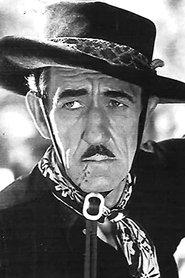
Earl Dwire
Actor
Born: October 21, 1883 in San Francisco, California, USA Died: January 16, 1940 Active: 1933-1938 Birth Name: Earl Dean Dwire
Films
11 films

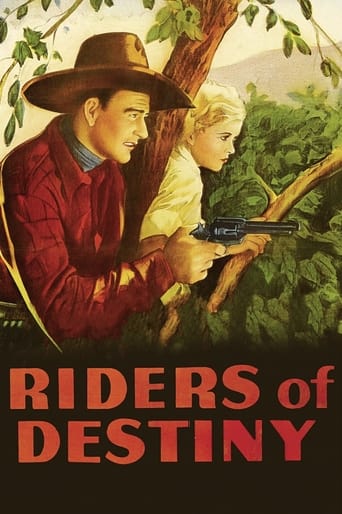
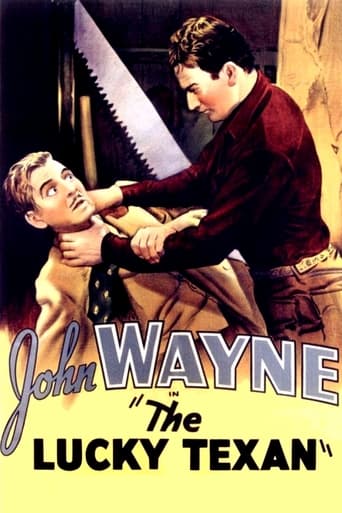

About Earl Dwire
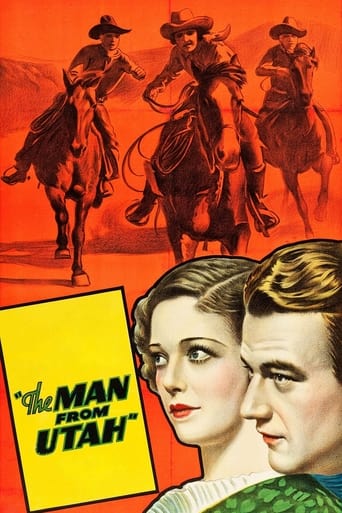
Prolific American character actor who became a familiar face in Hollywood Westerns during the 1930s. Born in the late 19th century, Dwire began his film career in the early sound era and quickly established himself as a reliable supporting actor, particularly in the Western genre. Earl appears in over 150 films between 1933 and 1938, working extensively with low-budget production companies like Monogram Pictures and Lone Star Productions. Dwire became particularly well-known for his frequent collaborations with a young John Wayne, appearing in numerous early Wayne Westerns that helped establish the future star's career. His distinctive appearance, often playing villains, authority figures, or town elders, made him a recognizable presence in B-movie Westerns of the era. Despite his extensive filmography, Dwire remained a character actor throughout his career, never achieving leading man status but becoming an essential part of the Hollywood Western landscape. His career was cut short by his untimely death in 1940, but his contributions to the genre can be seen in dozens of classic Western films that continue to be studied and appreciated by film historians.
The Craft
On Screen
Dwire specialized in portraying authority figures, villains, and town elders with a commanding presence. His acting style was typical of the period - direct, theatrical, and designed for clear characterization in quickly produced B-movies. He had a distinctive look with a stern face and authoritative demeanor that made him perfect for playing sheriffs, land barons, and other figures of power in Western narratives. Despite the limited screen time typical of supporting roles, Dwire managed to create memorable characters through his physical presence and delivery of dialogue.
Milestones
- First film appearance in Riders of Destiny (1933)
- Frequent collaborator with John Wayne in early Westerns
- Appeared in over 150 films in just 5 years
- Became recognizable villain in B-Western genre
- Worked with director Robert N. Bradbury on multiple films
Best Known For
Iconic Roles
Must-See Films
Working Relationships
Worked Often With
Studios
Why They Matter
Impact on Culture
Earl Dwire represents the essential character actors who formed the backbone of Hollywood's Golden Age Western productions. While never a star, his consistent presence in dozens of films helped create the visual and narrative language of the American Western. His work with a young John Wayne contributed to the development of Wayne's screen persona and the archetypal Western hero. Dwire's portrayals of villains and authority figures helped establish the character tropes that would define the genre for decades. His filmography serves as a valuable record of the B-Western production system that dominated Hollywood's output during the 1930s.
Lasting Legacy
Earl Dwire's legacy lives on through the extensive catalog of Western films in which he appeared, many of which have become classics of the genre. Film historians and Western enthusiasts recognize him as. His work provides valuable insight into the studio system and the importance of reliable supporting players in creating successful films. The preservation and continued study of his films ensure that his contributions to cinema history are not forgotten, even though his name never achieved household recognition.
Who They Inspired
While Dwire did not directly mentor other actors in a formal capacity, his consistent work ethic and versatility as a character actor set an example for future generations of supporting players. His ability to create distinct characters within the constraints of B-movie production demonstrated the importance of character actors in elevating genre films. His frequent collaborations with rising stars like John Wayne showed how effective character actors could contribute to the development of leading performers' careers.
Off Screen
Earl Dwire was married to actress and fellow Western performer Virginia True Boardman, with whom he frequently appeared in films. The couple had one child together. Dwire's personal life was relatively private compared to his prolific public career in film. His sudden death in 1940 at the age of 56 cut short a career that was still very active in the Hollywood studio system.
Family
- Virginia True Boardman (1925-1940)
Did You Know?
- Appeared in over 150 films in just 5 years of active work
- Worked with John Wayne in at least 15 films
- Often played villains or antagonists in Westerns
- His wife Virginia True Boardman was also a frequent actress in Westerns
- Died suddenly at age 56, ending a prolific career
- Never received on-screen credit in many of his early films
- Worked extensively with director Robert N. Bradbury
- Was part of the stock company of actors at Lone Star Productions
- His son Duke also worked in the film industry
- Appeared in both silent and sound films, though primarily known for talkies
In Their Own Words
(As a villain in numerous Westerns) 'This town ain't big enough for the both of us!'
(As a sheriff character) 'I'm the law here, and you'll do as I say!'
Frequently Asked Questions
Who was Earl Dwire?
Screen credits include over 150 films between 1933 and 1938, primarily in Western movies. He became well-known for his frequent collaborations with John Wayne in early Western films and for playing villains, sheriffs, and authority figures in B-movie Westerns of the 1930s.
What films is Earl Dwire best known for?
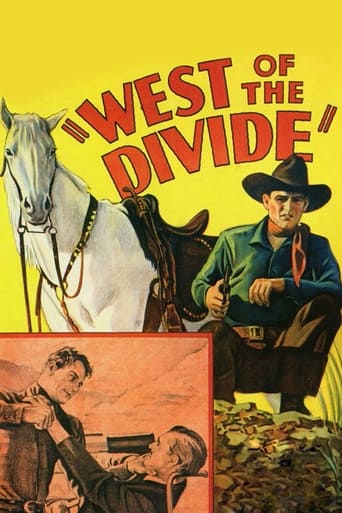
Titles linked here include Riders of Destiny (1933), West of the Divide (1934).
When was Earl Dwire born and when did he die?
Born October 21, 1883; died January 16, 1940.
What awards did Earl Dwire win?
Earl Dwire did not receive any major awards or nominations during his career. As a character actor in B-movies during the 1930s, he worked primarily in the studio system where supporting actors rarely received formal recognition for their contributions.
What was Earl Dwire's acting style?
Dwire specialized in portraying authority figures and villains with a commanding presence and stern demeanor. His acting style was direct and theatrical, typical of the period, designed for clear characterization in quickly produced B-Westerns. He created memorable characters through his physical presence and distinctive appearance.
Did Earl Dwire work with any famous directors?
Yes, Dwire worked extensively with director Robert N. Bradbury, who directed many of the early John Wayne Westerns in which Dwire appeared. Bradbury was a prolific director of Westerns during the 1930s and their collaboration resulted in numerous films together.
Was Earl Dwire married?
Yes, Earl Dwire was married to actress Virginia True Boardman from 1925 until his death in 1940. Boardman was also a frequent performer in Western films, and the couple often appeared together in movies. They had one son named Duke Dwire.