
Under Western Stars
"All for in"
Keys: Space play/pause · ←/→ 10s · F fullscreen · M mute · </> speed
About this film
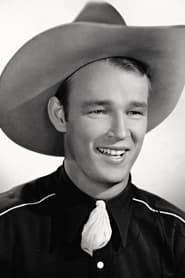
Far from pre-war life, in his starring debut, Roy gets elected to Congress in order to bring water to the ranchers in his district. In Washington, he learns he needs the backing of a key congressman and gets that man to go west for an inspection trip. When the congressman is initially unimpressed, Roy
Cast & crew
More Western films
View all →

More about this film
About the production
Release dateApril 20, 1938
BudgetApproximately $75,000 (typical Republic Pictures B-western budget of the era)
Box officeVery successful for a Republic Pictures release, helping establish Roy Rogers as a major star. Exact figures not available but it was highly profitable and led to Rogers' long-term contract.
ProductionRepublic Pictures Corporation
Filmed inRepublic Studios, Hollywood, California, Iverson Ranch, Chatsworth, California, Corriganville, Simi Valley, California
This was Roy Rogers' first starring film after appearing in supporting roles in other Republic westerns. The film was originally titled 'Man of the Frontier' but was changed to 'Under Western Stars' to emphasize Rogers' singing cowboy persona. Republic Pictures invested heavily in promoting this film, recognizing Rogers' potential as their next big western star after Gene Autry's contract disputes. The production utilized Republic's efficient assembly-line approach to filmmaking, completing the movie in just 12 days of shooting.
Themes
Government intervention and New Deal politicsCommunity cooperation and civic responsibilityMan versus nature (the drought)Political corruption and reformWestern values meeting modern governance
Themes & topics
Historical background
The 1938 premiere of Under Western Stars coincided with broader shifts in pre-war culture, from technology to social norms. Written by Dorrell McGowan, Stuart E. McGowan, and Betty Burbridge, the film is about a populist singing cowboy who decides to run for Congress in order to seek federal assistance to help small ranchers regain their water rights during the Dust Bowl of the 1930s.
Why this film matters
Under Western Stars has outlived its original run as a document of pre-war popular entertainment and craft.
Making of
The production of 'Under Western Stars' came at a crucial time for Republic Pictures, as the studio was in dispute with their biggest star, Gene Autry. Studio head Herbert Yates saw potential in Roy Rogers, who had been appearing in small roles and as Autry's double. The film was rushed into production to capitalize on Autry's absence. Rogers, whose real name was Leonard Slye, was nervous about his first leading role but impressed director Joseph Kane with his natural screen presence and singing ability. The film's political elements were added to make it stand out from typical westerns, with writers Barry Barringer and Betty Burbridge incorporating contemporary concerns about New Deal programs and government intervention in western water issues. The desert scenes were filmed at Iverson Ranch, a popular location for westerns, where the cast and crew endured real heat and dust conditions to authenticate the drought setting. Rogers' horse Trigger, who would become his famous co-star, was not yet his regular mount but appeared in the film, beginning their partnership.
What critics said
Re-evaluation in film journals has kept Under Western Stars in circulation among enthusiasts who track pre-war releases.
Did you know?
- This was Roy Rogers' first starring role and the film that launched him to stardom, earning him the nickname 'King of the Cowboys'
- The film's success led to Roy Rogers signing a long-term contract with Republic Pictures for $125 per week, a significant increase from his previous salary
- Roy Rogers performed several songs in the film, including 'Dusty Trails' and 'I'm a Natural Born Cowboy', establishing his singing cowboy image
- The film was released during a period when Gene Autry was temporarily suspended by Republic Pictures over contract disputes, allowing Rogers to step into the spotlight
- The water rights theme reflected real issues affecting western ranchers during the Dust Bowl and Great Depression era
- Republic Pictures used the same basic plot formula in several later Roy Rogers films, but this original version was considered the most successful
- The film's title was changed from 'Man of the Frontier' to better capitalize on Rogers' growing popularity as a singing cowboy
- Guy Usher, who played the congressman, was a prolific character actor who appeared in over 200 films during his career
- The movie was so successful that Republic immediately began planning Rogers' next starring vehicle, 'A Western Civil War'
- The film's political theme of a cowboy going to Washington was unusual for westerns of the period and helped distinguish it from typical singing cowboy fare
Awards & recognition
- No major awards were given to this film, as it was considered a B-western by the Academy and major film organizations
Visual style
The cinematography, handled by Republic Pictures regular William Bradford, utilized the studio's efficient approach to visual storytelling while creating effective western imagery. The film employed natural lighting for the extensive outdoor sequences, particularly the desert scenes that were crucial to the plot. Bradford made effective use of the California locations, particularly the Iverson Ranch's distinctive rock formations, to create an authentic western atmosphere without expensive location shooting. The camera work during the musical numbers followed the standard approach of the period, with medium shots that kept both Rogers and his co-stars in frame while emphasizing the performance aspects. The drought-stricken landscape was effectively conveyed through wide shots that emphasized the barren terrain and through careful composition that highlighted the absence of water. The Washington D.C. sequences used studio sets and backdrops, but Bradford managed to create a sense of contrast between the political world and the western setting through different lighting techniques and camera angles. The action sequences, while modest by later standards, were shot with clarity and energy that served the story effectively.
Innovations
While 'Under Western Stars' was not a groundbreaking technical film, it demonstrated Republic Pictures' mastery of efficient B-movie production techniques. The film was completed in just 12 days of shooting, utilizing the studio's assembly-line approach to filmmaking that maximized productivity while maintaining acceptable quality standards. The production team effectively blended location shooting with studio work, creating a convincing western setting without the expense of extensive location filming. The sound recording successfully captured both dialogue and musical numbers, a technical challenge for lower-budget productions of the era. The film's editing, handled by Robert M. Crandall, maintained good pacing throughout its 68-minute runtime, effectively balancing action, drama, and musical elements. Republic's use of standing sets and stock footage helped keep costs down while maintaining visual variety. The film's technical competence in delivering an entertaining product on a modest budget was itself an achievement that contributed to Republic's reputation as one of Hollywood's most efficient producers of genre films.
Music
The film's soundtrack was typical of Republic Pictures' singing cowboy productions, featuring several musical numbers performed by Roy Rogers that helped establish his musical persona. The songs included 'Dusty Trails,' 'I'm a Natural Born Cowboy,' and 'Under Western Stars,' with music composed by Republic staff composers and lyrics by various songwriters. The musical numbers were integrated into the narrative rather than serving as mere interruptions, with Rogers often singing to express his character's emotions or to advance the plot. The score, conducted by Republic's musical director, utilized standard western musical motifs while incorporating contemporary popular music elements that appealed to 1930s audiences. The sound quality was typical of Republic's productions of the era, with clear dialogue recording and balanced musical accompaniment. The film's title song, 'Under Western Stars,' became one of Rogers' signature tunes and was featured in several of his subsequent films. The soundtrack was released on 78 rpm records by various labels, capitalizing on Rogers' growing popularity as a recording artist as well as a film star.
Famous quotes
A man's got to stand up for what's right, even if it means going to Washington to do it.
Water isn't just about thirst, congressman. It's about life itself out here in the west.
Sometimes you have to show city folks what the real west is like - up close and personal.
I may be just a cowboy, but I know what's right for my people, and I'm not afraid to fight for it.
Memorable scenes
- The dramatic desert sequence where Roy Rogers strands the congressman and his inspection party without water, forcing them to experience the true hardship of the drought and convincingly demonstrating the urgency of the water project.
- Roy's musical performance of 'Under Western Stars' around the campfire, establishing his singing cowboy persona and providing emotional resonance to the ranchers' struggle.
- The congressional floor scene where Roy delivers his passionate speech about western water rights, showcasing his character's growth from cowboy to political advocate.
- The final celebration scene where the water project is approved, bringing together the entire community in a joyous musical number that resolves the film's central conflict.
What audiences thought
Audience reception was overwhelmingly positive, with the film performing well at the box office and establishing Roy Rogers as a major star. Moviegoers responded enthusiastically to Rogers' combination of singing, action, and wholesome heroism, leading to packed theaters in both urban and rural areas. The film's success was particularly notable in smaller towns and western states, where its themes of water rights and ranchers' struggles resonated with local audiences. Fan mail to Republic Pictures increased dramatically after the film's release, with many viewers requesting more Roy Rogers movies. The positive audience response convinced Republic Pictures to invest heavily in promoting Rogers as their new western star, leading to a long and profitable partnership. The film's popularity extended beyond its initial theatrical run, with successful re-releases throughout the 1940s. Contemporary audience polls consistently ranked Rogers among the most popular western stars following this film's success, demonstrating its lasting impact on public perception of the actor.
Film connections
Influenced by
- Gene Autry films (as the template for singing cowboy movies)
- New Deal-era political films
- Traditional western films of the 1930s
- Hollywood musicals of the period
- Socially conscious films of the Depression era
This film influenced
- Subsequent Roy Rogers films at Republic Pictures
- Other singing cowboy films of the late 1930s and 1940s
- Western films with political themes
- Republic Pictures' B-western production model
Film restoration
The film is preserved in the Republic Pictures library, now owned by Paramount Pictures. While not officially listed on the National Film Registry, it has survived in good condition with complete prints available. The film has been digitally restored as part of various Roy Rogers collections released on home video. No significant footage is known to be lost, and both picture and sound elements remain intact. The film entered the public domain in some territories due to copyright renewal issues, which has actually helped its preservation through multiple distribution channels.
Where to watch
- Available on DVD as part of 'The Roy Rogers Collection' from Universal Studios
- Streaming on Amazon Prime Video (as part of various western collections)
- Available on YouTube through public domain uploads
- Included in the Warner Archive streaming service
- Available on various classic movie streaming platforms
- Occasionally broadcast on Turner Classic Movies (TCM)
- Available for digital purchase on iTunes and Google Play