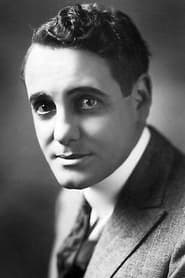
Tom Chatterton
Actor
Born: February 12, 1881 in Geneva, New York, USA Died: October 16, 1962 Active: 1913-1947 Birth Name: Thomas J. Chatterton
Films
1 film
About Tom Chatterton
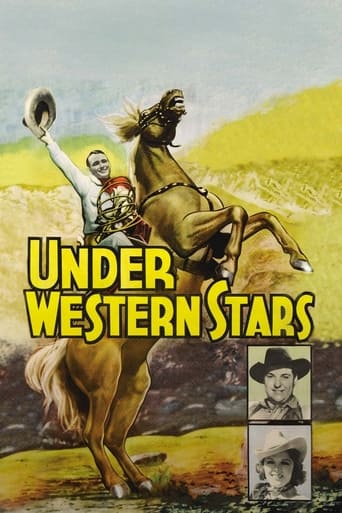
Thomas J. Chatterton — American character actor whose over three decades, from the silent film era through the Golden Age of Hollywood. Born in Geneva, New York in 1881, he began his film career in 1913 during the early days of American cinema, appearing in numerous silent shorts and features for various studios. Chatterton successfully transitioned to sound films in the late 1920s, showcasing his versatility as a reliable supporting actor in westerns, dramas, and adventure films. Throughout the 1930s and 1940s, he appeared in over 200 films, often portraying authority figures, villains, or concerned fathers in B-movies and major studio productions. His performance in Roy Rogers' 'Under Western Stars' (1938) was one of many western roles he undertook during this period. Chatterton continued working steadily through World War II, contributing to the war effort through his film appearances, before retiring from acting in 1947. He spent his final years in Hollywood, passing away in 1962 at the age of 81, leaving behind a substantial body of work that exemplified the journeyman actor's contribution to classic American cinema.
The Craft
On Screen
Chatterton was known as a reliable character actor who brought gravitas and authenticity to his supporting roles. He specialized in portraying authority figures such as sheriffs, judges, military officers, and concerned fathers. His acting style was straightforward and naturalistic, fitting seamlessly into both dramatic and genre films. He had a commanding presence that made him particularly effective in westerns, where he often played lawmen or ranch owners. Chatterton's experience in silent films gave him a strong command of physical expression, which he carried into his sound work, making him effective even with limited dialogue.
Milestones
- Film debut in silent shorts (1913)
- Successful transition to talkies (1928)
- Appeared in over 200 films
- Prolific western film actor in the 1930s-40s
- Worked with major studios including Universal, Paramount, and Republic Pictures
Best Known For
Iconic Roles
Must-See Films
Working Relationships
Worked Often With
Studios
Why They Matter
Impact on Culture
Tom Chatterton represents the essential character actors who formed the backbone of Hollywood's studio system. His contributions to the western genre helped establish many of the archetypal characters that would define American western cinema. Through his numerous appearances in B-westerns and major productions, Chatterton helped create the visual language of the American West on screen, providing authentic supporting performances that anchored the narratives of bigger stars. His work during Hollywood's Golden Age exemplifies how journeyman actors contributed to the cultural mythology of the American West, shaping generations' understanding of frontier life and values.
Lasting Legacy
Tom Chatterton's legacy lies in his vast body of work that spans the evolution of American cinema from silent films to the Golden Age. As a character actor who appeared in over 200 films, he represents the unsung heroes of Hollywood's studio system—reliable performers who brought credibility and depth to supporting roles. His extensive filmography serves as a valuable resource for film historians studying the development of American cinema, particularly the western genre. Chatterton's career demonstrates the longevity possible for character actors who adapted to changing technologies and audience preferences, maintaining steady employment through multiple decades of film history.
Who They Inspired
While not a star who influenced acting techniques or methods, Tom Chatterton influenced the western genre through his consistent portrayal of authority figures and supporting characters. His work helped establish the visual and narrative conventions of B-westerns that would dominate American screens in the 1930s and 1940s. Younger actors entering the western genre would have observed his professional approach to character work, learning how to effectively support leading stars while maintaining their own screen presence. His longevity in the industry served as a model for character actors seeking sustainable careers in Hollywood's competitive environment.
Off Screen
Thomas J. Chatterton was married to actress Edith Stockton, with whom he had one child. The couple resided in Hollywood during the height of his film career. Unlike many Hollywood actors of his era, Chatterton maintained a relatively private personal life, focusing primarily on his craft rather than seeking celebrity status. His marriage to Stockton, who was also a working actress, provided him with a stable family life throughout his years in the film industry.
Education
Limited information available about his formal education, typical of actors of his generation who often entered the film industry through theater or direct recruitment
Family
- Edith Stockton (married until his death in 1962)
Did You Know?
- Appeared in over 200 films during his 34-year career
- Successfully transitioned from silent films to talkies
- Often played lawmen and authority figures in westerns
- Worked with virtually every major western star of his era
- His active years covered from the early silent era through the Golden Age of Hollywood
- Was a favorite character actor at Republic Pictures
- Appeared in multiple serial films in the 1930s
- Often without on-screen billing in his early film roles
- Continued working through World War II, appearing in patriotic films
- Retired from acting in 1947, well before his death in 1962
In Their Own Words
(No documented famous quotes - typical of character actors of his era)
Frequently Asked Questions
Who was Tom Chatterton?
Screen credits include over 200 films from 1913 to 1947, specializing in westerns and supporting roles. He successfully transitioned from silent films to talkies and became known for portraying authority figures in Hollywood's Golden Age westerns.
What films is Tom Chatterton best known for?
Titles linked here include Under Western Stars (1938), The Great Train Robbery (1941).
When was Tom Chatterton born and when did he die?
Born February 12, 1881; died October 16, 1962.
What awards did Tom Chatterton win?
Tom Chatterton did not receive major awards or nominations during his career, which was typical of character actors during Hollywood's Golden Age. His recognition came through steady employment and respect from his peers in the industry.
What was Tom Chatterton's acting style?
Chatterton was known for his straightforward, naturalistic acting style that brought authenticity to his supporting roles. He specialized in portraying authority figures like sheriffs and military officers, with a commanding presence that made him particularly effective in westerns and dramas.