Joseph Kane
Director
Born: March 19, 1894 in San Diego, California, United States Died: August 25, 1975 Active: 1934-1966 Birth Name: Joseph Patrick Kane
Films
1 film
About Joseph Kane
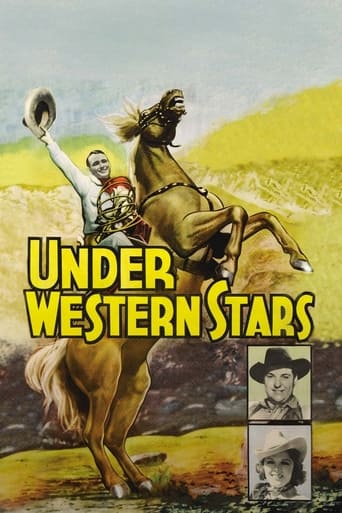
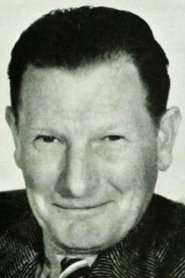
Prolific American film director and producer who became figures in the Western genre during Hollywood's Golden Age. Beginning his career as a film editor in the 1920s, Kane transitioned to directing in the early 1930s and quickly established himself as a reliable craftsman at Republic Pictures. He directed over 130 films between 1934 and 1966, becoming the studio's primary director for Western productions. Kane was instrumental in launching the careers of several Western stars, most notably Roy Rogers, whose debut starring role came in Kane's 'Under Western Stars' (1938). His efficient directing style allowed Republic to produce high-quality films on tight schedules and budgets, making him an invaluable asset to the studio. Throughout his career, Kane worked with virtually every major Western star of the era, including Gene Autry, John Wayne, and Randolph Scott. His films were characterized by their straightforward storytelling, dynamic action sequences, and authentic Western atmosphere. Kane retired from filmmaking in the mid-1960s, leaving behind an extensive catalog that helped define the B-Western genre for generations.
The Craft
Behind the Camera
Joseph Kane was known for his efficient, no-nonsense directing style that emphasized clear storytelling, dynamic action sequences, and tight pacing. He had a remarkable ability to complete films quickly and on budget without sacrificing quality, making him invaluable to Republic Pictures' production model. Kane's visual approach emphasized wide shots of Western landscapes, well-choreographed action scenes, and straightforward camera work that served the narrative rather than drawing attention to itself. He was particularly skilled at staging gunfights, chase sequences, and horse stunts that became hallmarks of the Western genre. His direction prioritized clarity and momentum, ensuring that even his B-movie productions maintained professional polish and audience engagement.
Milestones
- Directed Roy Rogers' first starring role in 'Under Western Stars' (1938)
- Directed over 130 films during his 32-year career
- Became Republic Pictures' primary Western director
- Helped establish the B-Western formula
- Worked with virtually every major Western star of his era
- Transitioned successfully from film editor to director
- Directed the television series 'The Adventures of Wild Bill Hickok'
Best Known For
Must-See Films
Accolades
Special Recognition
- Golden Boot Award (posthumously, for contributions to Western cinema)
Working Relationships
Worked Often With
Studios
Why They Matter
Impact on Culture
Joseph Kane played a crucial role in shaping American popular culture through his extensive work in the Western genre. During the 1930s and 1940s, his films were among the most reliable entertainment for American audiences, particularly in rural areas where Westerns were especially popular. His collaboration with Roy Rogers helped create. Kane's efficient production methods at Republic Pictures established a template for B-movie filmmaking that would influence Hollywood's approach to budget-conscious productions for decades. His films helped codify many Western tropes and conventions that would become genre standards, from the singing cowboy to the clear-cut morality plays between heroes and villains. The visual language and narrative structures he employed in his Westerns would influence countless filmmakers who followed, from television Western directors to modern filmmakers paying homage to classic Western cinema.
Lasting Legacy
Joseph Kane's legacy in cinema history is primarily defined by his extraordinary productivity and his role in establishing the B-Western as a commercially viable and culturally significant genre. With over 130 directing credits, he ranks among the most prolific directors in Hollywood history, yet his work has often been overlooked by film scholars in favor of more 'prestigious' auteurs. However, recent reappraisals of genre cinema have recognized Kane's craftsmanship and his importance in shaping the Western's golden age. His films continue to be studied for their efficient storytelling and their role in creating the mythos of the American West. Kane's influence extends to television Westerns of the 1950s and 1960s, which adopted many of the narrative and visual conventions he helped establish. Today, his work is preserved by film archives and occasionally screened at classic film festivals, where new audiences discover the craftsmanship and entertainment value that made his films so popular during their original releases.
Who They Inspired
Joseph Kane influenced generations of filmmakers through his mastery of efficient, audience-pleasing genre filmmaking. His work with Republic Pictures established production methods that would be studied by producers and directors working within studio systems for decades. Directors like John Ford and Howard Hawks, though working on larger budgets, acknowledged the effectiveness of Kane's straightforward approach to Western storytelling. His influence can be seen in the work of later television Western directors such as Earl Bellamy and William Witney, who learned from Kane's methods of staging action and maintaining narrative momentum. Modern directors who have worked in the Western genre, from Clint Eastwood to the Coen Brothers, have indirectly benefited from the genre conventions and visual language that Kane helped codify. His emphasis on clear storytelling and efficient production continues to serve as a model for filmmakers working within genre cinema, particularly those operating under budget constraints.
Off Screen
Joseph Kane maintained a relatively private personal life throughout his decades in Hollywood. He married twice during his lifetime, first to actress and screenwriter Doris Dawson in 1931, though the marriage ended in divorce. His second marriage to actress and singer Virginia Bruce lasted from 1946 until her death in 1982. Despite his prolific career, Kane rarely gave interviews or sought the spotlight, preferring to let his work speak for itself. He was known among colleagues as a professional, reliable director who treated cast and crew with respect. Kane passed away in Santa Monica, California, at the age of 81, leaving behind a legacy of over 130 films that helped define the Western genre for mid-20th century audiences.
Education
Attended San Diego State University before moving to Los Angeles to pursue a career in the film industry
Family
- Doris Dawson (1931-1934)
- Virginia Bruce (1946-1982)
Did You Know?
- Directed over 130 films in his 32-year career, averaging more than four films per year
- Was primarily responsible for launching Roy Rogers' film career with 'Under Western Stars'
- Started his career as a film editor before transitioning to directing
- Often worked with the same crew members, creating a efficient production team
- His films were known for being completed on time and under budget
- Directed both Gene Autry and Roy Rogers, the two biggest singing cowboy stars
- Sometimes used the pseudonym 'William Shea' for early directing credits
- Was one of Republic Pictures' most valuable directors during the studio's golden age
- His films typically featured elaborate musical numbers despite their B-movie status
- Helped establish many of the visual conventions that would define the Western genre
- Retired from directing just as the traditional Hollywood Western was declining in popularity
In Their Own Words
I don't make art, I make entertainment that people will pay to see
A Western should have three things: action, music, and a hero worth rooting for
The secret to making good Westerns on a budget is knowing where to spend and where to save
Roy Rogers had star quality the moment he stepped in front of the camera
Republic Pictures gave me the freedom to make the films I wanted, as long as they made money
Frequently Asked Questions
Who was Joseph Kane?
Prolific American on YTB.my. He directed over 130 films between 1934 and 1966, primarily for Republic Pictures, and was instrumental in launching the careers of Western stars like Roy Rogers.
What films is Joseph Kane best known for?
Titles linked here include Under Western Stars (1938), In Old Cheyenne (1941).
When was Joseph Kane born and when did he die?
Born March 19, 1894; died August 25, 1975.
What awards did Joseph Kane win?
While Joseph Kane did not receive major industry awards during his lifetime, he was posthumously honored with a Golden Boot Award for his significant contributions to Western cinema. His recognition came more from his commercial success and influence on the genre rather than critical awards.
What was Joseph Kane's directing style?
Kane was known for his efficient, straightforward directing style that emphasized clear storytelling and dynamic action sequences. He excelled at completing films quickly and on budget while maintaining professional quality, making him invaluable to Republic Pictures' production model and helping establish the B-Western formula.