Roy Rogers
Actor
Born: November 5, 1911 in Cincinnati, Ohio, USA Died: July 6, 1998 Active: 1935-1980s Birth Name: Leonard Franklin Slye
Films
2 films
About Roy Rogers
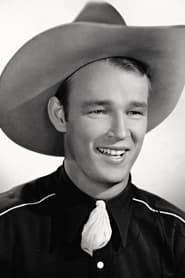
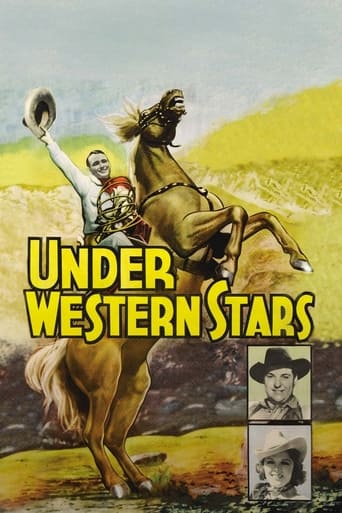
Roy Rogers, born Leonard Franklin Slye, was beloved and influential Western stars in Hollywood history, earning the title 'King of the Cowboys.' Born in Cincinnati, Ohio, his family moved to California during the Great Depression, where he began his entertainment career as a musician with groups like the Sons of the Pioneers. His breakthrough came in 1937 when Republic Pictures signed him as a contract player, and he adopted the name Roy Rogers for his film debut in 'Under Western Stars' (1938). Throughout the 1940s and 1950s, he starred in over 100 films, establishing himself as the quintessential singing cowboy with his golden palomino Trigger and trusty dog Bullet. His on-screen persona was always the clean-cut, morally upright hero who fought for justice, sang songs, and rode off into the sunset with his trusty companions. In 1947, he married actress Dale Evans, and together they became one of Hollywood's most couples, co-starring in numerous films and later the hit television series 'The Roy Rogers Show' (1951-1957). Beyond his entertainment career, Rogers became a successful entrepreneur with restaurants, merchandise lines, and even a museum dedicated to Western heritage. His influence extended far beyond cinema, making him a cultural icon who represented the American ideal of courage, integrity, and the spirit throughout his career and beyond his death in 1998.
The Craft
On Screen
Roy Rogers developed a distinctive acting style characterized by his clean-cut, wholesome persona that embodied the ideal American cowboy. His approach was natural and straightforward, never requiring complex method acting techniques but relying on genuine warmth, sincerity, and an innate sense of heroism. Rogers' performances were marked by his ability to convey moral certainty and unwavering integrity, making his characters instantly relatable to audiences seeking escape and inspiration during turbulent times. His singing voice became an integral part of his acting style, with musical numbers seamlessly woven into his films to advance the narrative and express his character's emotions. Unlike many Western actors of his era, Rogers avoided portraying anti-heroes or morally ambiguous characters, instead maintaining a consistent image of the noble cowboy who always chose right over wrong. His physical presence, combined with his horsemanship skills and natural chemistry with both human and animal co-stars, created a complete package that defined the singing cowboy genre for generations.
Milestones
- Signed with Republic Pictures in 1937 and adopted the name Roy Rogers
- Starred in breakthrough film 'Under Western Stars' (1938)
- Became Republic Pictures' biggest star and highest-paid actor in the 1940s
- Received his own comic book series starting in 1944
- Married Dale Evans in 1947, forming Hollywood's legendary Western couple
- Starred in hit television series 'The Roy Rogers Show' (1951-1957)
- Inducted into the Country Music Hall of Fame in 1980 as part of the Sons of the Pioneers
- Received a star on the Hollywood Walk of Fame in 1960
Best Known For
Iconic Roles
Must-See Films
Accolades
Won
- Golden Boot Award (1983)
- Western Heritage Awards (multiple)
- Academy of Country Music Pioneer Award (1990)
- Country Music Hall of Fame induction (1980, with Sons of the Pioneers)
- National Cowboy & Western Heritage Museum Hall of Fame (1976)
Nominated
- Academy Award nomination for Best Original Song for 'A Cowboy and His Horse' (though this nomination is disputed in historical records)
- Emmy Award nominations for 'The Roy Rogers Show' (1952-1954)
Special Recognition
- Hollywood Walk of Fame star (1960)
- Country Music Hall of Fame (1980)
- National Cowboy & Western Heritage Museum Hall of Fame (1976)
- Western Performers Hall of Fame (1975)
- Cowboy Hall of Fame (1972)
- Roy Rogers-Dale Evans Museum (established in their honor)
- Multiple U.S. Postage stamps featuring his image
- Grand Marshal of numerous parades and rodeos nationwide
Working Relationships
Worked Often With
Studios
Why They Matter
Impact on Culture
Roy Rogers transcended mere stardom to become a cultural phenomenon that defined American entertainment for decades. His influence extended far beyond cinema into television, music, merchandise, and the very concept of the American cowboy as a moral exemplar. During World War II and the post-war era, Rogers represented the ideal American hero - brave, patriotic, and morally unambiguous - providing audiences with escapism and inspiration during turbulent times. His clean-cut image and family-friendly content made him one of the first multimedia stars, with his likeness appearing on comic books, lunch boxes, toys, clothing, and even food products. Rogers helped establish the singing cowboy as a legitimate genre, bridging the gap between country music and Hollywood entertainment. His television show 'The Roy Rogers Show' became one of the first successful Western series on television, paving the way for countless shows that followed. Rogers also played a significant role in popularizing Western culture and values internationally, becoming one of America's most recognizable cultural ambassadors during the Cold War era.
Lasting Legacy
Roy Rogers' legacy endures as. His impact on entertainment is immeasurable, having established the template for the singing cowboy that influenced generations of performers. Rogers' emphasis on family values, patriotism, and moral clarity created a lasting standard for family entertainment that continues to influence media today. The Roy Rogers-Dale Evans brand became one of the earliest examples of celebrity merchandising, demonstrating how entertainment personalities could build lasting commercial empires. His museum, now relocated to Branson, Missouri, continues to preserve and celebrate Western heritage for new generations. Rogers' induction into multiple halls of fame, including the Country Music Hall of Fame and Western Performers Hall of Fame, cements his status as a cultural icon. Perhaps most importantly, Rogers' legacy includes the millions of children who grew up watching his films and television shows, absorbing his messages of courage, integrity, and kindness that helped shape American values during the mid-20th century.
Who They Inspired
Roy Rogers influenced countless entertainers across multiple genres, from country music artists to television Western stars. His success as the singing cowboy paved the way for performers like Gene Autry (who actually preceded him), Rex Allen, and later television Western stars such as Clint Walker and James Garner. Rogers' ability to seamlessly blend music with narrative influenced later musical entertainers including Elvis Presley, who cited Rogers as an early influence. His clean-cut image and family-friendly approach to entertainment became a model for later family entertainment franchises, from Disney to modern children's programming. In the country music world, Rogers' crossover success demonstrated the commercial potential of country music in mainstream entertainment, influencing artists like Johnny Cash and Willie Nelson who later achieved similar multimedia success. His business acumen in personal branding and merchandising anticipated the modern celebrity entrepreneur model, influencing stars from Michael Jordan to Dwayne Johnson. Rogers' representation of American values and the cowboy ideal influenced political leaders and cultural commentators who used Western imagery to promote American ideals both domestically and internationally.
Off Screen
Roy Rogers' personal life was marked by both triumph and tragedy, reflecting the dramatic narratives of his films. He married three times: first to Lucile Ascolese (1933-1935), then to Grace Arline Wilkins (1936-1946, who died of complications from childbirth), and finally to Dale Evans (1947-1998), his legendary partner in both life and entertainment. Rogers fathered nine children, including his biological children and several adopted children, though he experienced profound loss when his daughter Cheryl was killed in a bus accident in 1964 and another daughter, Debbie, died in a church bus accident in 1964. Despite these tragedies, Rogers maintained his public persona of optimism and faith, becoming a devout Christian with Dale Evans. The couple lived on their Happy Valley Ranch in Apple Valley, California, where they raised their family and established their museum. Rogers was known for his business acumen, investing in real estate, restaurants (Roy Rogers Restaurants), and various merchandise ventures that made him one of the wealthiest stars of his era. His personal philosophy emphasized family values, patriotism, and Christian faith, which he consistently promoted throughout his public life.
Education
Limited formal education due to family's financial struggles during the Great Depression; attended school in Cincinnati and briefly in California but left to help support his family; largely self-taught in music and entertainment skills
Family
- Lucile Ascolese (1933-1935)
- Grace Arline Wilkins (1936-1946)
- Dale Evans (1947-1998)
Did You Know?
- His horse Trigger was so popular that it received more fan mail than many human actors
- Trigger was stuffed and mounted after death and displayed at the Roy Rogers museum
- Roy Rogers Restaurants, a fast-food chain, was named after him though he had no ownership
- He was originally offered the role that made John Wayne famous in 'Stagecoach' (1939)
- His real name Leonard Slye was changed by Republic Pictures because it sounded too 'ethnic'
- He appeared in over 100 films and 100 television episodes during his career
- His signature song 'Happy Trails' was written by his wife Dale Evans
- He was a licensed pilot and owned several aircraft
- During WWII, he entertained troops extensively despite being exempt from military service due to his age
- His comic book series ran for over 20 years and sold millions of copies
- He was a Freemason and belonged to several Masonic lodges
- The phrase 'Roy Rogers' became slang for a non-alcoholic cocktail (ginger ale with grenadine and cherry)
- He and Dale Evans adopted several children, including some from Native American heritage
- His television show was one of the first to be filmed in color
- He was a successful real estate investor and owned significant property in California
In Their Own Words
Happy trails to you, until we meet again (signature closing from his TV show)
The cowboy is the hero of America. He stands for freedom, independence, and the courage to do what's right
I've always tried to live my life the way I portrayed it on screen - honest, clean, and decent
A man's word should be as good as his bond. That's what being a cowboy is all about
Faith in God and faith in your fellow man - that's what gets you through the tough times
Trigger and I were more than just horse and rider - we were partners in every sense of the word
The best thing about being a cowboy is that you always know who you are and what you stand for
Hollywood can make you a star, but only your character can make you a hero
Frequently Asked Questions
Who was Roy Rogers?
Roy Rogers, born Leonard Franklin Slye, was an American actor, singer, and Western star who became known as the 'King of the Cowboys.' He starred in over 100 films and hosted the popular television series 'The Roy Rogers Show' from 1951-1957, becoming.
What films is Roy Rogers best known for?
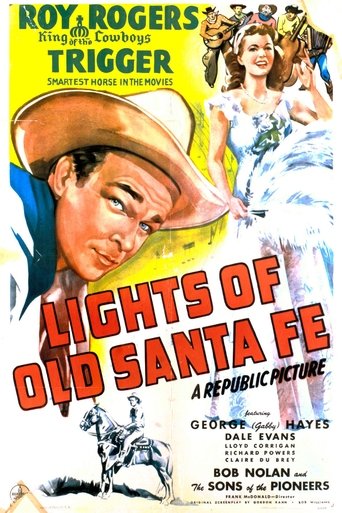
Titles linked here include Under Western Stars (1938), Lights of Old Santa Fe (1944).
When was Roy Rogers born and when did he die?
Born November 5, 1911; died July 6, 1998.
What awards did Roy Rogers win?
Roy Rogers received numerous honors including the Golden Boot Award (1983), induction into the Country Music Hall of Fame (1980), the National Cowboy & Western Heritage Museum Hall of Fame (1976), and a star on the Hollywood Walk of Fame (1960).
What was Roy Rogers' acting style?
Roy Rogers developed a distinctive acting style characterized by his clean-cut, wholesome persona that embodied the ideal American cowboy. His approach was natural and straightforward, relying on genuine warmth, sincerity, and an innate sense of heroism, with musical numbers seamlessly integrated into his performances.
Who was Roy Rogers married to?
Roy Rogers was married three times: to Lucile Ascolese (1933-1935), Grace Arline Wilkins (1936-1946), and most famously to Dale Evans (1947-1998), with whom he formed one of Hollywood's most iconic couples.
What was special about Roy Rogers' horse Trigger?
Trigger, Roy Rogers' golden palomino, was arguably as famous as Rogers himself, appearing in 81 films and receiving more fan mail than many human actors. After Trigger's death in 1965, the horse was taxidermically preserved and displayed at the Roy Rogers museum.
How did Roy Rogers influence American culture?
Roy Rogers profoundly influenced American culture by defining the singing cowboy archetype and promoting family values, patriotism, and moral clarity through his films and television shows. He became one of the first multimedia stars with extensive merchandising and helped popularize Western culture internationally during the mid-20th century.