
Smiley Burnette
Actor
Born: March 18, 1911 in Summum, Illinois, USA Died: February 16, 1967 Active: 1934-1967 Birth Name: Lester Alvin Burnette
Films
1 film
About Smiley Burnette
Beloved American character actor and musician who became recognizable sidekicks in Hollywood Western history. Beginning his career as a musician on local radio stations in Illinois, he moved to California and joined Gene Autry's show, eventually transitioning to film. His breakthrough came when he was cast as Autry's loyal sidekick Frog Millhouse in Republic Pictures' Westerns, a role that would define his career for over two decades. Burnette appeared in more than 200 films between 1934 and 1967, showcasing his musical talents by performing songs and playing multiple instruments including guitar, banjo, and accordion. His distinctive portly build, goofy expressions, and comedic timing made him a favorite among audiences of all ages. Beyond his work with Autry, he also appeared in the Hopalong Cassidy series and later transitioned to television, most notably as Charlie Pratt on the series 'Petticoat Junction' from 1963 until his death in 1967.
The Craft
On Screen
Burnette specialized in broad physical comedy and slapstick, often playing the lovable, bumbling sidekick who provided comic relief in otherwise serious Western narratives. His performances were characterized by exaggerated facial expressions, pratfalls, and a distinctive high-pitched voice that became his trademark. Despite the comedic nature of his roles, he brought genuine warmth and authenticity to his characters, making them memorable and endearing to audiences.
Milestones
- First film appearance in 'In Old Santa Fe' (1934)
- Became Gene Autry's regular sidekick at Republic Pictures (1935)
- Appeared in over 200 films during his career
- Transitioned to television with 'Petticoat Junction' (1963-1967)
- Recorded numerous country and western songs
- Received a star on the Hollywood Walk of Fame
Best Known For
Iconic Roles
Must-See Films
Accolades
Won
- Hollywood Walk of Fame Star (1960)
Special Recognition
- Inducted into the Western Performers Hall of Fame at the National Cowboy & Western Heritage Museum
- Gene Autry's regular musical collaborator and sidekick for over 20 years
Working Relationships
Worked Often With
Studios
Why They Matter
Impact on Culture
Smiley Burnette helped define the archetype of the Western sidekick in American cinema, creating a template that would be emulated for decades. His character of Frog Millhouse represented the everyman hero, providing audiences with a relatable figure amidst the larger-than-life cowboy protagonists. Burnette's integration of music and comedy in Western films contributed to the genre's evolution from purely action-oriented narratives to more entertaining, family-friendly productions. His work helped establish Republic Pictures as a major force in B-Western production and contributed significantly to the popularity of the singing cowboy phenomenon of the 1930s and 1940s.
Lasting Legacy
Smiley Burnette left an indelible mark on American popular culture through his extensive body of work in Western films and television. His portrayal of Frog Millhouse set the standard for Western sidekicks, influencing countless actors who followed in his footsteps. Beyond his film work, Burnette's musical contributions helped popularize country and western music among mainstream audiences. His transition to television with 'Petticoat Junction' demonstrated his versatility and enduring appeal across different media. Today, he is remembered as.
Who They Inspired
Burnette's comedic style influenced later Western sidekicks such as Gabby Hayes, Andy Devine, and Walter Brennan. His ability to seamlessly blend comedy with music in Western films paved the way for later musical Westerns and helped establish the genre as family entertainment. His work demonstrated the commercial viability of the sidekick character in Western narratives, leading studios to consistently include comic relief in their Western productions. Many later actors cited Burnette as an inspiration for their own work in comedic supporting roles.
Off Screen
Smiley Burnette married three times during his life. His first marriage was to Adele August in 1936, which ended in divorce. He then married Georgia Mae Spivey in 1939, with whom he had three children, but this marriage also ended in divorce. His final marriage was to Frances Virginia in 1954, who remained his wife until his death. Burnette was known for his generous nature and was well-liked by his co-stars and crew members. Despite his on-screen persona as a simple country bumpkin, he was actually quite intelligent and managed his finances wisely.
Education
Limited formal education; was largely self-taught in music and performance
Family
- Adele August (1936-1939)
- Georgia Mae Spivey (1939-1953)
- Frances Virginia (1954-1967)
Did You Know?
- Was nicknamed 'Smiley' because of his constant cheerful demeanor
- Could play over 100 musical instruments
- Wrote and composed many of the songs he performed in films
- Once worked as a coal miner and a professional baseball player
- His character Frog Millhouse was so popular that it spawned a comic book series
- Served as a pallbearer at Gene Autry's funeral
- Made his final film appearance in 'A Big Hand for the Little Lady' (1966)
- Was a close personal friend of Roy Rogers
- His son Larry Burnette also became an actor
- Recorded for several record labels including Decca and RCA Victor
In Their Own Words
Well, I'll be a monkey's uncle!
Hot diggety dog!
I'm just a simple country boy tryin' to make my way in this big ol' world
Music's in my blood, and comedy's in my bones
Frequently Asked Questions
Who was Smiley Burnette?
Prolific American with credits in this catalog. He appeared in more than 200 films throughout his career and later found television fame as Charlie Pratt on 'Petticoat Junction'.
What films is Smiley Burnette best known for?
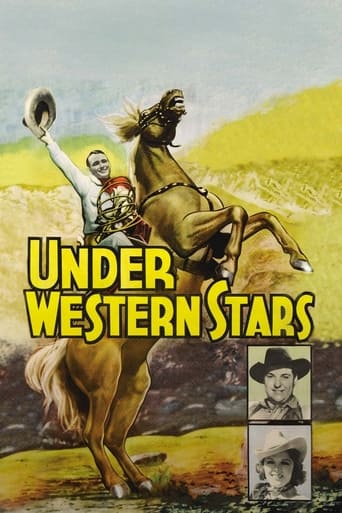
Titles linked here include Under Western Stars (1938), The Singing Cowboy (1936).
When was Smiley Burnette born and when did he die?
Born March 18, 1911; died February 16, 1967.
What awards did Smiley Burnette win?
While Smiley Burnette did not receive major acting awards during his lifetime, he was honored with a star on the Hollywood Walk of Fame in 1960. He was also posthumously inducted into the Western Performers Hall of Fame at the National Cowboy & Western Heritage Museum.
What was Smiley Burnette's acting style?
Burnette specialized in broad physical comedy and slapstick, playing lovable, bumbling characters who provided comic relief. His performances featured exaggerated facial expressions, pratfalls, and a distinctive high-pitched voice, all delivered with genuine warmth and authenticity that made his characters endearing to audiences.
Did Smiley Burnette really play musical instruments?
Yes, Smiley Burnette — highly talented musician who could reportedly play over 100 instruments including guitar, banjo, accordion, and piano. He wrote and composed many of the songs he performed in his films, contributing significantly to the musical appeal of the Westerns he appeared in.
How did Smiley Burnette get his nickname?
Burnette earned the nickname 'Smiley' early in his career due to his naturally cheerful disposition and constant smiling. The name stuck throughout his professional life and became his permanent stage name, though he was born Lester Alvin Burnette.
What was Smiley Burnette's final role?
Smiley Burnette's final acting role was as Charlie Pratt on the CBS television series 'Petticoat Junction.' He appeared in the show from 1963 until his death in 1967, with his final episodes airing posthumously. His last film appearance was in 'A Big Hand for the Little Lady' (1966).