

The Man from Utah
"Marshal sends John Weston to a rodeo to see if"
Keys: Space play/pause · ←/→ 10s · F fullscreen · M mute · </> speed
About this film
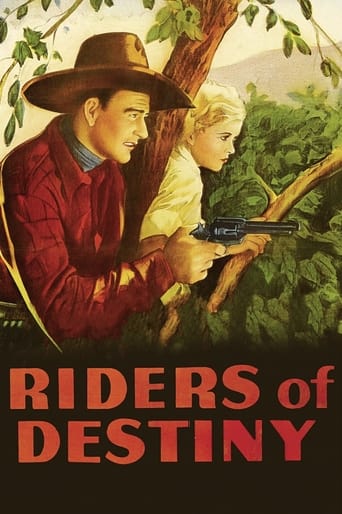
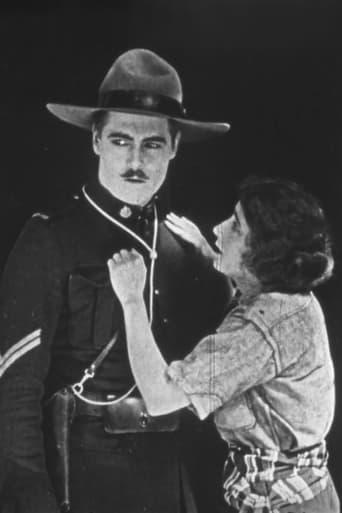
The Marshal sends John Weston to a rodeo to see if he can find out who is killing the rodeo riders who are about to win the prize money. Barton has organized the rodeo and plans to leave with all the prize money put up by the townspeople. When it appears that Weston will beat Barton's rider, he has his men prepare the same fate for him that befell the other riders.
Cast & crew
More films like this

More Action films
View all →
More from Robert N. Bradbury
View all →
More about this film
About the production
Release dateSeptember 15, 1934
BudgetApproximately $10,000-15,000 (typical for Lone Star Productions Westerns of this era)
Box officeExact figures unknown, but profitable for Lone Star Productions as part of their successful B-Western formula
ProductionLone Star Productions, Monogram Pictures
Filmed inLone Pine, California, Alabama Hills, Monogram Pictures Studios, Los Angeles
This was one of sixteen Westerns John Wayne made for Lone Star Productions between 1933-1935. The picture utilized the rugged landscapes of Alabama Hills, which became a popular location for Westerns. The rodeo sequences were filmed with real rodeo performers of the era, adding authenticity to the action scenes. Production was completed in approximately 7-8 days, typical of the fast-paced B-Western schedule.
Themes
Justice and law enforcementCorruption in businessThe American frontier spiritSportsmanship and fair competitionGood versus evil
Themes & topics
rodeoundercover marshalprize moneymurder investigationwestern towncorrupt organizerrodeo competitionjusticerevengeoutlaw gang
Historical background
Produced The Man from Utah reflects Lone Star Productions's release strategy for United States markets at a moment when cinema technology and taste were shifting quickly.
Why this film matters
Programmers and historians revisit The Man from Utah (1934) because its story—the marshal sends john weston to a rodeo to see if he can find out who is killing the rodeo riders who are about to win the prize money—illustrates popular narrative habits and production norms of the period.
Making of
The production of 'The Man from Utah' followed the efficient formula established by Lone Star Productions for their Westerns. Director Robert N. Bradbury, a veteran of silent Westerns, brought his expertise to the sound era, knowing exactly how to maximize production value on minimal budgets. John Wayne, still early in his career, was developing the screen persona that would make him famous - the tall, laconic hero with a strong moral code. The rodeo sequences required careful coordination, with real rodeo performers working alongside actors. Wayne, who had experience as a football player and had worked as a prop man and extra on film sets, was able to handle many of the riding scenes himself. the picture was shot quickly, with the cast and crew often working 12-14 hour days to complete the picture in under a week. The Alabama Hills location provided dramatic backdrops that made the low-budget production look more expensive than it actually was.
What critics said
English-language trade reviews of The Man from Utah are limited for 1934. Where notices survive, they stress pacing and photographic clarity; later criticism values the title as archival evidence of studio style.
Did you know?
- This was the ninth of sixteen Westerns John Wayne made for Lone Star Productions, helping establish his screen persona before his breakthrough in Stagecoach (1939)
- Director Robert N. Bradbury was the father of Bob Steele, another popular Western star of the era
- the picture's rodeo sequences featured actual champion rodeo riders of the 1930s, including several who worked as stunt doubles
- Polly Ann Young, the female lead, was the sister of popular actresses Loretta Young and Sally Blane
- the picture was released during the height of the Great Depression, when low-budget Westerns were extremely popular as affordable entertainment
- Many of the outdoor scenes were filmed at the same locations used in countless other Westerns, including parts of the Sierra Nevada mountains
- The movie was one of the early sound Westerns, made just a few years after the transition from silent films
- John Wayne performed many of his own stunts in the rodeo sequences, a practice he continued throughout his career
- the picture's original working title was 'Riding for Justice' before being changed to 'The Man from Utah'
- , like many Lone Star Productions, was shot on 35mm film but with minimal takes to save money
Visual style
The cinematography, handled by Archie Stout, utilized natural lighting for the outdoor sequences, giving the picture an authentic Western look. The Alabama Hills locations provided dramatic rock formations and wide-open spaces that enhanced the picture's visual scope despite its limited budget. The rodeo sequences were filmed with a combination of wide shots to capture the action and closer shots to highlight the performers. The camera work was straightforward and functional, prioritizing clarity and action over artistic flourishes. The indoor scenes used typical three-point lighting of the era, creating the high-contrast look characteristic of 1930s films. The cinematography effectively served the story while working within the constraints of the rapid production schedule.
Innovations
While not groundbreaking in technical terms, 'The Man from Utah' demonstrated the efficient production techniques that made B-Westerns profitable. the picture successfully integrated authentic rodeo footage with studio-shot scenes, creating a seamless viewing experience. The sound recording on location presented challenges that were adequately handled by the production team. The editing maintained a brisk pace throughout the picture's 55-minute runtime, keeping the audience engaged with minimal wasted footage. The stunt coordination in the rodeo sequences was particularly noteworthy for its realism and safety considerations. the picture represents the refinement of the low-budget Western formula that would dominate the genre for years.
Music
The musical score was typical of Lone Star Productions Westerns, featuring stock music and simple melodic themes. the picture included several musical numbers, a common feature in Westerns of this era to showcase the talents of supporting actors. The sound design emphasized the rodeo sequences, with clear audio of horses, crowds, and action sounds. As an early sound film, the audio quality reflects the technological limitations of the period, with some background noise and limited dynamic range. The music served primarily to enhance the action and emotional beats rather than as a distinctive artistic element. the picture's sound design was functional and effective for its genre and budget level.
Famous quotes
I'm here to see that this rodeo is run on the up and up. No funny business.
A man's got to do what's right, even when it's dangerous.
There's more to this rodeo than just riding and roping.
Justice may be slow, but it always catches up with you.
In this country, we play fair or we don't play at all.
Memorable scenes
- The opening sequence where Marshal Weston receives his undercover assignment and rides toward the rodeo town
- The dramatic rodeo competition scenes featuring authentic rodeo performers and thrilling horseback action
- The tense confrontation between Weston and Barton when the corruption is revealed
- The climactic chase and shootout through the rocky terrain of the Alabama Hills
- The final justice scene where Weston reveals his marshal's badge and arrests the criminals
What audiences thought
Contemporary audience reception was positive, particularly among fans of Western films and John Wayne's growing fanbase. the picture performed well in small-town theaters and rural areas where Westerns were especially popular. Moviegoers appreciated the action sequences, authentic rodeo footage, and Wayne's charismatic performance. The straightforward plot and clear moral resolution appealed to Depression-era audiences seeking uncomplicated entertainment. In later years, the picture has found an audience among classic film enthusiasts and John Wayne completists. While not as well-remembered as Wayne's later Westerns, it maintains a place in the hearts of fans of B-movie Westerns and 1930s cinema.
Film connections
Influenced by
- Traditional Western film formulas
- Contemporary rodeo culture
- Earlier silent Westerns
- Hard-boiled detective fiction
- Frontier mythology
This film influenced
- Subsequent Lone Star Westerns
- Later John Wayne Westerns
- Rodeo-themed films
- Undercover law enforcement Westerns
Film restoration
the picture survives in its complete form and has been preserved through various home media releases. 16mm and 35mm copies exist in film archives, and it has been transferred to digital formats for modern viewing. the picture entered the public domain, which has helped ensure its survival through multiple releases by different companies. While the original camera negative may no longer exist, good quality prints survive that allow for proper restoration and preservation efforts.
Where to watch
- Public domain streaming sites
- DVD collections of John Wayne's early films
- Classic Western streaming services
- YouTube (public domain uploads)
- Archive.org
- Retro film streaming platforms
- Classic movie cable channels