Polly Ann Young
Actor
Born: October 25, 1908 in Denver, Colorado, USA Died: January 21, 1997 Active: 1927-1937
Films
1 film
About Polly Ann Young
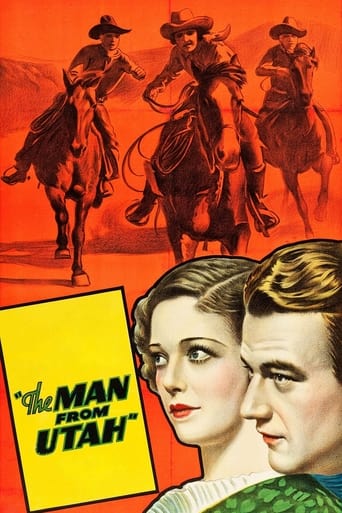
American actress who worked primarily during the Golden Age of Hollywood, appearing in numerous films throughout the 1930s. Born into a family of performers, she was the younger sister of Academy Award-winning actress Loretta Young and actress Sally Blane, making the Young sisters one of Hollywood's most notable acting families. Her screen career spanned the late 1920s through the mid-1930s, during which she appeared in both leading and supporting roles, often in Westerns and B-movies. Her most recognized performance came in 1934's 'The Man from Utah' opposite John Wayne, where she showcased her ability to hold her own as a romantic lead. Like many character actresses of her era, Young often played the dependable female counterpart in action-oriented films, bringing warmth and authenticity to her roles. Her career gradually diminished by the late 1930s, after which she focused on her personal life, including her marriage to actor Ricardo Cortez. Though not as celebrated as her famous sisters, Polly Ann Young's contributions to cinema represent the essential work of supporting actresses who helped define the character and atmosphere of classic Hollywood films.
The Craft
On Screen
Polly Ann Young developed a naturalistic acting style that was well-suited for the practical demands of 1930s Hollywood filmmaking. Her performances were characterized by a straightforward, sincere approach that made her characters relatable and believable, particularly in Western settings where authenticity was valued. Young possessed a warm screen presence that allowed her to effectively portray both romantic interests and supportive characters, often serving as the emotional anchor in action-oriented films. Her technique emphasized clear diction and expressive facial work, essential skills for early sound cinema, while maintaining a subtlety that prevented her performances from becoming melodramatic. Like many actresses of her era, she adapted quickly to the transition from silent films to talkies, demonstrating versatility across different genres from Westerns to dramatic features.
Milestones
- Film debut in 'The Girl from Everywhere' (1927)
- Leading role in 'The Man from Utah' (1934) opposite John Wayne
- Part of the famous Young acting family with sisters Loretta Young and Sally Blane
- Marriage to prominent actor Ricardo Cortez
- Regular appearances in Western films during the 1930s
Best Known For
Iconic Roles
Must-See Films
Accolades
Special Recognition
- Part of the Young family legacy in Hollywood history
Working Relationships
Worked Often With
Studios
Why They Matter
Impact on Culture
Polly Ann Young's cultural impact, while not as widely recognized as her sister Loretta's, represents the essential contributions of supporting actresses during Hollywood's Golden Age. As part of the Young acting family, she helped establish one of Hollywood's most notable acting dynasties, demonstrating that talent could run through family lines. Her work in Western films during the 1930s contributed to the development of the genre, particularly in establishing the formula of pairing strong male leads with capable female counterparts. Young's career trajectory also reflects the typical path of many actresses of her era who found steady work in B-movies and genre films, providing the backbone of Hollywood's output during the studio system. Her longevity in marriage to Ricardo Cortez also represented a model of stability in an industry known for its tumultuous relationships. While not a household name today, her performances survive as part of the fabric of classic American cinema, particularly in the Western genre that defined much of 1930s popular entertainment.
Lasting Legacy
Polly Ann Young's legacy in film history is primarily preserved through her connection to one of Hollywood's most famous acting families and her contributions to the Western genre during its formative years in sound cinema. Her films, particularly those with John Wayne, continue to be studied and appreciated by classic film enthusiasts and Western genre specialists. The Young sisters' collective impact on Hollywood remains significant, with Polly Ann representing the often-overlooked but crucial supporting roles that made films of the era complete. Her marriage to Ricardo Cortez also links her to the fascinating story of early Hollywood's transition from silent to sound films, as Cortez was one of the few silent stars who successfully made the transition. Young's career serves as a valuable case study for understanding the opportunities and limitations faced by actresses who were not top-tier stars but maintained steady careers during Hollywood's studio era. Her story adds depth to our understanding of how family connections, talent, and timing shaped careers in classic Hollywood.
Who They Inspired
Polly Ann Young's influence on other performers is primarily indirect, through her example as part of a successful acting family. Her career demonstrated that it was possible to maintain a respectable acting career even without achieving stardom, particularly through genre work and supporting roles. For actresses studying the history of women in Western films, Young's performances provide valuable examples of how to create memorable characters within the constraints of formulaic storytelling. Her stable marriage in tumultuous Hollywood also offered a model of personal and professional balance that may have influenced other industry professionals. The Young family's collective success undoubtedly inspired other families to pursue careers in entertainment, showing that multiple family members could find success in the competitive Hollywood environment. While she may not have directly mentored specific actors, her body of work continues to influence performers who study classic film techniques and the evolution of supporting roles in American cinema.
Off Screen
Polly Ann Young came from a large Catholic family with strong entertainment industry connections. Her mother, Gladys Belzer, was a stage actress, and all three daughters pursued acting careers. In 1930, she married actor Ricardo Cortez, who had been a prominent leading man during the silent era and successfully transitioned to sound films. The marriage lasted until Cortez's death in 1977, spanning 47 years. Unlike many Hollywood marriages of the era, theirs was notably stable and long-lasting. Young maintained a relatively private life away from the spotlight compared to her more famous sister Loretta, who became one of Hollywood's biggest stars. After her acting career diminished, she focused on her marriage and family life, occasionally appearing at film-related events with her husband. She spent her later years in California and passed away at the age of 88 in Los Angeles.
Education
Limited information available, likely educated in Los Angeles area during early Hollywood years
Family
- Ricardo Cortez (1930-1977)
Did You Know?
- She was the youngest of the three Young sisters who all became actresses
- Her birth name was the same as her stage name
- She married actor Ricardo Cortez, who was 14 years her senior
- Her sister Loretta Young won an Academy Award for 'The Farmer's Daughter' (1947)
- She appeared in several films with John Wayne during his early career
- The Young sisters' mother was also a stage actress named Gladys Belzer
- Her sister Sally Blane was married to director Norman Foster
- She retired from acting relatively early compared to her sisters
- Her films are now primarily of interest to Western genre enthusiasts
- The Young family was Catholic, which influenced their career choices and personal lives
In Their Own Words
No widely documented quotes from Polly Ann Young are available in historical records
Frequently Asked Questions
Who was Polly Ann Young?
American actress who worked primarily during the 1930s, best known as the younger sister of Academy Award winner Loretta Young and as a supporting actress in Western films, particularly 'The Man from Utah' (1934) opposite John Wayne.
What films is Polly Ann Young best known for?
Titles linked here include The Man from Utah (1934), The Trail Beyond (1934).
When was Polly Ann Young born and when did she die?
Born October 25, 1908; died January 21, 1997.
What awards did Polly Ann Young win?
Polly Ann Young did not receive any major awards or nominations during her career, though she was part of the notable Young acting family that included her Academy Award-winning sister Loretta Young.
What was Polly Ann Young's acting style?
Young developed a naturalistic, sincere acting style characterized by warmth and authenticity, making her particularly effective in Western films where she often played romantic interests or supportive characters opposite leading men.
How was Polly Ann Young related to Loretta Young?
Polly Ann Young was the younger sister of Loretta Young, with both being part of a family of three sisters who all became actresses, including their middle sister Sally Blane.
Who did Polly Ann Young marry?
She married actor Ricardo Cortez in 1930, and their marriage lasted 47 years until Cortez's death in 1977, making it one of the more stable and long-lasting marriages in Hollywood during that era.