
John Wayne
Actor
Born: May 26, 1907 in Winterset, Iowa, USA Died: June 11, 1979 Active: 1926-1976 Birth Name: Marion Robert Morrison
Films
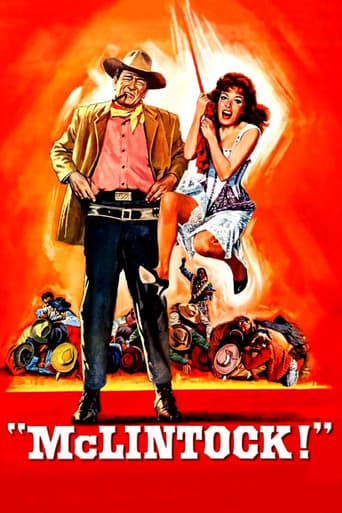
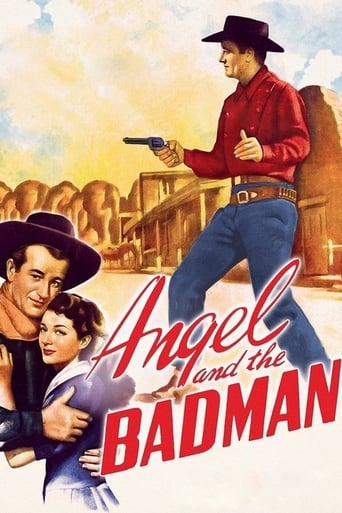
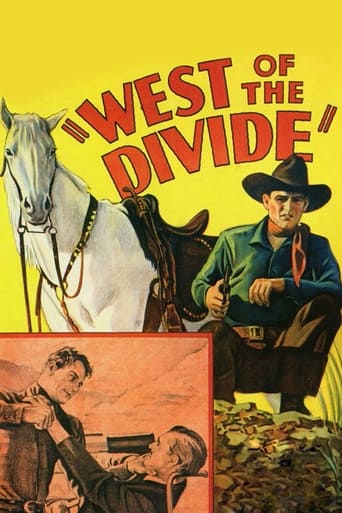
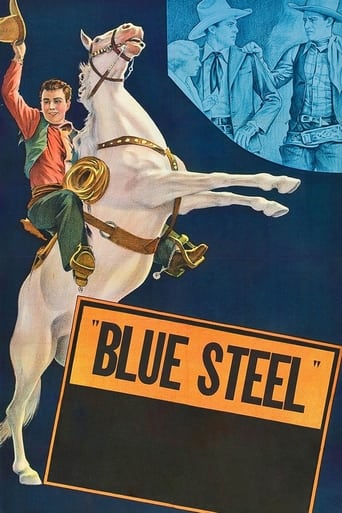
11 films


About John Wayne
John Wayne, born Marion Robert Morrison, rose from humble beginnings in Iowa to become one of Hollywood's most and enduring stars. His career began in the 1920s as a prop man and extra at Fox Studios, where he met director John Ford, who would become his most important mentor. Wayne's breakthrough came with John Ford's 'Stagecoach' (1939), which established his signature persona as the rugged, stoic American hero. Throughout the 1940s and 1950s, he became the definitive Western star, appearing in classics like 'Red River,' 'The Searchers,' and 'Rio Bravo.' His career extended beyond Westerns to include war films, dramas, and even comedies, always maintaining his distinctive screen presence. Wayne won his only Academy Award for 'True Grit' (1969) and continued working until his final film 'The Shootist' (1976). His final years were marked by declining health due to cancer, but he remained a beloved American icon until his death in 1979, having appeared in over 170 films and becoming a symbol of American masculinity and values.
The Craft
On Screen
John Wayne developed a distinctive acting style characterized by his slow, deliberate walk, deep gravelly voice, and understated emotional delivery. He specialized in playing strong, principled men of action who embodied traditional American values of courage, honor, and self-reliance. His acting technique was naturalistic yet stylized, often relying on physical presence and minimal dialogue to convey emotion. Wayne's performances typically featured a calm demeanor that could quickly shift to controlled intensity, particularly in confrontation scenes. He rarely used method acting techniques, instead drawing on his own personality and life experiences to create authentic-feeling characters. His signature squint, deliberate gestures, and measured speech patterns became instantly recognizable trademarks that audiences associated with his on-screen persona.
Milestones
- Breakthrough role in 'Stagecoach' (1939)
- Academy Award for Best Actor for 'True Grit' (1969)
- Formation of Batjac Productions (1952)
- AFI Life Achievement Award (1979)
- Presidential Medal of Freedom (posthumously, 1980)
- Star on Hollywood Walk of Fame (1960)
- Over 170 film appearances spanning 50 years
- Box office champion for three consecutive decades (1940s-1960s)
Best Known For
Iconic Roles
Must-See Films
Accolades
Won
- Academy Award for Best Actor for 'True Grit' (1969)
- Golden Globe Award for Best Actor for 'True Grit' (1969)
- New York Film Critics Circle Award for Best Actor for 'True Grit' (1969)
- Golden Globe Cecil B. DeMille Award (1966)
- National Board of Review Award for Best Actor for 'The Alamo' (1960)
- Photoplay Award for Most Popular Male Star (multiple years)
Nominated
- Academy Award nomination for Best Actor for 'Sands of Iwo Jima' (1949)
- Academy Award nomination for Best Picture for 'The Alamo' (1960) as producer
- Golden Globe nominations for Best Actor for 'The Alamo' (1960) and 'The Shootist' (1976)
- BAFTA nomination for Best Foreign Actor for 'The Quiet Man' (1953)
Special Recognition
- AFI Life Achievement Award (1979)
- Presidential Medal of Freedom (posthumously awarded by President Jimmy Carter, 1980)
- Congressional Gold Medal (1979)
- Hollywood Walk of Fame Star (1960)
- John Wayne Cancer Institute named in his honor
- John Wayne Airport in Orange County, California named after him
- U.S. Postal Service commemorative stamp (1990)
- Inducted into the Hall of Great Western Performers at the National Cowboy & Western Heritage Museum
- American Film Institute's Greatest Male Star of American Film list (#3, 1999)
Working Relationships
Worked Often With
Studios
Why They Matter
Impact on Culture
John Wayne transcended cinema to become an American cultural icon, embodying the ideal of rugged individualism and traditional American values. His on-screen persona influenced generations of Americans' perceptions of masculinity, courage, and patriotism. During World War II and the Cold War, Wayne's films served as morale boosters and propaganda tools that reinforced American ideals and military values. His political activism and outspoken conservative views made him a polarizing but influential figure in American politics, supporting Richard Nixon and Ronald Reagan. Wayne's image appeared on countless products, from toys to advertisements, making him. His distinctive voice and mannerisms have been imitated in countless films, TV shows, and cartoons, cementing his place in popular culture. The character of 'The Duke' became synonymous with American strength and integrity, influencing everything from military recruitment to political rhetoric. Wayne's impact extended globally, with his films being particularly popular in countries where American cowboy mythology resonated with local audiences.
Lasting Legacy
John Wayne's legacy as an American icon endures decades after his death, with his films continuing to be studied, celebrated, and debated by scholars and audiences alike. His influence on the Western genre is immeasurable, with his performances setting the standard for cowboy heroes and establishing conventions that still define the genre today. Wayne's production company, Batjac, pioneered independent film production in Hollywood, showing how stars could maintain creative and financial control over their work. The John Wayne Cancer Institute, founded in his memory, has become one of the world's leading cancer treatment and research centers, saving countless lives. His films remain cultural touchstones that continue to generate discussions about American identity, values, and history. Wayne's influence extends beyond cinema into politics, with multiple presidents citing him as an influence and his image being used in political campaigns. The preservation and restoration of his films by institutions like the Criterion Collection and Turner Classic Movies ensures that new generations can appreciate his contributions to cinema. His name continues to grace airports, schools, and memorials across America, testament to his enduring place in the national consciousness.
Who They Inspired
John Wayne's influence on cinema and popular culture is profound and far-reaching. He established the template for the modern action hero, influencing actors from Clint Eastwood to Arnold Schwarzenegger. His distinctive acting style, emphasizing physical presence and minimal dialogue, influenced generations of actors who followed. Wayne's work with directors John Ford and Howard Hawks helped establish the visual language of the American Western, influencing filmmakers like Steven Spielberg, George Lucas, and Martin Scorsese. His success as an independent producer through Batjac Productions paved the way for star-owned production companies. Wayne's political activism and public persona influenced how celebrities engage with political issues, for better or worse. His films continue to be referenced and homaged in contemporary cinema, from 'Star Wars' to 'No Country for Old Men.' The 'John Wayne' archetype has become a cultural shorthand that appears in literature, music, and art. Even actors who consciously rejected his style, like Marlon Brando and James Dean, were defined in opposition to his approach. His influence on the myth of the American West continues to shape how both Americans and the world view American history and values.
Off Screen
John Wayne was married three times and had seven children. His first marriage to Josephine Alicia Saenz (1933-1945) produced four children: Michael, Mary Antonia 'Toni,' Patrick, and Melinda. His second marriage to Esperanza Baur (1946-1954) was turbulent and ended in divorce. His third and longest marriage to Pilar Pallete (1954-1979) produced three children: Aissa, John Ethan, and Marisa. Wayne was known as a devoted father who maintained close relationships with his children throughout his life. He was also a passionate sports enthusiast, particularly fond of football and sailing. His personal life was marked by his strong conservative political views and his battle with cancer, which ultimately claimed his life. Wayne — heavy smoker and drinker for much of his adult life, habits that contributed to his health problems in later years.
Education
John Wayne attended Glendale High School in California where he excelled academically and in sports. He was an outstanding football player and earned a football scholarship to the University of Southern California (USC) in 1925. Wayne played for the USC Trojans football team under legendary coach Howard Jones. His football career at USC was cut short by a bodysurfing accident that resulted in a broken collarbone and the loss of his athletic scholarship. This injury forced him to leave USC and seek employment, which led him to the Fox film studios where he began his film career as a prop man and extra. Despite not completing his college education, Wayne maintained a lifelong interest in reading and was known for his extensive personal library and intellectual curiosity about history and politics.
Family
- Josephine Alicia Saenz (1933-1945)
- Esperanza Baur (1946-1954)
- Pilar Pallete (1954-1979)
Did You Know?
- His nickname 'The Duke' came from his childhood dog, an Airedale Terrier named Duke
- He was a member of the USC football team coached by Howard Jones, who recommended him for his first film role
- He lost the lead role in 'The Gunfighter' (1950) to Gregory Peck after demanding too much money
- Wayne was 6'4" tall but wore lifts in his shoes to appear even taller on screen
- He was a heavy smoker, often smoking up to six packs of cigarettes per day
- Wayne — Freemason and attained the rank of Master Mason
- He was offered the role of Dirty Harry but turned it down, feeling he was too old
- His favorite film of his own was 'The Quiet Man' (1952)
- Wayne — close friend of legendary director John Ford, though they often argued fiercely
- He survived lung cancer in 1964 but died of stomach cancer 15 years later
- Wayne — registered Republican but supported Democratic president Franklin D. Roosevelt's New Deal
- He was offered the role of Matt Dillon in 'Gunsmoke' but declined, leading to James Arness getting the part
- Wayne's distinctive walk was developed after a horse-riding injury made him limp
- He was a close friend of actress Maureen O'Hara and considered her his favorite leading lady
- Wayne turned down the lead in 'High Noon' (1952), a decision he later regretted
- He was an accomplished chess player and often played between takes on film sets
In Their Own Words
Courage is being scared to death but saddling up anyway.
I won't be wronged, I won't be insulted, and I won't be laid a hand on. I don't do these things to other people, and I require the same from them.
Life is hard; it's harder if you're stupid.
Tomorrow is the most important thing in life. Comes into us at midnight very clean. It's perfect when it arrives and it puts itself in our hands. It hopes we've learned something from yesterday.
A man's got to have a code, a creed to live by.
Talk low, talk slow, and don't talk too much.
I'm the stuff men are made of.
All I'm for is the liberty of the individual.
I don't feel we did wrong in taking this great country away from them. There were great numbers of people who needed new land, and the Indians were selfishly trying to keep it for themselves.
I've always followed my father's advice: He told me, first to always keep my word and, second, to never insult anybody unintentionally.
Frequently Asked Questions
Who was John Wayne?
Iconic American with credits in this catalog. Born Marion Robert Morrison, he appeared in over 170 films during a career spanning five decades, becoming one of Hollywood's biggest box office draws and cultural symbols.
What films is John Wayne best known for?
Titles linked here include Stagecoach (1939), The Searchers (1956).
When was John Wayne born and when did he die?
Born May 26, 1907; died June 11, 1979.
What awards did John Wayne win?
John Wayne won the Academy Award for Best Actor for 'True Grit' (1969), a Golden Globe for the same role, and the Cecil B. DeMille Award in 1966. He also received the AFI Life Achievement Award in 1979 and was posthumously awarded the Presidential Medal of Freedom in 1980.
What was John Wayne's acting style?
John Wayne developed a distinctive acting style characterized by his slow, deliberate walk, deep gravelly voice, and understated emotional delivery. He specialized in playing strong, principled men of action, relying on physical presence and minimal dialogue to convey emotion, creating a persona that embodied traditional American values.
How did John Wayne get his nickname 'The Duke'?
John Wayne acquired the nickname 'The Duke' during his childhood when he had an Airedale Terrier named Duke. Local firefighters in Glendale, California, would call the boy 'Little Duke' and his dog 'Big Duke,' and the nickname stuck with Wayne throughout his life and career.
What was John Wayne's relationship with director John Ford?
John Ford was John Wayne's most important mentor and collaborator, directing him in 14 films including 'Stagecoach' and 'The Searchers'. Ford discovered Wayne and helped shape his career, though their relationship was often tumultuous and marked by fierce arguments and mutual respect.
What was John Wayne's political stance?
Staunch conservative Republican who supported anti-communist efforts during the Cold War, backed the Vietnam War, and opposed the civil rights movement. He was an outspoken political activist who befriended Republican politicians and used his celebrity status to promote conservative causes throughout his career.