

Randy Rides Alone
"Bandits lead by Matt the Mute enter a bar and kill multiple people"
Keys: Space play/pause · ←/→ 10s · F fullscreen · M mute · </> speed
About this film
Bandits lead by Matt the Mute enter a bar and kill multiple people. Randy Bowers comes to town and is framed by Matt the Mute, who is working with the sheriff (who doesn't know Matt is really a criminal). Randy escapes with the help of the niece of the dead owner of the bar. Bowe.
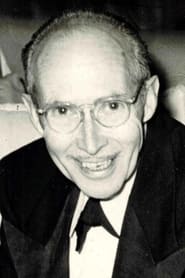
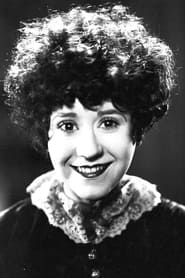
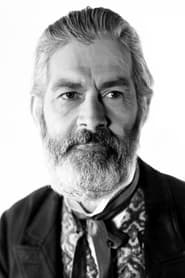
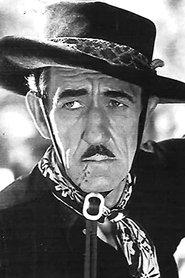
Cast & crew
More films like this
More Action films
View all →
More from Harry L. Fraser
View all →
More about this film
About the production
Release dateOctober 15, 1934
BudgetApproximately $15,000-20,000 (typical Lone Star Productions budget)
Box officeModest regional success, exact figures not recorded
ProductionLone Star Productions, Monogram Pictures
Filmed inLone Pine, California, Alabama Hills, Monogram Studios
Filmed in just 6 days on a tight schedule typical of poverty row westerns. The cave sequences were shot on studio sets with painted backdrops. This was one of 8 westerns John Wayne made for Lone Star in 1934 alone, demonstrating the factory-like production methods of B-movie westerns.
Themes
Themes & topics
frame-upfugitivesaloon massacrehidden identitysheriffbanditscave hideoutwrongful accusationrevengewestern town
Historical background
By 1934, sound cinema, wartime mobilization, and changing censorship norms were reshaping what audiences expected from narrative features.
Why this film matters
Randy Rides Alone remains part of the screen heritage of its era, offering evidence of prevailing genres, production methods, and audience tastes. Later revivals, archive screenings, and digitization have kept such titles accessible to researchers and dedicated viewers long after their first commercial runs.
Making of
The production was rushed through in less than a week, with director Harry L. Fraser working from a minimal script that allowed for improvisation. John Wayne, still years away from stardom, was developing his screen persona through these rapid-fire productions. The cave sequences were particularly challenging, shot on cramped studio sets with limited lighting. Alberta Vaughn, a popular silent film actress transitioning to talkies, was nearing the end of her career when she made this film. George 'Gabby' Hayes was still establishing the character that would make him famous, and this film shows him in a more serious role than his later comic performances.
What critics said
Reception records for Randy Rides Alone are uneven; interest today is concentrated among archivists, historians, and viewers of older cinema. Modern assessment tends to emphasize historical value, craft, and cultural context rather than box-office performance.
Did you know?
- This was one of over 20 low-budget westerns John Wayne made between 1933-1935 before his breakthrough with 'Stagecoach' in 1939
- George 'Gabby' Hayes developed his famous gabby sidekick character through films like this, though he doesn't play his usual comic relief role here
- The film's villain 'Matt the Mute' was an unusual character for westerns of the era, as most villains were more overtly menacing
- Lone Star Productions was created specifically to produce John Wayne westerns, making 16 films with him between 1933-1935
- The film was shot in sequence, a common practice for low-budget productions to save time and money
- Despite the title, Randy spends most of the film on foot rather than riding
- The bar massacre scene was considered particularly violent for 1934 standards
- This film exists in the public domain, which is why it's widely available on budget DVD collections
- The Alabama Hills location where this was filmed would later become famous as the setting for countless westerns and television shows
- John Wayne's salary for this film was approximately $2,500, a significant increase from his earlier poverty row work
Visual style
Shot by Archie Stout, who would later work with John Wayne on major productions like 'The Quiet Man.' The cinematography is functional rather than artistic, utilizing natural light for outdoor scenes and standard studio lighting for interiors. The Alabama Hills locations provide striking backdrops that would become synonymous with westerns. The camera work is straightforward, focusing on clear storytelling rather than visual innovation.
Innovations
No significant technical innovations, but represents the efficient production methods of poverty row studios. The film demonstrates how westerns could be produced quickly using limited resources while maintaining genre conventions. The cave sequences show creative use of studio space to create convincing location settings.
Music
Typical of low-budget productions, the film uses library music and minimal original scoring. The sound quality reflects the early talkie era, with some synchronization issues noticeable in dialogue scenes. No notable songs or musical themes were created specifically for this film. Sound effects were basic, using standard western audio clichés of the period.
Famous quotes
I'm not running from the law, I'm running from a rope!
A man's got to clear his name, even if it means riding straight into hell.
In this town, justice wears a badge and the outlaws wear smiles.
Memorable scenes
- The opening saloon massacre where Matt the Mute and his gang burst in guns blazing, establishing the film's violent tone and setting the frame-up plot in motion. The scene was particularly shocking for 1934 audiences and sets up the entire conflict.
What audiences thought
The film found its primary audience in small-town theaters and rural areas where westerns were most popular. Matinee audiences of the 1930s would have appreciated its straightforward action and clear morality play. Modern audiences discovering it through public domain compilations generally find it charming as a time capsule of 1930s B-movie production, though it lacks the sophistication of later westerns.
Film connections
Influenced by
- Standard B-western conventions of the 1930s
- Earlier silent western plot structures
- Tom Mix western formula
This film influenced
- Subsequent Lone Star John Wayne westerns
- Later B-western revenge plots
- Public domain western compilation films
Film restoration
The film survives in complete form and is in the public domain. Multiple copies exist in various archives, though quality varies due to the cheap original film stock used in production. Some versions show deterioration common to poverty row films of the era.
Where to watch
- YouTube (multiple public domain uploads)
- Internet Archive
- Public domain DVD collections
- Tubi (free streaming)
- Pluto TV (occasional rotation)
- Classic western streaming services