Films
1 film
About Tex Phelps
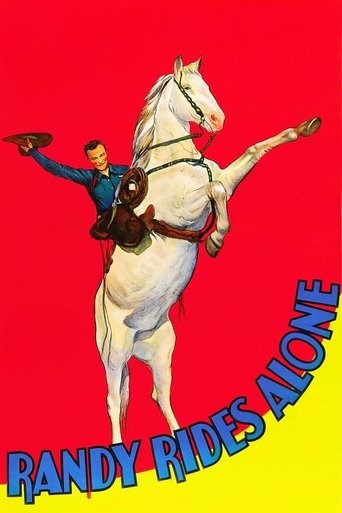
American actor who appeared briefly in Hollywood during the early sound era, with his only known film credit being in the 1934 Western 'Randy Rides Alone' starring John Wayne. As a bit player during the Golden Age of Hollywood, Phelps was part of the vast pool of supporting actors who populated the B-Western films that were popular in the 1930s. These actors often worked for Poverty Row studios like Lone Star Productions, which produced many of Wayne's early Westerns. Phelps' career appears to have been extremely brief, spanning only the year 1934, suggesting he may have been a contract player who either left the industry or continued in uncredited roles that weren't documented. Like many minor actors of this period, detailed records of his life and career are scarce, reflecting how the film industry of the time often overlooked the contributions of supporting players. His appearance in 'Randy Rides Alone' places him among the countless performers who helped create the classic Hollywood cinema, even if their individual contributions were small.
The Craft
Milestones
- Appeared in 'Randy Rides Alone' (1934) starring John Wayne
Best Known For
Must-See Films
Working Relationships
Worked Often With
Studios
Why They Matter
Impact on Culture
Tex Phelps represents the countless unsung performers who formed the backbone of Hollywood's studio system during the Golden Age. While his individual contribution was minimal, actors like him were essential to creating the authentic worlds of B-Westerns that dominated American cinema in the 1930s. These supporting players provided the necessary atmosphere and realism that allowed stars like John Wayne to shine, even if their names have been largely forgotten by time. The existence of actors like Phelps demonstrates the vast scale of Hollywood's production machine and the thousands of performers who contributed to cinema's golden era, many of whom remain anonymous in historical records.
Lasting Legacy
The legacy of Tex Phelps is representative of the transient nature of fame in early Hollywood and the countless performers who briefly passed through the industry without achieving lasting recognition. His single film credit in 'Randy Rides Alone' shows the ephemeral nature of stardom and the thousands of actors who contributed to cinema's history without leaving extensive documentation. While not remembered individually, performers like Phelps collectively shaped the landscape of American film and helped establish the Western genre as a cornerstone of Hollywood storytelling.
Who They Inspired
As a minor actor with only one known credit, Tex Phelps had minimal direct influence on other performers or the film industry. However, he was part of the generation of actors who helped establish the conventions of the Western genre during its formative years in sound cinema. The work of bit players like him influenced how supporting roles would be cast and performed in Westerns for decades to come, even if their individual contributions went unrecorded.
Off Screen
Very little is known about the personal life of Tex Phelps, as was common for many bit players and supporting actors from the Golden Age of Hollywood who never achieved stardom. Like many actors who worked in B-Westerns during the 1930s, personal details were rarely documented unless the performer achieved significant fame.
Did You Know?
- Appeared in the same film as John Wayne during Wayne's early B-Western period
- His entire known film career spans only one year (1934)
- Like many actors of his era, he likely worked under a studio contract system
- B-Western actors often appeared in multiple films per year, suggesting Phelps may have other uncredited roles
- The film 'Randy Rides Alone' was produced by Lone Star Productions, a Poverty Row studio
- Many actors in 1930s Westerns used stage names with 'Tex' to establish their cowboy credentials
- Supporting actors in B-Westerns often earned very little, sometimes as little as $10-50 per day
- The lack of detailed records about Phelps was typical for non-star actors of this period
Frequently Asked Questions
Who was Tex Phelps?
American with credits in this catalog. He was a bit player during the Golden Age of Hollywood, likely working under contract for Poverty Row studios that produced B-Westerns.
What films is Tex Phelps best known for?
Titles linked here include Randy Rides Alone (1934).
When was Tex Phelps born and when did he die?
Unfortunately, the birth and death dates of Tex Phelps are not documented in available historical records. This was common for many supporting actors and bit players from the Golden Age of Hollywood who never achieved major stardom.
What awards did Tex Phelps win?
There are no records of Tex Phelps receiving any awards or nominations for his work in film. As a bit player with only one known credit, he would not have been eligible for major industry recognition during his brief career.
What was Tex Phelps' acting style?
There is insufficient documentation to determine Tex Phelps' specific acting style or techniques. As a minor actor in a B-Western, he likely employed the straightforward, naturalistic approach typical of supporting players in 1930s genre films, where authenticity and typecasting were often valued over nuanced performance.
Why is so little known about Tex Phelps?
The scarcity of information about Tex Phelps reflects how the Hollywood studio system of the 1930s often failed to document the lives and careers of minor performers. Bit players and supporting actors were frequently treated as interchangeable parts in the film production machine, with their personal histories and career details rarely preserved unless they achieved significant fame.