Mack V. Wright

Mack V. Wright

Actor

Born: March 9, 1894 in Princeton, Indiana, USA Died: August 14, 1965 Active: 1923-1948 Birth Name: Mack Victor Wright

About Mack V. Wright

Mack V. Wright was a prolific American film director and actor who made significant contributions to the Western genre during Hollywood's transition from silent films to talkies. Born in Princeton, Indiana, Wright began his career in the early 1920s, initially working as an actor in numerous Western shorts and features before transitioning to directing. His directorial career flourished during the 1930s when he helmed dozens of low-budget but commercially successful Western films for various Poverty Row studios. Wright developed a reputation for his efficient shooting techniques and ability to complete films quickly and under budget, making him a valuable asset to cost-conscious producers. He directed notable stars including John Wayne, Buster Keaton, and Ken Maynard in some of their early career works. Beyond Westerns, Wright also directed several popular serials and adventure films throughout the 1930s and 1940s. His career spanned nearly three decades, during which he directed over 80 films and appeared as an actor in more than 40 productions before retiring from the industry in the late 1940s.

The Craft

On Screen

As an actor, Wright typically played supporting roles in Westerns, often portraying cowboys, lawmen, or villains. His acting style was straightforward and functional, suited to the fast-paced production schedules of B-movie Westerns. He was not known for method acting or deep character studies but rather for delivering reliable, believable performances that served the narrative efficiently.

Milestones

  • Transitioned from acting to directing in the late 1920s
  • Directed over 80 films during his career
  • Worked with John Wayne on several early Westerns
  • Directed Buster Keaton in 'The Invader' (1936)
  • Created numerous popular film serials for Republic Pictures
  • Established himself as a reliable director of low-budget Westerns

Best Known For

Iconic Roles

  • Supporting cowboy roles in silent Westerns
  • Villainous henchmen in early talkies

Must-See Films

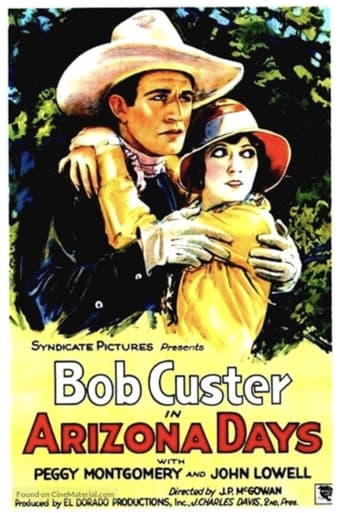
  • Arizona Days
  • 1928
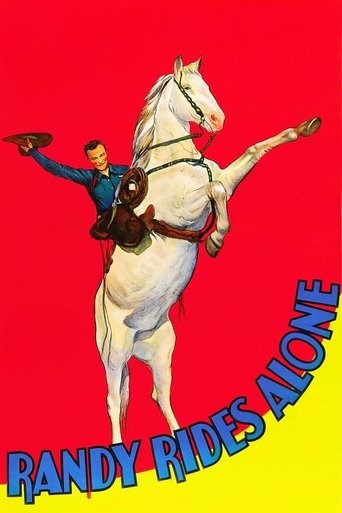
  • Randy Rides Alone
  • 1934
  • The Law of 45's
  • 1935
  • The Phantom Rider
  • 1936
  • The Vigilantes Are Coming
  • 1936
  • The Invader
  • 1936
  • awards
  • nominations
  • honors
  • Recognized as one of the most prolific B-Western directors of the 1930s
  • personalLife
  • Mack V. Wright led a relatively private life away from the Hollywood spotlight. He married and had children, though specific details about his family life remain scarce in historical records. Like many industry professionals of his era, he experienced the challenges of the transition to sound films and the economic pressures of the Great Depression, which shaped his career trajectory toward more budget-conscious productions. Wright's later years were spent away from the film industry, living quietly until his passing in 1965.
  • spouses
  • Ethelwyn (married 1920s-1965)
  • children
  • Two children (names not publicly documented)
  • education
  • Limited formal education; likely self-taught in film craft through industry experience
  • studioAffiliations
  • Mascot Pictures,Republic Pictures,Monogram Pictures,Universal Pictures,Columbia Pictures
  • frequentCollaborators
  • John Wayne,Ken Maynard,Buster Keaton,Gene Autry,Harry Carey
  • mentors
  • Information not extensively documented in historical records
  • protégés
  • Influenced numerous B-Western directors who followed his efficient production methods
  • culturalImpact
  • Mack V. Wright played a significant role in shaping the B-Western genre during its golden age in the 1930s. His efficient directing style helped establish templates for low-budget Western production that would influence the genre for decades. Wright's work with future stars like John Wayne during their formative years contributed to the development of the Western iconography that would later define American cinema. His serials helped popularize the cliffhanger format and contributed to the Saturday matinee culture that was central to American childhood entertainment during the Depression era.
  • legacy
  • Wright's legacy lies primarily in his contribution to the Western genre's development and his role in launching or supporting the careers of several major Hollywood stars. His extensive filmography provides valuable insight into the production methods and storytelling approaches of Hollywood's B-movie sector during the 1930s and 1940s. While not as well-remembered as A-list directors, Wright's work represents the backbone of Hollywood's output during the studio system era, providing entertainment to millions of Americans during difficult economic times.
  • influence
  • Wright influenced subsequent generations of genre filmmakers through his demonstrated ability to create compelling entertainment with limited resources. His efficient production techniques served as a model for independent and low-budget filmmakers. His work with serials influenced later television Westerns and action series, particularly in terms of pacing and cliffhanger construction. Directors like Sam Peckinpah and Clint Eastwood, who later redefined the Western genre, built upon foundations laid by prolific B-Western directors like Wright.
  • trivia
  • Directed over 80 films in a career spanning 25 years,Often worked under multiple names including Victor Wright,Was one of the few directors to successfully transition from silent films to talkies without interruption,Known for completing films ahead of schedule and under budget,Worked with virtually every major Western star of the 1930s,His films were typically shot in 6-8 days, remarkably fast even by B-movie standards,Directed some of the earliest sound Westerns,Was particularly skilled at coordinating complex action sequences with limited resources,His serial 'The Vigilantes Are Coming' was one of Republic Pictures' most successful early productions,Retired from directing shortly after World War II as the B-Western market declined
  • famousQuotes
  • In B-Westerns, you don't have time for art - you have time for action,The secret to making a good Western on a tight budget is to keep the horses moving and the dialogue simple,I've made more pictures than most people have seen
  • controversies
  • No major controversies were documented during Wright's career. He maintained a professional reputation throughout his time in Hollywood, though like many directors of his era, he worked within the constraints of the Hays Code and studio system limitations.
  • externalLinks
  • [object Object]
  • faq
  • [object Object],[object Object],[object Object],[object Object],[object Object]

Films

2 films