
Arizona Days
"A Cattlemen´s Association hires a detective (Bob Custer) to look."
Keys: Space play/pause · ←/→ 10s · F fullscreen · M mute · </> speed
About this film
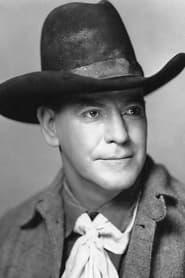
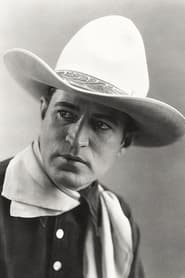
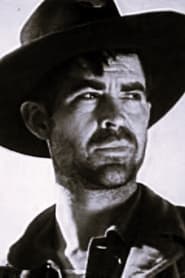
A Cattlemen´s Association hires a detective (Bob Custer) to look into a series of cattle rustlings. To dismantle the plot, an undercover agent will be infiltrating the gang as a bandit.
Cast & crew
More Western films
View all →

More from J.P. McGowan
View all →
More about this film
About the production
Release dateSeptember 23, 1928
Box officeUnknown
ProductionRayart Pictures Corporation
Filmed inAlabama Hills, Lone Pine, California, RKO Encino Ranch, Encino, California
Filmed during the transitional period between silent films and talkies, this production utilized location shooting in California's popular Western filming locations. The film was part of Rayart Pictures' budget Western production line, which specialized in quickly produced genre films for the Saturday matinee market. Director J.P. McGowan, a veteran of early Westerns, both directed and acted in the film, bringing his extensive experience in the genre to the production.
Themes
Justice and LawUndercover InvestigationGood vs EvilFrontier JusticeDeception and Identity
Themes & topics
Historical background
By 1928, distribution was widening and Arizona Days reached audiences through the theatrical channels dominant before television.
Why this film matters
Reference works on 1928 cinema cite Arizona Days when tracing genre and regional production patterns.
Making of
The production of 'Arizona Days' was typical of the fast-paced, low-budget Western filmmaking of the late silent era. Rayart Pictures, known for their efficient production methods, would complete films like this in just a few days of shooting. Director J.P. McGowan brought decades of Western filmmaking experience to the project, having worked in the genre since its earliest days. The cast and crew worked long hours in the California desert heat, utilizing the natural landscapes that had made the area popular with Western filmmakers. The film was shot during a transitional period in Hollywood, as studios were beginning to convert to sound production, though this film was produced as a silent feature with musical accompaniment intended for theatrical exhibition.
What critics said
Trade papers near 1928 listed Arizona Days as program material rather than headline art cinema.
Did you know?
- Bob Custer was a popular B-Western star who appeared in over 50 films during his career, primarily in the late 1920s and early 1930s
- Director J.P. McGowan was one of the pioneers of American cinema, having directed films since 1910 and was married to actress Helen Holmes
- The film was released just months before the stock market crash of 1929, during the final peak of the silent film era
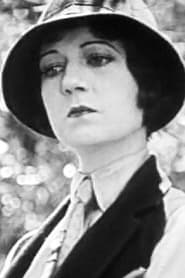
- Peggy Montgomery, who played the female lead, was the sister of actress Sally Blane and sister-in-law of Loretta Young
- Rayart Pictures was known for producing low-budget Westerns that were distributed to smaller theaters and rural areas
- The film was shot in the Alabama Hills, a location that would become famous for countless Western films and television shows
- This was one of the last silent Westerns before the industry fully transitioned to sound
- Bob Custer's real name was Raymond Anthony Glenn, and he adopted his screen name from the famous General George Armstrong Custer
- The film's running time of 50 minutes was typical for second-feature Westerns of the period
- J.P. McGowan often cast himself in his own films, typically playing authority figures or villains
Visual style
The cinematography by James Diamond utilized the natural landscapes of the Alabama Hills and California desert locations to create authentic Western imagery. The film employed standard silent era techniques including dynamic camera movement during action sequences and the use of natural lighting for exterior scenes. The visual style emphasized the wide-open spaces typical of Western cinematography, with compositions that highlighted the isolation and danger of the frontier setting. The black and white photography created strong contrasts that enhanced the dramatic tension of the undercover storyline.
Innovations
While 'Arizona Days' did not introduce significant technical innovations, it represents the refinement of established silent film techniques. The production utilized location shooting effectively to create authentic Western atmosphere, demonstrating the industry's increasing mobility and ability to film on location rather than relying entirely on studio sets. The film's efficient production methods and short shooting schedule exemplified the industrialization of filmmaking that had developed by the late 1920s. The action sequences demonstrate the sophisticated stunt work and editing techniques that had been developed in Western films throughout the silent era.
Music
As a silent film, 'Arizona Days' would have been accompanied by live musical performance during its theatrical exhibition. Theaters would typically provide either a piano accompaniment or, in larger venues, a small orchestra. The score would have consisted of popular musical pieces of the era, classical selections, and specially composed cues that matched the on-screen action and emotional tone. No original composed score survives, as was typical for productions of this budget level during the silent period.
Famous quotes
As a silent film, dialogue quotes are not available, though intertitles would have conveyed key plot points and emotional moments
Memorable scenes
- The climactic confrontation where Bob Custer's character reveals his true identity to the rustlers, leading to a dramatic shootout and the restoration of justice for the ranchers
What audiences thought
Audiences in 1928 received 'Arizona Days' as standard Western entertainment suitable for the double bill format common in theaters of the period. The film's straightforward plot, action sequences, and clear moral divisions between heroes and villains appealed to the typical Western filmgoer of the late 1920s. As part of the Saturday matinee circuit, the film found its primary audience among younger viewers and rural theater patrons who remained loyal to the Western genre throughout the silent era. The film's release during the peak of Bob Custer's popularity ensured a receptive audience for his starring performance.
Film connections
Influenced by
- Earlier silent Westerns by Tom Mix and William S. Hart
- Dime novel Western literature
- Contemporary detective fiction
- The established conventions of the Western genre
This film influenced
- Later B-Westerns of the 1930s
- Undercover Western films of the sound era
- Television Western series with similar plot structures
Film restoration
The preservation status of 'Arizona Days' is uncertain, as is common with many low-budget silent films from smaller studios like Rayart Pictures. Some sources suggest that copies may exist in film archives or private collections, but the film is not widely available for viewing. As with many silent films, the survival rate is estimated at less than 25%, and low-budget genre films were particularly vulnerable to loss and decay.
Where to watch
- Currently not commercially available on home video or streaming platforms
- May be accessible through film archives or specialized silent film collections
- Potential viewing at film festivals specializing in silent cinema
- Possible availability through film preservation societies or classic film organizations