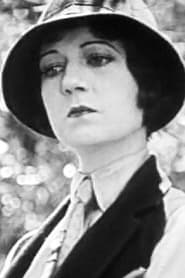
Peggy Montgomery
Actor
Born: June 14, 1904 in Kentucky, USA Died: December 21, 2004 Active: 1925-1928 Birth Name: Margaret Allen Montgomery
Films
2 films
About Peggy Montgomery
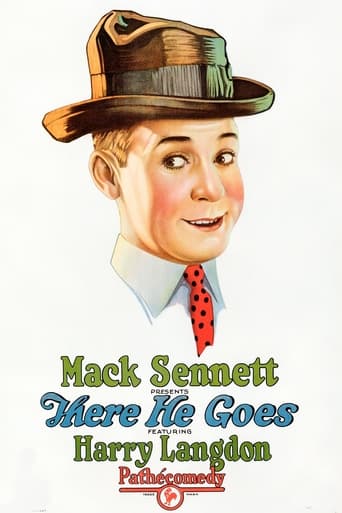
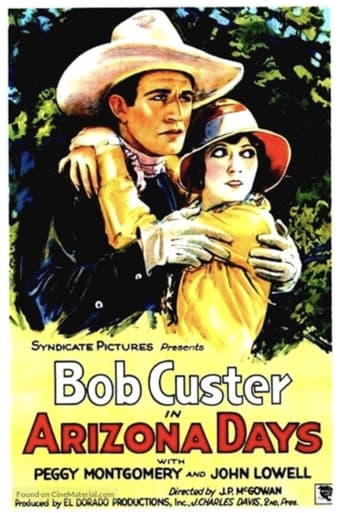
Peggy Montgomery, born Margaret Allen Montgomery, was a silent film actress who found her niche primarily in Western films during the mid-to-late 1920s. She began her film career around 1925, quickly establishing herself as a reliable supporting actress in the burgeoning Western genre that dominated American cinema at the time. Montgomery worked with several prominent Western stars of the era, including Hoot Gibson, appearing in films that showcased the rugged landscapes and frontier themes that audiences craved. Her most notable roles came in productions like 'There He Goes' (1925) and 'Arizona Days' (1928), where she often played the female lead opposite cowboy heroes. Despite her promising start in silent cinema, her career was relatively brief, concluding around 1928 as the industry transitioned to sound films. Following her retirement from acting, she married director Robert J. Horner, with whom she had worked on several films. Montgomery lived a remarkably long life, passing away at age 100 in 2004, making her one of the last surviving actresses from the silent film era.
The Craft
On Screen
Peggy Montgomery developed a naturalistic acting style well-suited for the Western genre, often portraying strong-willed frontier women who could hold their own alongside rugged cowboy heroes. Her performances emphasized authenticity and emotional sincerity rather than the exaggerated theatrics common in early silent films. She had a particular talent for conveying complex emotions through subtle facial expressions and body language, a skill that served her well in the intimate close-ups favored by directors of the era.
Milestones
- Film debut in 'There He Goes' (1925)
- Leading role in 'Arizona Days' (1928)
- Multiple collaborations with Western star Hoot Gibson
- Marriage to director Robert J. Horner
- Transition from acting to family life at the end of silent era
Best Known For
Iconic Roles
Must-See Films
Accolades
Special Recognition
- Recognition as one of the last surviving silent film actresses
Working Relationships
Worked Often With
Studios
Why They Matter
Impact on Culture
Peggy Montgomery represents the typical journey of many supporting actresses in silent era Westerns - talented performers who contributed significantly to the genre's popularity but never achieved lasting stardom. Her work helped establish the archetype of the strong Western heroine who could match the toughness of cowboy heroes while maintaining feminine appeal. As part of the transition from silent to sound films, her career trajectory exemplifies how many actors found the technical and artistic demands of talkies challenging, leading to early retirement from the industry.
Lasting Legacy
Peggy Montgomery's legacy lies primarily in her contribution to the Western genre during its golden age in silent cinema. Though she never became a major star, her performances in films like 'Arizona Days' and 'There He Goes' helped define the visual language of Western storytelling. Her remarkable longevity, living to age 100, made her one of the last surviving witnesses to the silent film era, providing a living connection to cinema's earliest days. Her story illustrates the fleeting nature of fame in early Hollywood and the countless talented performers who shaped film history without achieving lasting recognition.
Who They Inspired
As a supporting actress rather than a major star, Peggy Montgomery's direct influence on subsequent generations of performers was limited. However, her work in establishing the strong female character archetype in Westerns contributed to the evolution of women's roles in the genre. Her naturalistic acting style, which favored subtlety over melodrama, reflected the growing sophistication of film acting techniques during the transition from theatrical to cinematic performance styles.
Off Screen
Peggy Montgomery married director and producer Robert J. Horner, with whom she had collaborated on several films during her acting career. The couple had one child together. After her brief film career ended with the transition to sound, Montgomery largely withdrew from public life and focused on her family. She later married William H. O'Brien following her first marriage. Remarkably, she lived to be 100 years old, passing away in Los Angeles in 2004, making her one of the last direct links to the silent film era.
Education
No formal acting education documented; likely learned through on-set experience during the silent film era
Family
- Robert J. Horner (1927-1942)
- William H. O'Brien (1943-2004)
Did You Know?
- Born Margaret Allen Montgomery in Kentucky in 1904
- Lived to be exactly 100 years old, dying in 2004
- Married director Robert J. Horner who directed many of her films
- Her active years covered only 3-4 years during the silent era
- Primarily worked in Western films, a popular genre of the 1920s
- Retired from acting just as sound films were becoming dominant
- Was one of the last surviving actresses from the silent film era
- Often credited simply as 'Peggy' in film credits
- Worked with prominent Western stars including Hoot Gibson
- Her filmography consists entirely of silent films
In Their Own Words
No documented famous quotes from Peggy Montgomery
Frequently Asked Questions
Who was Peggy Montgomery?
Silent film actress active in the mid-1920s, primarily known for her roles in Western films. Born Margaret Allen Montgomery in 1904, she appeared in films like 'There He Goes' (1925) and 'Arizona Days' (1928) before retiring from acting with the advent of sound films.
What films is Peggy Montgomery best known for?
Titles linked here include There He Goes (1925), Arizona Days (1928).
When was Peggy Montgomery born and when did she die?
Born June 14, 1904; died December 21, 2004.
What awards did Peggy Montgomery win?
Peggy Montgomery did not receive any major film awards during her brief career in the 1920s. Her recognition came primarily from being one of the last surviving actresses from the silent film era by the time of her death in 2004.
What was Peggy Montgomery's acting style?
Peggy Montgomery developed a naturalistic acting style well-suited for Western films, often portraying strong-willed frontier women. She emphasized authentic emotions through subtle facial expressions rather than the exaggerated theatrics common in early silent cinema.
Why did Peggy Montgomery's career end so quickly?
Peggy Montgomery's career ended around 1928, coinciding with the transition from silent to sound films. Like many actors of her era, she likely found the technical demands and different performance style required for talkies challenging, leading to her retirement from acting.
Was Peggy Montgomery married?
Yes, Peggy Montgomery married twice. Her first marriage was to director Robert J. Horner, with whom she had collaborated on several films. After his death, she married William H. O'Brien. She had one child from her first marriage.