Bob Custer
Actor
Born: October 18, 1898 in Frankfort, Kentucky, USA Died: December 27, 1974 Active: 1925-1934 Birth Name: Raymond Anthony Glenn
Films
1 film
About Bob Custer
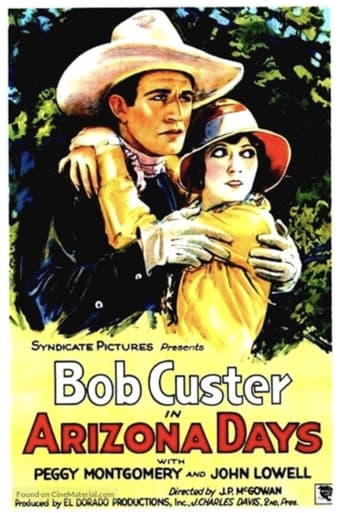
Bob Custer, born Raymond Anthony Glenn, was an American actor who found his niche in the Western genre during the twilight years of the silent film era. Beginning his film career around 1925, Custer quickly established himself as a reliable leading man in low-budget Western productions, often portraying stoic cowboys and lawmen. His peak year of productivity was 1928, during which he appeared in numerous Western shorts and features, including the notable 'Arizona Days.' Custer attempted to transition to sound films in the early 1930s but found limited success as the film industry evolved and his particular style became less marketable. By the mid-1930s, his acting career had largely concluded, though he had left his mark on dozens of Western films that entertained audiences during the final years of Hollywood's silent period. His brief but prolific career exemplified the journey of many character actors who specialized in genre films during cinema's transitional decades.
The Craft
On Screen
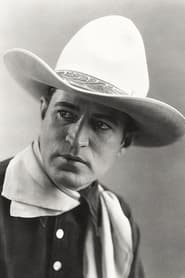
Custer developed a straightforward, no-nonsense acting style perfectly suited for Western protagonists. His performances were characterized by a stoic demeanor, minimal emotional expression, and an emphasis on physical action rather than dialogue. Like many silent Western stars, he relied heavily on body language and facial expressions to convey his characters' intentions and emotions. His screen presence was commanding yet approachable, embodying the archetypal American cowboy hero that audiences of the era expected.
Milestones
- Starred in Arizona Days (1928)
- Appeared in over 50 Western films during silent era
- Successfully transitioned from silent to early sound films
- Became a recognizable face in low-budget Western productions
Best Known For
Iconic Roles
Must-See Films
Working Relationships
Worked Often With
Studios
Why They Matter
Impact on Culture
Bob Custer represents the generation of working actors who populated Hollywood's prolific Western film factory during the silent era. While never achieving the stardom of legends like Tom Mix or William S. Hart, Custer contributed to the popularization of Western mythology and helped establish many of the genre's enduring conventions. His films, though mostly low-budget productions, were part of the cultural landscape that shaped American perceptions of the West during the 1920s. These films provided entertainment and escapism for audiences during the Roaring Twenties and helped cement the cowboy as an enduring American icon.
Lasting Legacy
Bob Custer's legacy lies primarily in his contribution to the vast catalog of silent Western films that, while not critically acclaimed, were commercially successful and culturally significant. His work serves as an important historical record of the types of films that dominated American cinemas before the transition to sound. Film historians and silent cinema enthusiasts continue to study actors like Custer to understand the film industry's structure and audience preferences during the late silent period. His films, though rarely screened today, remain valuable artifacts of Hollywood's golden age of Western production.
Who They Inspired
While Bob Custer did not significantly influence other actors or directors, his career trajectory was typical of many genre specialists of his era. His ability to work consistently in Western films demonstrated the industry's demand for reliable character actors who could embody popular archetypes. His brief attempt to transition to sound films also illustrates the challenges many silent-era actors faced when the industry underwent technological transformation. His story serves as a case study in the precarious nature of stardom during Hollywood's formative decades.
Off Screen
Bob Custer led a relatively private life away from the Hollywood spotlight. After his film career ended, he largely disappeared from public view and lived a quiet life in California. He married and had children, though details about his family life remain scarce. Like many actors whose careers peaked in the silent era, he struggled to find his place in the rapidly changing film industry of the 1930s and eventually moved on to other pursuits. His later years were spent away from the entertainment industry, and he passed away in Torrance, California, at the age of 76.
Education
Information not publicly available
Family
- Information not publicly available
Did You Know?
- His real name was Raymond Anthony Glenn
- He appeared in over 50 films during his career
- Most of his films were Westerns, making him a genre specialist
- His most productive year was 1928 when he appeared in numerous films
- Like many Western actors, he performed his own stunts
- He worked primarily for low-budget production companies
- His active years covered the transition from silent to sound films
- Arizona Days (1928) is one of his few surviving films
- He was sometimes credited as 'Bob Custer - The King of the Cowboys' in promotional materials
- His films were typically short features or extended shorts, common for Western productions of the era
In Their Own Words
Information not publicly available - silent actors' quotes were rarely documented unless they appeared in intertitles or interviews
Frequently Asked Questions
Who was Bob Custer?
American with credits in this catalog. Born Raymond Anthony Glenn, he appeared in over 50 films between 1925 and 1934, becoming a familiar face in low-budget Western productions that were popular in the late 1920s.
What films is Bob Custer best known for?
Titles linked here include Arizona Days (1928), The Valley of Bravery (1926).
When was Bob Custer born and when did he die?
Born October 18, 1898; died December 27, 1974.
What awards did Bob Custer win?
Bob Custer did not receive any major awards or nominations during his career. Like many actors who worked primarily in low-budget genre films, his contributions were not recognized by major award organizations of his time.
What was Bob Custer's acting style?
Bob Custer developed a straightforward, stoic acting style perfectly suited for Western protagonists. He relied heavily on physical presence and minimal emotional expression, embodying the archetypal silent-era cowboy hero through body language and action rather than dialogue.