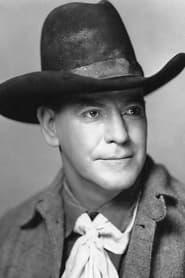
J.P. McGowan
Actor & Director
Born: February 24, 1880 in Sydney, New South Wales, Australia Died: March 26, 1952 Active: 1910-1931 Birth Name: John Peter McGowan
Films
5 films
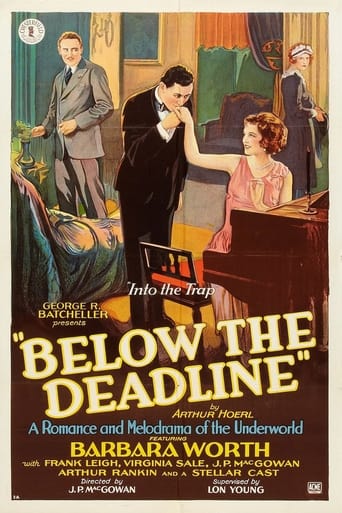
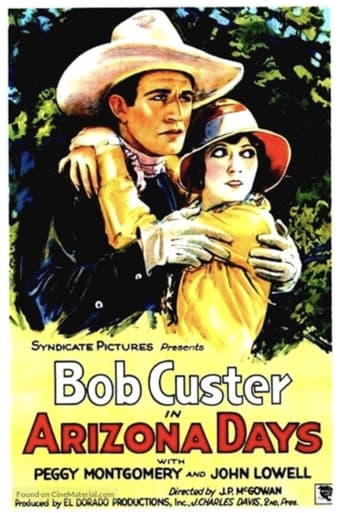
About J.P. McGowan
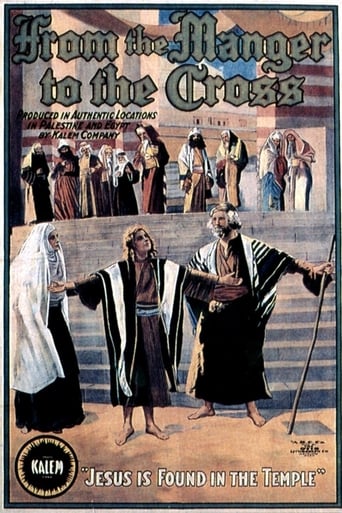
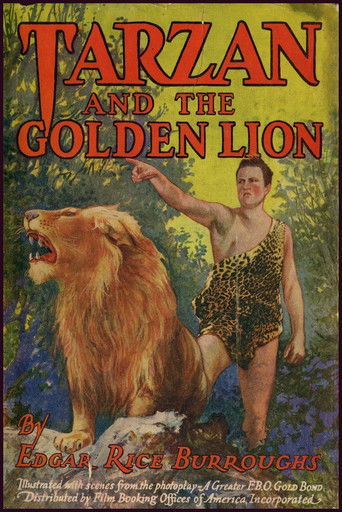
John Peter McGowan — an Australian-American filmmaker who made significant contributions to early cinema during the silent era and transition to sound. Beginning his career as an actor in 1910, he quickly transitioned into directing and became prolific directors of his time, helming over 200 films throughout his career. McGowan was particularly renowned for his work on action serials, most notably the hugely popular 'Hazards of Helen' series which he co-directed with his wife Helen Holmes. His expertise in staging thrilling action sequences and railroad-themed adventures made him a sought-after director in the 1910s and 1920s. Beyond serials, McGowan directed feature films including the Tarzan adventure 'Tarzan and the Golden Lion' (1927) and several westerns. As an actor, he appeared in numerous films including the religious epic 'From the Manger to the Cross' (1912), early feature films. McGowan's the entire silent era and extended into early sound films before his retirement from directing in the early 1930s.
The Craft
On Screen
McGowan — character actor known for his authoritative presence and ability to play villainous or authoritative figures. His acting style was typical of the silent era, emphasizing exaggerated gestures and facial expressions to convey emotion. He often appeared in his own films, leveraging his understanding of both sides of the camera to deliver performances that served the narrative effectively.
Behind the Camera
McGowan was known for his efficient, action-oriented directing style, particularly excelling in staging thrilling sequences involving trains, stunts, and physical danger. His approach was practical and economical, making him a favorite among producers for serial productions. He had a keen eye for visual storytelling and understood how to create suspense and excitement within the technical limitations of early cinema equipment.
Milestones
- Directed over 200 films during his career
- Co-created and directed 'The Hazards of Helen' serial series (1914-1917)
- Married actress Helen Holmes and formed successful professional partnership
- Directed 'Tarzan and the Golden Lion' (1927) starring James Pierce
- Acted in the landmark religious epic 'From the Manger to the Cross' (1912)
- Pioneered action sequences and stunts in early cinema
- Successfully transitioned from silent films to early talkies
Best Known For
Iconic Roles
Must-See Films
Accolades
Special Recognition
- Star on the Hollywood Walk of Fame for contributions to motion pictures
- Recognized as a pioneer of American cinema by film historians
Working Relationships
Worked Often With
Studios
Why They Matter
Impact on Culture
J.P. McGowan played a crucial role in shaping the action and serial film genres during the formative years of American cinema. His work on 'The Hazards of Helen' helped establish the template for action serials that would dominate the 1910s and 1920s, featuring strong female protagonists and thrilling stunt sequences. McGowan's railroad-themed adventures reflected America's fascination with trains and the expansion westward, capturing the spirit of the era. His efficient production methods and understanding of audience appeal influenced how studios approached commercial filmmaking, particularly in the profitable serial market.
Lasting Legacy
McGowan's legacy lies in his contributions to the development of action cinema and film serials, genres that would evolve into modern action films and television series. His work demonstrated the commercial viability of female-led action narratives, particularly through 'The Hazards of Helen' series. While many of his films have been lost to time, film historians recognize him as a significant figure in early Hollywood who helped establish conventions of action filmmaking that continue to influence directors today. His star on the Hollywood Walk of Fame acknowledges his lasting impact on American cinema.
Who They Inspired
McGowan influenced generations of action filmmakers through his innovative approach to staging stunts and creating suspense. His techniques for filming action sequences, particularly those involving moving vehicles and dangerous situations, became standard practices in the industry. The success of his serial productions helped establish the commercial model for episodic storytelling that would later be adapted for television. His work with strong female protagonists in action roles also paved the way for future representations of women in adventure films.
Off Screen
J.P. McGowan was married twice during his lifetime, with his first marriage to actress Helen Holmes being both a personal and professional partnership that significantly influenced his career. The couple collaborated extensively on film projects, particularly 'The Hazards of Helen' series, before their divorce in 1925. He later married actress and screenwriter Ida May Park in 1926, who had been a successful screenwriter at Universal. McGowan was known as a hard-working professional in the film industry, often taking on multiple roles in productions to ensure their success.
Education
Limited formal education; learned filmmaking through practical experience in the early Australian and American film industries
Family
- Helen Holmes (1915-1925)
- Ida May Park (1926-1952)
Did You Know?
- Was one of the few Australian-born directors to achieve significant success in early Hollywood
- Directed over 200 films but most are now considered lost
- Performed many of his own stunts in early films
- Served in the Australian military before entering the film industry
- Was one of the first directors to specialize in action and serial films
- His production company, J.P. McGowan Productions, was active in the 1920s
- Often worked with tight budgets and tight schedules, earning a reputation for efficiency
- Helped popularize the use of real locations instead of studio sets for action sequences
- Was an early adopter of new camera technologies for action filming
- His divorce from Helen Holmes was highly publicized in Hollywood trade papers
In Their Own Words
In serials, you must leave them wanting more - that's the secret of success.
A good action sequence doesn't need dialogue; the pictures tell the story.
The railroad is the perfect setting for drama - it has movement, danger, and romance all in one.
Frequently Asked Questions
Who was J.P. McGowan?
Australian-American actor and on YTB.my.
What films is J.P. McGowan best known for?
Titles linked here include The Hazards of Helen (1914-1917) - Director, From the Manger to the Cross (1912) - Actor.
When was J.P. McGowan born and when did he die?
Born February 24, 1880; died March 26, 1952.
What awards did J.P. McGowan win?
While J.P. McGowan did not receive major film awards during his lifetime, he was honored with a star on the Hollywood Walk of Fame recognizing his significant contributions to American cinema, particularly in the action and serial genres.
What was J.P. McGowan's directing style?
McGowan was known for his efficient, action-oriented directing style, excelling at staging thrilling sequences involving trains, stunts, and physical danger. His approach was practical and economical, making him ideal for serial productions requiring quick turnaround and exciting content.
How many films did J.P. McGowan direct?
J.P. McGowan directed over 200 films during his career, though unfortunately most of these silent era films are now considered lost due to the deterioration of nitrate film stock.
Was J.P. McGowan married to another film star?
Yes, McGowan was married to actress Helen Holmes from 1915 to 1925, and they frequently collaborated professionally, most notably on 'The Hazards of Helen' series. He later married screenwriter Ida May Park in 1926.