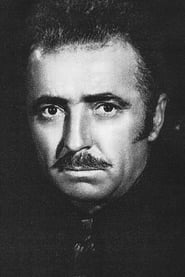
Herman Hack
Actor
Born: January 25, 1881 in Philadelphia, Pennsylvania, USA Died: October 20, 1963 Active: 1931-1958 Birth Name: Herman Joseph Hack
Films
1 film
About Herman Hack
Herman Hack appeared in over 300 films, primarily Westerns, during Hollywood's golden age. Born in 1881 in Philadelphia, he began his film career in the early 1930s and quickly became a familiar face to moviegoers through his frequent appearances as villains, henchmen, and other supporting characters in B-movie Westerns. His imposing physique and distinctive features made him ideal for casting as a heavy in countless productions. Hack worked extensively with popular Western stars of the era including John Wayne, Gene Autry, and Roy Rogers. He continued acting through the 1950s, appearing in both film and television Westerns before retiring from the industry. His nearly three decades, during which he turned up in dozens of Republic and Monogram B-Westerns from the late 1930s through the 1950s, often appearing uncredited but leaving a lasting impression on audiences.
The Craft
On Screen
Hack specialized in portraying menacing villains and henchmen with a distinctive, intimidating presence. His physical stature and stern demeanor made him a perfect antagonist in Western productions. He had a talent for conveying threat through subtle gestures and expressions, often using minimal dialogue to create maximum impact. His ability to embody the archetypal Western villain made him a valuable asset to directors and studios during the golden age of Western cinema.
Milestones
- Appeared in over 300 films
- Became
- Worked with major Western stars including John Wayne, Gene Autry, and Roy Rogers
- Transitioned successfully from film to television Westerns
- Member of John Ford's informal stock company
Best Known For
Iconic Roles
Must-See Films
Accolades
Special Recognition
- Recognized as
Working Relationships
Worked Often With
Studios
Why They Matter
Impact on Culture
Herman Hack contributed significantly to the visual language and archetypes of the Western genre. His consistent presence across hundreds of films helped establish the familiar tropes of Western villainy that audiences came to expect and recognize. As part of the ensemble of character actors who populated Hollywood's Western productions, Hack helped create the immersive world of the American West that defined the genre during its golden age. His work, though often uncredited, was integral to the success of many classic Westerns and helped shape audience perceptions of the Old West in popular culture.
Lasting Legacy
Hack's legacy lies in his remarkable productivity and the indelible mark he left on the Western genre. Film historians and classic cinema enthusiasts recognize him as. His extensive filmography serves as a valuable record of the B-movie Western production system and the ensemble nature of Hollywood filmmaking during the studio era.
Who They Inspired
Hack's work influenced subsequent generations of character actors specializing in Western roles. His ability to create memorable characters with limited screen time demonstrated the importance of supporting players in creating believable film worlds. His career serves as an example of the vital role that character actors played in Hollywood's golden age, providing the texture and authenticity that elevated productions beyond their star performers.
Off Screen
Herman Hack maintained a relatively private personal life away from his extensive film career. He was known as a reliable professional on set, often working long hours on multiple productions simultaneously. Despite his prolific career and recognizable face, he rarely gave interviews and kept details about his family life and personal relationships largely out of the public eye.
Did You Know?
- Appeared in over 300 films, often uncredited
- Was part of what was informally known as the 'John Ford Stock Company'
- Worked consistently through three decades of Hollywood history
- Appeared in both film and television Westerns
- Often played multiple roles in the same film series
- Was
- His distinctive appearance made him a go-to villain for Western directors
- Worked with virtually every major Western star of his era
- Never received top billing but was essential to the success of many productions
- His active years covered the transition from silent films to talkies to television
Frequently Asked Questions
Who was Herman Hack?
Screen credits include over 300 films, primarily Westerns, from 1931 to 1958. He was best known for playing henchmen and villains, becoming.
What films is Herman Hack best known for?
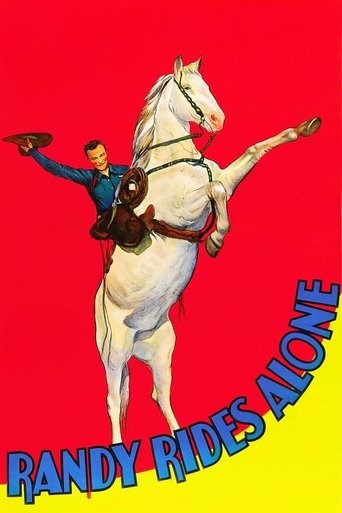
Titles linked here include Randy Rides Alone (1934), The Lone Ranger series.
When was Herman Hack born and when did he die?
Born January 25, 1881; died October 20, 1963.
What awards did Herman Hack win?
Despite his extensive filmography, Herman Hack did not receive major awards or nominations during his career. His contributions were recognized primarily through his consistent employment and the respect of his colleagues in the industry.
What was Herman Hack's acting style?
Hack specialized in portraying menacing villains and henchmen with an intimidating physical presence. He excelled at conveying threat through subtle expressions and gestures, often creating memorable characters with minimal dialogue in his supporting roles.