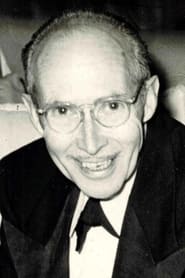
Harry L. Fraser
Director
Born: June 30, 1889 in San Francisco, California, USA Died: April 8, 1974 Active: 1925-1951
Films
2 films
About Harry L. Fraser
American film director, screenwriter, and producer who worked extensively in Hollywood's Poverty Row studio system during the Golden Age of cinema. Beginning his career in the silent film era as an actor, Fraser transitioned to directing in the late 1920s and quickly established himself as a reliable filmmaker specializing in westerns and low-budget genre pictures. Throughout his career, he directed over 60 films, becoming particularly known for his work with future stars like John Wayne in their early careers. Fraser was renowned for his efficiency, often completing entire productions in as little as 5-7 days while maintaining quality entertainment value. His pragmatic approach to filmmaking made him a valuable asset to smaller studios working with severe budget constraints. After retiring from directing, Fraser authored several books about his Hollywood experiences, including his autobiography 'I Went to the Movies,' providing valuable insights into the B-movie production system.
The Craft
Behind the Camera
Fraser's directing style was pragmatic and efficient, well-suited to the low-budget productions he typically worked on. He emphasized clear storytelling and action sequences, particularly in westerns, with straightforward camera work and functional editing that served the narrative rather than pursuing artistic innovation. Fraser was known for completing films quickly and within budget, making him a valuable asset to smaller production companies. Despite the constraints of B-movie production, he managed to create entertaining genre films that found audiences, particularly western enthusiasts. His approach prioritized commercial viability and entertainment value over artistic experimentation.
Milestones
- Directed over 60 films during his career
- Worked with John Wayne in six early westerns
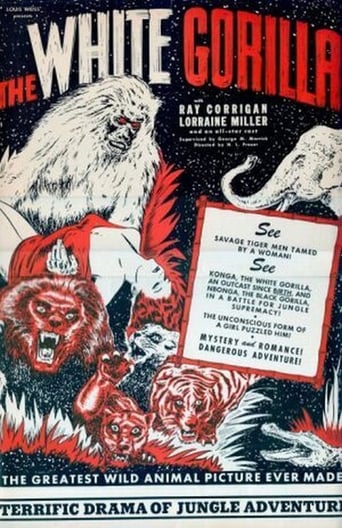
- Directed the cult classic 'The White Gorilla' (1945)
- Successfully transitioned from silent films to talkies
- Wrote autobiography 'I Went to the Movies' about his Hollywood experiences
- Became one of Poverty Row's most reliable directors
- Later became a novelist writing about film industry
Best Known For
Must-See Films
Working Relationships
Worked Often With
Studios
Why They Matter
Impact on Culture
Harry L. Fraser contributed significantly to the development of the B-western genre during the Golden Age of Hollywood. His work helped establish many of the conventions that would define western films for decades, including the lone hero archetype, clear moral divisions, and action-driven narratives. While not considered an auteur director, Fraser's efficient and reliable approach to filmmaking enabled the production of numerous genre films that entertained audiences during the Great Depression and World War II years. His films, particularly those featuring John Wayne, have historical value as examples of early star development in Hollywood. The cult status of films like 'The White Gorilla' demonstrates how even low-budget productions can find lasting appreciation among film enthusiasts and historians.
Lasting Legacy
Harry L. Fraser's legacy lies primarily in his substantial contribution to the B-movie western genre and his role in the early careers of future stars like John Wayne. His memoirs and novels, particularly 'I Went to the Movies,' provide valuable firsthand accounts of working in Hollywood's Poverty Row studio system. While his films were not critically acclaimed during their time, they have gained historical significance as examples of 1930s and 1940s genre filmmaking. Film historians and enthusiasts now study Fraser's work to understand the economics and production methods of Hollywood's secondary studio system. His ability to consistently deliver entertaining films under severe constraints demonstrated remarkable professional skill that deserves recognition in film history.
Who They Inspired
Fraser influenced the development of the B-western formula that would dominate the genre for years, establishing conventions that would appear in countless subsequent westerns. His efficient production methods became a model for directors working with limited resources, particularly in the emerging television western market of the 1950s. While he didn't mentor famous directors who went on to major careers, his work provided early opportunities for many actors who would later become stars. His straightforward approach to genre storytelling influenced countless subsequent western directors, particularly those working in television westerns during the 1950s and 1960s. Fraser's career also serves as an example of how filmmakers could build sustainable careers working outside the major studio system.
Off Screen
Harry L. Fraser married actress and screenwriter Adele Buck, who occasionally collaborated with him on film projects. Together they had one child. Fraser was known in Hollywood as a reliable professional who could deliver completed films on tight schedules and limited budgets, which made him valuable to smaller studios. After retiring from filmmaking, he and his wife lived in California, where he focused on writing novels about his experiences in the film industry. Fraser was respected by his colleagues for his work ethic and ability to maintain quality despite severe production constraints.
Education
No formal film education; learned through practical experience in the film industry
Family
- Adele Buck
Did You Know?
- Fraser directed John Wayne in six films during Wayne's early career before he became a major star
- The White Gorilla (1945) was created by combining new footage with scenes from an earlier 1927 silent film called 'Perils of the Jungle'
- Fraser wrote an autobiography titled 'I Went to the Movies' about his experiences in Hollywood
- He was known for his ability to complete entire films in as little as 5-7 days, a remarkable speed even by B-movie standards
- Fraser often worked as both director and screenwriter on his films to maximize creative control and efficiency
- Many of his westerns were shot at the Iverson Movie Ranch in Chatsworth, California, a popular location for low-budget westerns
- Despite directing over 60 films, very few of Fraser's works survive in complete form today
- He worked with virtually every major Poverty Row studio during his career
- Fraser was one of the few directors who successfully transitioned from silent films to talkies while continuing to work primarily in low-budget productions
- His films often featured elaborate action sequences despite their minimal budgets, thanks to his collaboration with stunt performers like Yakima Canutt
In Their Own Words
On B-movie production: 'We didn't have time for art. We had time for pictures.'
On working with limited budgets: 'When you don't have money, you have to have imagination.'
On John Wayne's early career: 'He had something special even then. You could see it in the way he moved.'
Frequently Asked Questions
Who was Harry L. Fraser?
American on YTB.my. He directed over 60 films throughout his career and was known for his efficiency in completing productions quickly and within budget constraints.
What films is Harry L. Fraser best known for?
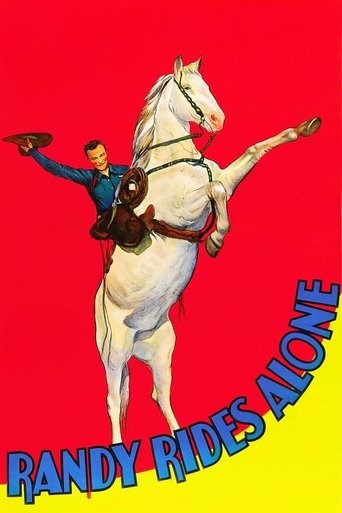
Titles linked here include Randy Rides Alone (1934), The White Gorilla (1945).
When was Harry L. Fraser born and when did he die?
Born June 30, 1889; died April 8, 1974.
What awards did Harry L. Fraser win?
Harry L. Fraser did not receive major awards during his career, which was typical for directors working primarily in B-movies and genre films during the Golden Age of Hollywood.
What was Harry L. Fraser's directing style?
Fraser's directing style was pragmatic and efficient, emphasizing clear storytelling and action sequences. His films were characterized by straightforward camera work and functional editing that served the narrative rather than pursuing artistic innovation.
How did Harry L. Fraser contribute to John Wayne's career?
Fraser directed John Wayne in six films during Wayne's early career before he became a major star. These westerns helped establish Wayne's screen persona and provided him with valuable experience in the genre that would later make him famous.
What was Poverty Row and how was Fraser connected to it?
Poverty Row referred to the small Hollywood studios that produced low-budget B-movies. Fraser was.