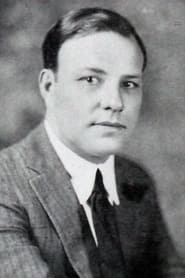
Edward Peil Sr.
Actor
Born: January 18, 1871 in Milwaukee, Wisconsin, United States Died: December 29, 1961 Active: 1913-1942 Birth Name: Edward Joseph Peil
Films
8 films
About Edward Peil Sr.
Prolific American character actor: the silent era through the early sound period of Hollywood. Born in 1871, he began his entertainment career on the stage before transitioning to films in the mid-1910s. Peil quickly established himself as a versatile character actor, frequently cast as villains, authority figures, and antagonists in numerous productions. His imposing presence and distinctive features made him a recognizable face in over 370 films throughout his three-decade career. He worked with many of the era's most prominent directors, including D.W. Griffith, Cecil B. DeMille, and John Ford. Peil successfully made the transition from silent films to talkies, though his roles became smaller as he aged. He continued acting until his retirement in the early 1940s, leaving behind a as one of Hollywood's most reliable supporting players.
The Craft
On Screen
Edward Peil Sr. Was known for his commanding screen presence and ability to portray authority figures and villains with convincing menace. His acting style was typical of the silent era, emphasizing expressive facial features and physical presence to convey emotion and character. Peil had a particular talent for playing stern officials, ruthless businessmen, and menacing antagonists who could effectively convey threat without dialogue. In sound films, he adapted his style to a more naturalistic approach while maintaining his distinctive authoritative presence.
Milestones
- Film debut in 1913 with Universal Studios
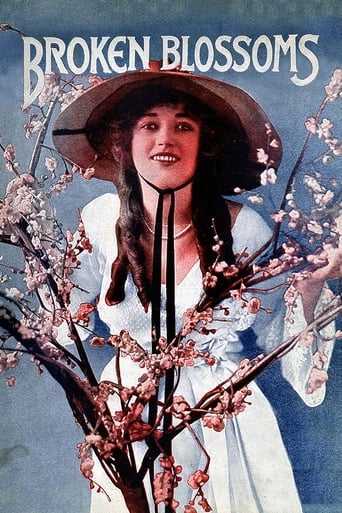
- Breakthrough role in D.W. Griffith's 'Broken Blossoms' (1919)
- Prolific character actor in silent era westerns and dramas
- Successful transition to sound films in late 1920s
- Appeared in over 370 films during his career
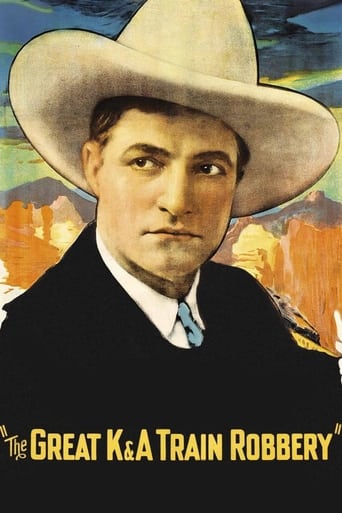
- Notable supporting role in 'The Great K&A Train Robbery' (1926)
- Final film appearance in 1942
Best Known For
Iconic Roles
Must-See Films
Accolades
Special Recognition
- Hollywood Walk of Fame star (6263 Hollywood Boulevard)
Working Relationships
Worked Often With
Studios
Why They Matter
Impact on Culture
Edward Peil Sr. Contributed significantly to the development of the character actor archetype in early Hollywood cinema. His consistent performances helped establish the importance of supporting players in creating believable film worlds. As. His successful transition from silent to sound films demonstrated the adaptability required of actors during this revolutionary period in cinema history.
Lasting Legacy
Edward Peil Sr.'s legacy lies in his remarkable filmography of over 370 productions, making him. His work serves as a valuable record of the evolution of American cinema from the silent era through the golden age of Hollywood. Film historians and classic cinema enthusiasts continue to recognize his contributions to the art of film acting, particularly his ability to create memorable characters with limited screen time. His star on the Hollywood Walk of Fame stands as a permanent tribute to his significant impact on early American cinema.
Who They Inspired
Peil influenced subsequent generations of character actors by demonstrating the value of versatility and reliability in supporting roles. His career showed that actors could build substantial careers without becoming leading stars, paving the way for future character actors. His son, Edward Peil Jr., followed his example and built his own career as a character actor, continuing the family's contribution to Hollywood cinema.
Off Screen
Edward Peil Sr. Was married and had one son who followed in his footsteps to become an actor. He was known in Hollywood circles as a reliable professional who brought consistency to his many roles. Despite his prolific career and frequent villainous roles on screen, Peil was reportedly a kind and gentle family man off-camera. He lived in the Los Angeles area for most of his film career and remained active in the industry until his health necessitated retirement in the early 1940s.
Family
- Lydia G. Peil (1895-1961)
Did You Know?
- Appeared in over 370 films during his 29-year career
- Often confused with his son Edward Peil Jr. Who was also an actor
- Was a stage actor for over a decade before entering films
- Had a distinctive scar on his left cheek that added to his menacing appearance
- Worked with virtually every major star of the silent era
- Was particularly popular in western films where he often played villainous roles
- Made a smooth transition to sound films unlike many silent era actors
- His final film appearance was in 1942's 'Wake Island'
- Received a star on the Hollywood Walk of Fame for his contributions to motion pictures
- Was known for his professionalism and reliability on set
- Often played characters much older than his actual age due to his mature appearance
In Their Own Words
In the silent era, your face had to tell the whole story. Every expression counted.
Being a villain in pictures doesn't make you a villain in life. It's just acting.
I've played every kind of rascal you can imagine, but I've never been arrested in real life.
The transition to sound was challenging, but a good actor learns to adapt.
Frequently Asked Questions
Who was Edward Peil Sr.?
Screen credits include over 370 films from 1913 to 1942, primarily during the silent era and early sound period. He was known for playing villains and authority figures with his distinctive appearance and commanding screen presence.
What films is Edward Peil Sr. Best known for?
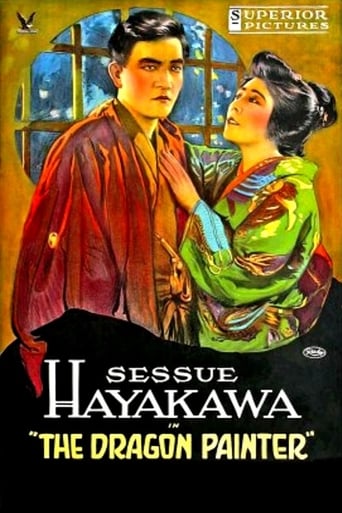
Titles linked here include Broken Blossoms (1919), The Dragon Painter (1919).
When was Edward Peil Sr. Born and when did he die?
Born January 18, 1871; died December 29, 1961.
What awards did Edward Peil Sr. Win?
While Edward Peil Sr. Did not receive major acting awards during his career, he was honored with a star on the Hollywood Walk of Fame at 6263 Hollywood Boulevard in recognition of his significant contributions to motion pictures.
What was Edward Peil Sr.'s acting style?
Peil's acting style was characterized by his commanding presence and ability to portray villains and authority figures with convincing menace. In silent films, he used expressive facial features and physical presence, while adapting to more naturalistic performances in sound films while maintaining his distinctive authoritative demeanor.