Dream Street
"Griffith's London triangle ends on Dream Street."
Keys: Space play/pause · ←/→ 10s · F fullscreen · M mute · </> speed
About this film
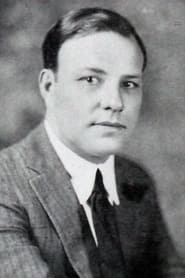
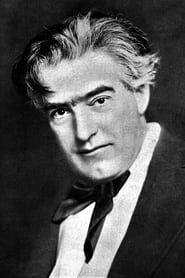
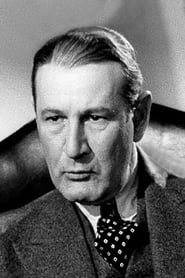
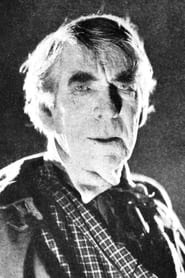
D.W. Griffith's Dream Street intercuts three London suitors—a soldier, an artist, and a boxer—competing for dance-hall singer Gypsy Fair. Shot partly on location near Limehouse and adapted from a Thomas Burke story, the 1921 feature blends class tension with Griffith's late silent-era melodrama.
Cast & crew
More films like this
More Romance films
View all →




More from D.W. Griffith
View all →
More about this film
About the production
Release dateJune 12, 1921
Box officeModerately successful but not a blockbuster; performed below Griffith's previous successes
ProductionD.W. Griffith Productions, United Artists
Filmed inHollywood, California (London was recreated on studio sets), MGM Studios backlot
Griffith built an elaborate London street set costing over $100,000, complete with authentic British props and architecture. The production faced challenges with Carol Dempster's performance, requiring extensive reshoots. Griffith experimented with new lighting techniques to create the moody atmosphere of London's Limehouse district. The film was one of Griffith's first productions after forming his own company following his departure from Famous Players-Lasky.
Themes
Themes & topics
Historical background
Dream Street (1921) reached screens through D.W. Griffith Productions. Exhibitors of the time built silent-era bills that mixed shorts, features, and live acts, so a clear premise helped Dream Street travel between cities and exchange markets.
Why this film matters
Archivists and revival programmers still cite Dream Street (1921) when tracing studio habits, casting pools, and the visual rhetoric audiences once took for granted. Even modest surviving prints help map how Dream Street fit beside competing releases of its day.
Making of
The production of 'Dream Street' marked a significant transition in D.W. Griffith's career as he established his independence from major studios. Griffith invested heavily in creating an authentic London atmosphere, importing British cobblestones and hiring European consultants for set design. The relationship between Griffith and Carol Dempster became a source of tension on set, with Griffith giving her preferential treatment while other cast members felt neglected. The film's extensive reshoots and budget overruns strained Griffith's new production company. Notably, Griffith experimented with early sound technology, recording a synchronized musical score and sound effects that were groundbreaking for 1921, though this version is now considered lost. The production also faced censorship challenges due to its depiction of London's underworld and interracial romance elements.
What critics said
Trade coverage around 1921 discussed Dream Street for pacing, clarity, and program fit rather than blockbuster grosses. Later writers value it as evidence of period style and as a reference point beside other films from the same era.
Did you know?
- This was D.W. Griffith's first film for United Artists, which he co-founded with Charlie Chaplin, Mary Pickford, and Douglas Fairbanks
- Carol Dempster, Griffith's protégé and rumored romantic partner, received top billing despite being relatively unknown
- The film featured an early use of color tinting, with amber tones for day scenes and blue-green for night sequences
- Original prints included a synchronized musical score and sound effects using the Phonofilm system, though most surviving versions are silent
- The Chinese character 'The Yellow Man' was played by white actor Ralph Graves in yellowface, common for the period but controversial today
- Griffith reportedly spent more time on the film's elaborate sets than on directing the actors
- The dance-hall sequences featured authentic period choreography researched by Griffith's team
- A fire at Griffith's studio destroyed some of the original footage, requiring reshoots
- The film was released in both silent and sound versions to accommodate different theaters
- Contemporary critics noted the film's technical achievements but criticized its melodramatic plot
Awards & recognition
- No major awards were recorded for the production
Visual style
The cinematography in 'Dream Street' highlights D.W. Griffith's continued innovation in visual storytelling. Hendrik Sartov served as cinematographer, employing sophisticated lighting techniques to create the moody atmosphere of London's Limehouse district. The film features extensive use of low-key lighting and shadows to enhance the dramatic tension, particularly in night scenes. Griffith experimented with camera movement and unusual angles, including some early examples of tracking shots that followed characters through the elaborate street sets. The production utilized multiple cameras for certain sequences, allowing for more dynamic editing. The film also featured carefully composed deep focus shots, maintaining clarity in both foreground and background elements. Visual motifs, particularly recurring images of street lamps and windows, create symbolic depth throughout the narrative.
Innovations
'Dream Street' featured several technical innovations for its time, most notably its early use of synchronized sound. The Phonofilm system used for the sound version represented a significant step toward the talkie revolution that would transform cinema in the late 1920s. The film's elaborate London street set was a marvel of production design, featuring working gas lamps, cobblestone streets, and detailed facades that could be reconfigured for different scenes. Griffith's team developed new lighting techniques to create authentic London atmosphere, including specialized filters and lighting rigs for night scenes. The production also experimented with multiple camera setups and sophisticated editing techniques that enhanced narrative flow. The film's use of color tinting for different times of day and moods, while not revolutionary, demonstrated the growing sophistication of film presentation techniques in the early 1920s.
Music
The original release of 'Dream Street' featured a synchronized musical score composed by Louis F. Gottschalk, representing one of the earliest examples of feature films with recorded sound. The score utilized the Phonofilm process, which allowed for synchronization of music and sound effects with the projected image. The soundtrack included popular songs of the era, original compositions, and atmospheric sound effects like street noises and crowd sounds. For the dance-hall sequences, contemporary jazz and ragtime music was incorporated to enhance the period authenticity. The musical accompaniment emphasized the film's emotional beats, with romantic themes for love scenes and dramatic motifs for confrontations. Unfortunately, the sound version of the film is believed lost, with only silent versions surviving. Modern screenings typically feature newly composed scores or period-appropriate music.
Famous quotes
In this world of shadows, love is the only light that never fades." - Opening intertitle
The streets may be dirty, but some hearts remain clean." - Gypsy Fair
Love knows no borders, no class, no color - only truth." - Intertitle
In Limehouse, every dream has its price." - Narrator intertitle
Memorable scenes
- The opening sequence establishing the Limehouse district with atmospheric fog and gas-lit streets
- The dance-hall competition where the three suitors attempt to win Gypsy's affection
- The dramatic rooftop confrontation between the American and the prizefighter
- The tender scene between Gypsy and the Chinese shopkeeper in his tea shop
- The final chase through the London streets at dawn
What audiences thought
Audience response to 'Dream Street' was moderate, with the film achieving reasonable box office returns but failing to match the success of Griffith's previous epics. Contemporary theater reports indicated that audiences responded well to the film's visual spectacle and dramatic moments, though some found the pacing slow compared to more action-oriented films of the era. The dance-hall sequences were particularly popular with viewers, showcasing Dempster's performance abilities. The film's exploration of urban poverty resonated with working-class audiences, though its romantic elements appealed more to middle-class viewers. Over time, the film has largely faded from public consciousness, known primarily among silent film enthusiasts and Griffith scholars. Modern audiences who have seen the restored version often express appreciation for its atmospheric qualities while noting its dated elements.
Film connections
Influenced by
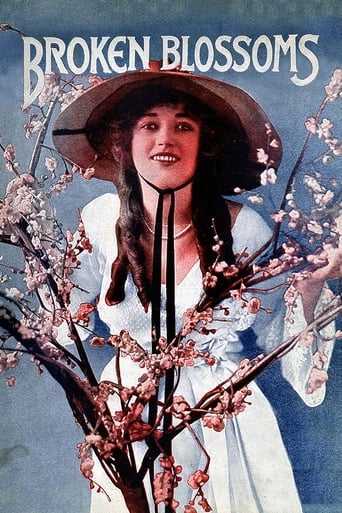
- Broken Blossoms (1919) - Griffith's own earlier film about interracial romance in London
- The Cabinet of Dr. Caligari (1920) - for expressionistic lighting techniques
- Way Down East (1920) - Griffith's previous film exploring similar themes of female virtue
This film influenced
- The Wind (1928) - for its atmospheric depiction of harsh environments
- Sunrise: A Song of Two Humans (1927) - for urban romance themes
- The Crowd (1928) - for its portrayal of urban life
Film restoration
The film is partially preserved with incomplete versions held in several archives. The original sound version is considered lost, while silent versions survive at the Library of Congress, the Museum of Modern Art, and the UCLA Film and Television Archive. The most complete version runs approximately 58 minutes, missing some footage from the original 70-minute release. Some scenes exist only in fragmentary form. The George Eastman Museum holds a restored version with tinted elements. Preservation efforts have been ongoing, though the incomplete nature of surviving materials makes full restoration impossible.
Where to watch
- Available on DVD from Kino Lorber as part of their D.W. Griffith collection
- Streaming on The Criterion Channel (availability varies by region)
- Can be viewed at film archives and special screenings
- Some public domain versions available on YouTube (quality varies)
- Accessible through academic film databases and university collections