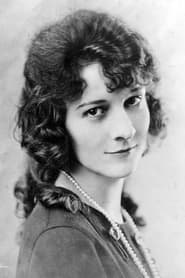
Carol Dempster
Actor
Born: December 9, 1901 in Duluth, Minnesota, USA Died: February 1, 1991 Active: 1919-1926 Birth Name: Carol H. Dempster
Films
11 films
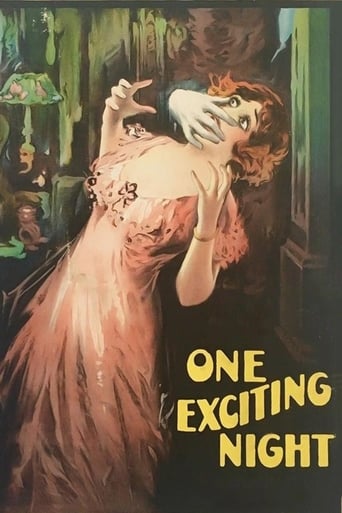
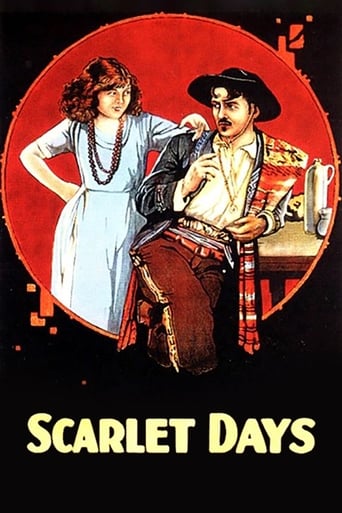
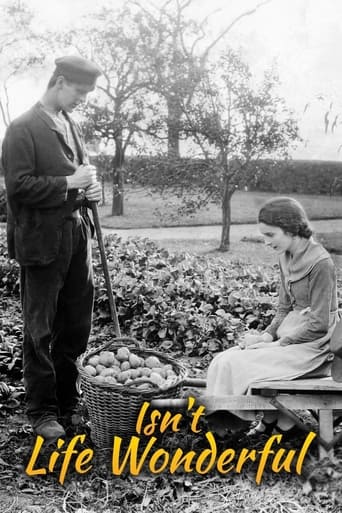
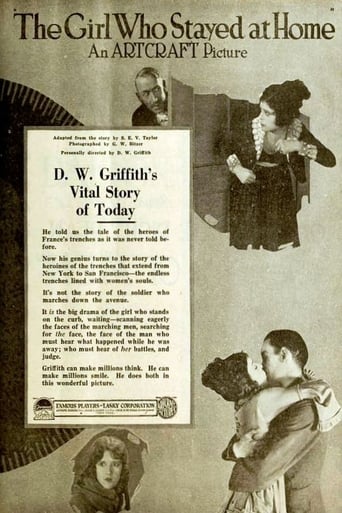
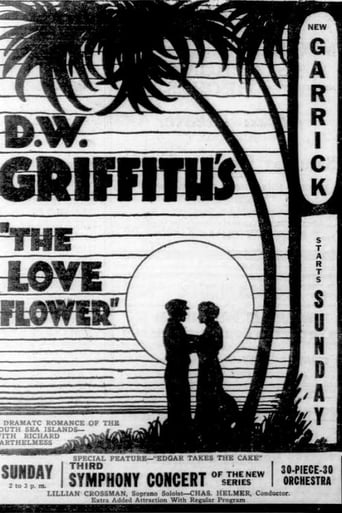

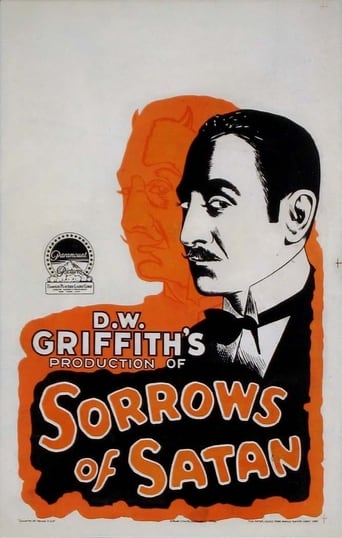
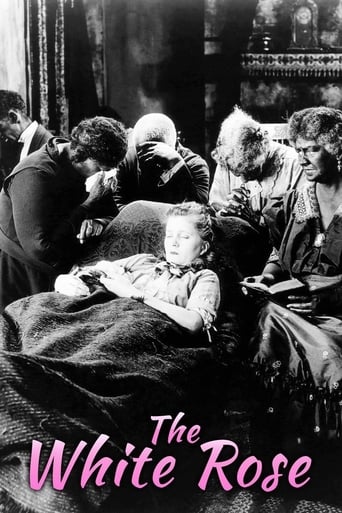
About Carol Dempster
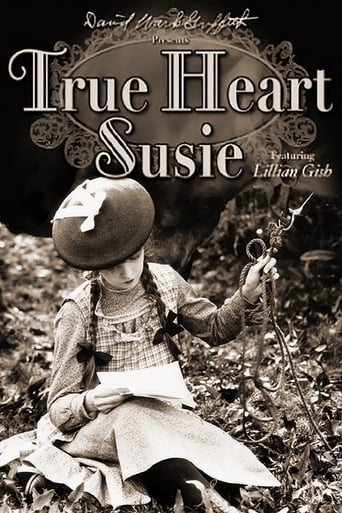
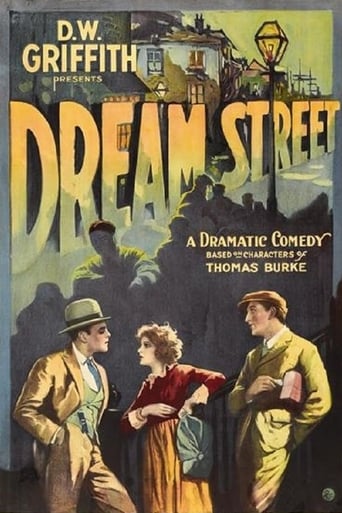
American silent film actress who rose to prominence as the protégée and romantic partner of director D.W. Griffith. Born in Duluth, Minnesota in 1901, she was discovered by Griffith while working as a dancer and quickly became his leading lady in the early 1920s. Dempster starred in numerous Griffith productions including 'True Heart Susie' (1919), 'Dream Street' (1921), and 'Orphans of the Storm' (1921), though her performances were often criticized when compared to Griffith's previous discoveries like Lillian Gish and Mae Marsh. Her career was relatively brief, spanning only seven years from 1919 to 1926, during which she appeared in approximately 20 films. After her relationship with Griffith ended and her film career waned, she retired from acting in 1926 at the young age of 25. Dempster married wealthy banker Edwin S. Larson in 1929 and lived a quiet life away from Hollywood until her death in 1991 at age 89.
The Craft
On Screen
Dempster's acting style was characterized by a more modern, naturalistic approach compared to the exaggerated melodramatic style common in silent films. She employed subtle facial expressions and restrained gestures, which some critics found lacking in emotional intensity. Her performances often featured a gentle, demure quality that suited the ingenue roles Griffith cast her in, though she struggled to convey the dramatic depth required for more complex characters. Critics noted that while technically competent, her screen presence lacked the magnetic intensity of Griffith's previous leading ladies.
Milestones
- Discovered by D.W. Griffith in 1916
- Became Griffith's leading lady in 1919
- Starred in 'True Heart Susie' (1919)
- Appeared in 'Orphans of the Storm' (1921)
- Featured in 'America' (1924)
- Retired from films in 1926 at age 25
Best Known For
Iconic Roles
Must-See Films
Working Relationships
Worked Often With
Studios
Why They Matter
Impact on Culture
Carol Dempster's impact on cinema was primarily as a transitional figure between the first generation of Griffith's leading ladies and the more modern screen personalities of the 1920s. Her career illustrates the changing aesthetic preferences in Hollywood as audiences moved toward the flapper-era actresses who embodied the Jazz Age spirit. While her films were commercially successful during their release, particularly those directed by Griffith, Dempster herself did not achieve the lasting cultural significance of her contemporaries. Her story represents the ephemeral nature of stardom in silent cinema and the powerful influence a single director could have over an actor's career trajectory.
Lasting Legacy
Carol Dempster's legacy in film history is primarily defined by her association with D.W. Griffith and her role in his later works. Though she never achieved the iconic status of Griffith's earlier discoveries like Lillian Gish, her performances in films such as 'True Heart Susie' and 'Orphans of the Storm' remain important examples of late silent-era cinema. Her career serves as a case study in the challenges faced by actors who were closely tied to a single director's vision, particularly as filmmaking styles evolved in the 1920s. Modern film scholars often examine Dempster's work when analyzing Griffith's declining influence and the transition toward more naturalistic acting styles that would dominate sound cinema.
Who They Inspired
Carol Dempster's influence on subsequent actors was minimal due to her relatively short career and the limited critical acclaim she received during her lifetime. However, her more restrained acting style did anticipate the naturalistic approach that would become standard in sound films. Some film historians note that her performances, while criticized in their time, represented an early attempt at moving away from the theatrical gesturing common in early cinema. Her career trajectory also serves as a cautionary tale about the dangers of being too closely associated with a single director's declining career, a lesson that influenced how later actors managed their professional relationships and career development.
Off Screen
Carol Dempster's personal life was marked by her significant relationship with director D.W. Griffith, which began when she was just 15 years old and he was 45. Their professional and romantic partnership lasted throughout her film career, though Griffith never divorced his wife Linda Arvidson. After retiring from films, Dempster married Edwin S. Larson, a wealthy banker from San Diego, in 1929, and they remained married until his death. The couple had no children, and Dempster lived a quiet life away from the public eye, rarely granting interviews about her Hollywood years. She spent her later years in La Jolla, California, maintaining her privacy until her death in 1991.
Education
Limited information available; received some formal education in Minnesota before moving to New York to pursue dancing
Family
- Edwin S. Larson (1929-1975)
Did You Know?
- Was discovered by D.W. Griffith at age 15 while working as a dancer
- Griffith reportedly delayed her film debut for three years to train her personally
- Her relationship with Griffith began when she was a teenager and he was in his 40s
- Often criticized unfairly for not matching the performances of Griffith's previous leading ladies
- Received a salary of $75 per week from Griffith, considered generous at the time
- Made her film debut at age 18 in 'The Girl Who Stayed at Home'
- Appeared in both silent and early sound versions of 'Dream Street' (1921)
- Retired from acting just as the transition to sound films was beginning
- After retirement, she never returned to acting and rarely spoke of her Hollywood career
- Her marriage to Edwin Larson provided her with financial security for the rest of her life
In Their Own Words
I was very young when I met Mr. Griffith, and he was everything to me - teacher, friend, and director
The camera doesn't lie, and I learned that from the greatest teacher of all
I never regretted my time in films, but I was ready for a different kind of life when I left
Working with Griffith was like attending the best film school in the world
Frequently Asked Questions
Who was Carol Dempster?
American silent film actress best known as D.W. Griffith's protégée and leading lady in the early 1920s. She appeared in approximately 20 films between 1919 and 1926 before retiring at age 25 to marry a wealthy banker.
What films is Carol Dempster best known for?
Titles linked here include True Heart Susie (1919), Orphans of the Storm (1921).
When was Carol Dempster born and when did she die?
Born December 9, 1901; died February 1, 1991.
What awards did Carol Dempster win?
Carol Dempster did not receive any major film awards during her career, as the Academy Awards were not established until after she had retired from acting in 1926.
What was Carol Dempster's acting style?
Dempster employed a more naturalistic and restrained acting style compared to the melodramatic approach common in silent films. Critics noted her subtle expressions and gentle demeanor, though some found her performances lacking in dramatic intensity.
Why did Carol Dempster retire so young?
Dempster retired from acting in 1926 at age 25, likely due to waning career opportunities and her desire to marry Edwin Larson, a wealthy banker. Her relationship with Griffith had also ended, and she may have recognized that her film career had peaked.
How did Carol Dempster meet D.W. Griffith?
Dempster met Griffith when she was 15 years old while working as a dancer in New York. Griffith discovered her and took her under his wing, personally training her for three years before her film debut.