Tyrone Power Sr.
Actor
Born: May 2, 1869 in London, England Died: December 23, 1931 Active: 1887-1931 Birth Name: Frederick Tyrone Edmond Power
Films
5 films

About Tyrone Power Sr.
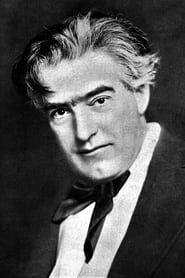
Tyrone Power Sr., born Frederick Tyrone Edmond Power, was a stage and silent film actor who represented the bridge between Victorian theater and early Hollywood cinema. Beginning his career on the legitimate stage at age 18, he honed his craft in numerous theatrical productions before making the transition to motion pictures in the 1910s. Power established himself as a reliable character actor during the silent era, frequently cast in authoritative, paternal, or villainous roles that capitalized on his commanding presence and theatrical training. He worked with directors including D.W. Griffith, appearing in significant early films that helped shape the language of cinema. His film career, while not as extensive as his stage work, was influential during the transitional period when Hollywood was establishing itself as the center of film production. Power continued performing in both mediums until his health declined in the early 1930s, leaving behind a legacy that would be carried on by his son, Tyrone Power, who became one of Hollywood's most celebrated leading men.
The Craft
On Screen
Power's acting style was rooted in classical theatrical tradition, characterized by grand gestures, commanding stage presence, and deliberate diction that translated effectively to silent film. His performances emphasized emotional expressiveness through body language and facial expressions, essential for the silent medium. Unlike many contemporaries who struggled with the transition from stage to screen, Power adapted his theatrical approach to suit the camera's intimate nature while maintaining his dramatic intensity.
Milestones
- Stage debut at age 18 in London
- Transition to American theater in 1900s
- Film debut in early 1910s
- Collaboration with D.W. Griffith
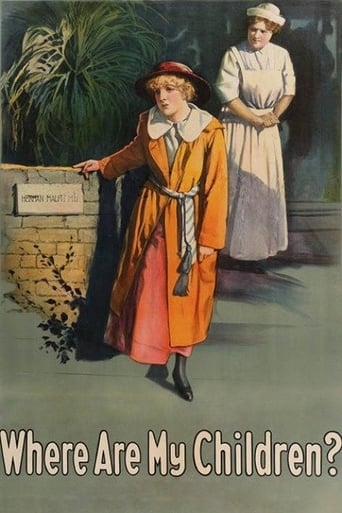
- Notable role in 'Where Are My Children?' (1916)
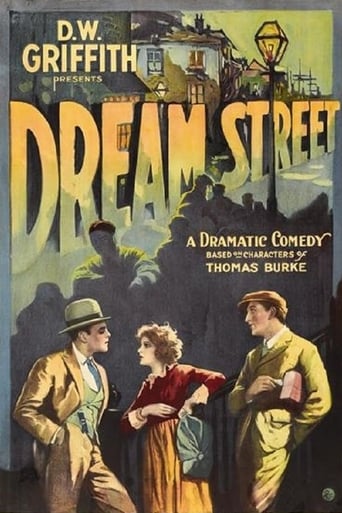
- Performance in 'Dream Street' (1921)
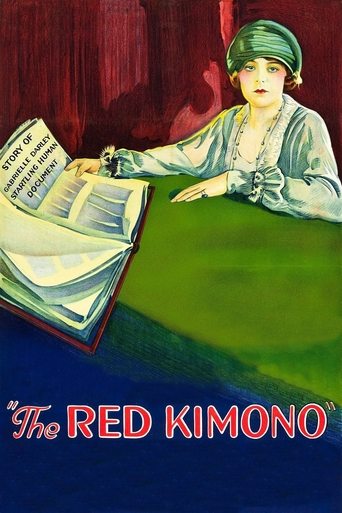
- Role in controversial 'The Red Kimona' (1925)
- Mentored son Tyrone Power's early career
Best Known For
Iconic Roles
Must-See Films
Accolades
Special Recognition
- Star on Hollywood Walk of Fame (posthumous)
Working Relationships
Worked Often With
Studios
Why They Matter
Impact on Culture
Tyrone Power Sr. Represents an important transitional figure in cinema history, embodying the shift from Victorian stage performance to early film acting. His career trajectory mirrored the broader movement of legitimate theater actors into the burgeoning film industry during the 1910s and 1920s. As a British actor who successfully transitioned to American cinema, he contributed to the internationalization of early Hollywood. His work in socially conscious films like 'Where Are My Children?' demonstrated cinema's emerging role as a medium for addressing contemporary social issues. Power's theatrical background helped establish a tradition of serious dramatic acting in film that would influence subsequent generations of performers.
Lasting Legacy
While Tyrone Power Sr.'s individual films are not widely remembered today, his legacy endures through his contribution to the establishment of professional acting standards in early Hollywood and his role as patriarch of one of cinema's most famous acting families. He represented the classically trained actor who brought legitimacy and gravitas to the new medium of film. His son Tyrone Power became. The Power family name became synonymous with Hollywood glamour and talent, with Tyrone Sr. Laying the foundation for this enduring legacy.
Who They Inspired
Power influenced the development of film acting by demonstrating how theatrical techniques could be adapted for the camera without losing dramatic impact. His work with directors helped establish conventions for screen acting that balanced theatrical expressiveness with cinematic naturalism. Through his son, his approach to acting influenced the next generation of Hollywood leading men, who often blended theatrical training with film-specific techniques. His career served as a model for other stage actors considering the transition to film during cinema's formative years.
Off Screen
Power was born into a theatrical family in London and maintained the family tradition throughout his life. He married three times: first to Helen Emma 'Patia' Riaume from 1898 to 1911, then briefly to Edith Crane in 1911 who died the same year, and finally to Mary 'Molly' Iola Folger from 1921 until his death. He was the father of two children, including the future Hollywood star Tyrone Power. Power struggled with health issues in his later years, including heart problems that ultimately led to his death at age 62. Despite his success, he was known as a humble, dedicated actor who prioritized his craft over celebrity status.
Education
Educated in London schools, trained for the stage through apprenticeship in theater companies
Family
- Helen Emma 'Patia' Riaume (1898-1911)
- Edith Crane (1911-1911)
- Mary 'Molly' Iola Folger (1921-1931)
Did You Know?
- Born into a theatrical family with his father being a concert pianist
- Made his stage debut in 1887 at age 18
- Was of Irish descent
- Appeared in over 50 films during his career
- Worked with D.W. Griffith on multiple occasions
- His son initially used 'Tyrone Power Jr.' but dropped the 'Jr.' when his father retired
- Was a contemporary of John Barrymore and other stage actors who transitioned to film
- His grandson Tyrone Power Jr. Also became an actor
- Died of a heart attack at age 62
- Was known for his versatility in playing both heroic and villainous roles
In Their Own Words
The stage is my first love, but the camera has its own magic.
Acting is not about being famous, it's about being truthful in your performance.
Frequently Asked Questions
Who was Tyrone Power Sr.?
British-American stage and silent film with credits in this catalog. He was the father of the more famous Hollywood star Tyrone Power and represented the transition from Victorian theater to early cinema.
What films is Tyrone Power Sr. Best known for?
Titles linked here include Where Are My Children? (1916), Dream Street (1921).
When was Tyrone Power Sr. Born and when did he die?
Born May 2, 1869; died December 23, 1931.
What awards did Tyrone Power Sr. Win?
During his era, formal acting awards were not as established as they are today. He received a posthumous star on the Hollywood Walk of Fame recognizing his contributions to film.
What was Tyrone Power Sr.'s acting style?
His acting style was rooted in classical theatrical tradition, characterized by grand gestures and commanding presence that he successfully adapted for silent film. He was known for his ability to convey emotion effectively through body language and facial expressions.
How was Tyrone Power Sr. Related to the famous actor Tyrone Power?
Tyrone Power Sr. Was the father of the famous Hollywood leading man Tyrone Power (1914-1958), who became one of the biggest stars of Golden Age Hollywood in the 1940s and 1950s.