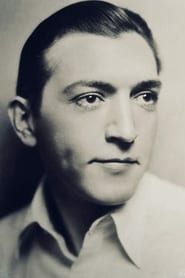
Charles Emmett Mack
Actor
Born: November 25, 1900 in Scranton, Pennsylvania, United States Died: March 17, 1927 Active: 1916-1927
Films
6 films


About Charles Emmett Mack
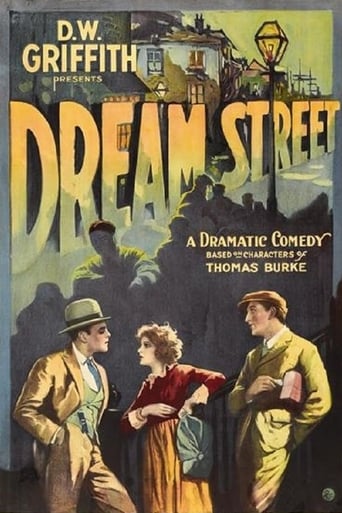
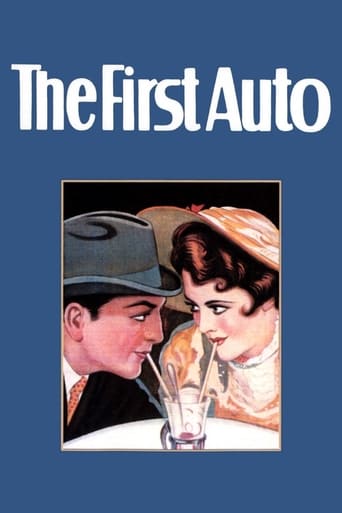
Promising young American actor of the silent film era: career was tragically cut short at the height of his potential. Born in Scranton, Pennsylvania, Mack began his career as a child actor before being discovered by director D.W. Griffith, who became his mentor and frequent collaborator. Mack's boyish charm and natural screen presence made him a popular supporting actor in Griffith's ensemble casts, appearing in notable productions like 'Dream Street' (1921) and the epic historical drama 'America' (1924). His breakthrough came with leading roles in films such as 'The First Auto' (1927), where he showcased his range beyond the typical juvenile roles he had been typecast in. Mack was considered one of Hollywood's most promising young talents, with studio executives predicting a long and successful career ahead. Tragically, his life and career were cut short on March 17, 1927, when he died in a car accident in Fresno, California, at the age of 26, while en route to a location shoot. His final film, 'Old San Francisco' (1927), was released posthumously, serving as a poignant reminder of the talent that Hollywood had lost far too soon.
The Craft
On Screen
Mack was known for his naturalistic acting style that transitioned well from the theatrical conventions of early silent cinema to more subtle, realistic performances. He possessed a boyish charm and earnestness that made him particularly effective in coming-of-age stories and as the romantic lead. His screen presence was characterized by expressive eyes and an ability to convey complex emotions through subtle gestures, a skill that set him apart from many of his contemporaries who relied on more exaggerated pantomime techniques.
Milestones
- Discovered by D.W. Griffith as a teenager
- Breakthrough role in 'Dream Street' (1921)
- Leading role in Griffith's epic 'America' (1924)
- Starred in 'The First Auto' (1927)
- Posthumous release of 'Old San Francisco' (1927)
Best Known For
Iconic Roles
Must-See Films
Accolades
Special Recognition
- Posthumous star on the Hollywood Walk of Fame (for contributions to motion pictures)
Working Relationships
Worked Often With
Studios
Why They Matter
Impact on Culture
Charles Emmett Mack's impact on cinema, though brief, represents the tragic loss of potential talent during Hollywood's transitional period from silent to sound films. As one of D.W. Griffith's protégés, Mack was part of the lineage of actors trained by one of cinema's directors, representing the bridge between early film techniques and more naturalistic acting styles that would become standard in the sound era. His death at age 26 was widely mourned in Hollywood and served as a cautionary tale about the dangers facing young stars during the wild early days of automobile culture in California. Mack's films, particularly 'America,' remain important examples of Griffith's later work and showcase the acting evolution taking place in silent cinema during the mid-1920s.
Lasting Legacy
Charles Emmett Mack's legacy is that of a 'what might have been' star of silent cinema. His brief filmography shows his natural talent and the promise he showed as an actor transitioning from juvenile roles to mature leading man status. Film historians often cite Mack as an example of the many promising careers cut short during the early days of Hollywood, when safety standards were lax and young stars often lived fast-paced lifestyles. His performances survive as valuable artifacts of silent era acting techniques and the mentorship system that dominated early Hollywood studio structures. Mack's story is frequently included in documentaries and books about Hollywood tragedies and the lost potential of silent film actors who didn't make the transition to sound.
Who They Inspired
While his career was too brief for Mack to have directly influenced subsequent generations of actors, his work with D.W. Griffith contributed to the evolution of more naturalistic acting styles in silent cinema. His performances demonstrated the shift away from the exaggerated gestures of early film toward more subtle, psychologically complex characterizations that would become standard in the sound era. Mack's trajectory from juvenile roles to leading man status also illustrated the changing patterns in Hollywood casting during the 1920s, as studios began seeking more mature, nuanced performances from their young actors.
Off Screen
Charles Emmett Mack was known as a dedicated professional and rising star in Hollywood during the 1920s. He was described by colleagues as humble and hardworking, despite his growing fame. Mack never married and had no children, focusing entirely on his burgeoning career. He was particularly close to his mentor D.W. Griffith, who treated him like a son and had big plans for his future in films. Mack was also known for his love of automobiles, which tragically contributed to his untimely death in a car accident.
Education
Limited formal education due to early entry into acting; received on-the-job training in film production under D.W. Griffith's mentorship
Did You Know?
- Died in a car accident at age 26 while driving to a film location
- Was discovered by D.W. Griffith while working as a page boy
- His final film 'Old San Francisco' was released after his death
- Griffith considered Mack his most promising discovery
- Never made a transition to talkies due to his untimely death
- Was known for his skill with automobiles, both on and off screen
- His death occurred just months before the release of
- The Jazz Singer' changed cinema forever',
- Mack was one of the few actors Griffith personally mentored and promoted
- His funeral was attended by many of Hollywood's biggest stars of the era
- Mack's death was one of several early Hollywood car accident fatalities that led to increased safety awareness
In Their Own Words
I owe everything to Mr. Griffith. He's not just my director, he's my teacher and my friend.
The motion picture business is not just entertainment, it's art, and I want to be part of creating that art.
Frequently Asked Questions
Who was Charles Emmett Mack?
Promising American silent film actor active from 1916 to 1927, best known for his work with on YTB.my.W. Griffith. His career was cut short when he died in a car accident at age 26, just as he was transitioning from juvenile roles to leading man status.
What films is Charles Emmett Mack best known for?
Titles linked here include America (1924), Dream Street (1921).
When was Charles Emmett Mack born and when did he die?
Born November 25, 1900; died March 17, 1927.
What awards did Charles Emmett Mack win?
During his brief career, Mack did not receive any major awards or nominations, as his life was cut short before he could achieve the recognition his talent promised. He did receive a posthumous star on the Hollywood Walk of Fame for his contributions to motion pictures.
What was Charles Emmett Mack's acting style?
Mack was known for his naturalistic acting style that represented the transition from theatrical silent film techniques to more subtle, realistic performances. He was particularly effective at conveying emotions through expressive eyes and subtle gestures rather than exaggerated pantomime.
How did Charles Emmett Mack die?
Mack died in a car accident on March 17, 1927, while driving to a film location in Fresno, California. His death was particularly tragic as it occurred just as his career was gaining momentum and he was being groomed for stardom by D.W. Griffith.
What was Charles Emmett Mack's relationship with D.W. Griffith?
Mack was discovered and mentored by legendary director D.W. Griffith, who considered him one of his most promising discoveries. Griffith treated Mack like a son and had planned major starring roles for him, seeing in Mack the potential to become one of Hollywood's leading actors.