
The First Auto
"Horse meets automobile"
Keys: Space play/pause · ←/→ 10s · F fullscreen · M mute · </> speed
About this film
Father and son clash when automobiles replace horses in a 1927 transition comedy. The transition from horses to automobiles at the turn of the century causes problems between a father and son.
Cast & crew
More Comedy films
View all →






More from Roy Del Ruth
View all →
More about this film
About the production
Release dateOctober 1, 1927
ProductionWarner Bros. Pictures
Filmed inWarner Brothers Studio, Burbank, California
The film was produced during the transition from silent films to sound, featuring a synchronized musical score and sound effects using the Vitaphone system. Real antique automobiles from the turn of the century were sourced for authenticity. Barney Oldfield, a famous real-life race car driver, was brought in not only for his technical expertise but also to lend authenticity to the racing sequences.
Themes
Generational conflictTechnological progress vs. traditionThe American automobile revolutionFather-son relationshipsModernization and social change
Themes & topics
automobilehorsefather son relationshiprace car drivertechnological changeturn of the centuryracingfamily conflictprogressnostalgia
Historical background
1927 placed The First Auto within United States cinema as Warner Bros. Pictures navigated wartime markets, immigration audiences, and the shift from intertitles to sound.
Why this film matters
Archivists revisit The First Auto (1927) for Roy Del Ruth style, genre norms at Warner Bros. Pictures, and the exhibition context of 68 minutes programming.
Making of
The production of 'The First Auto' was a significant undertaking for Warner Bros. as they were investing heavily in their Vitaphone sound-on-disc technology. The studio brought in actual vintage automobiles and consulted with automotive historians to ensure historical accuracy. Barney Oldfield's involvement was crucial not just for his star power but for his technical knowledge of early automobiles. The racing sequences required careful choreography and safety measures, as the vintage cars were both valuable and potentially dangerous to operate. The film was shot during a transitional period in Hollywood, with many crew members still learning to work with sound equipment while maintaining the visual storytelling techniques of the silent era.
What critics said
Retrospective writing on The First Auto stresses craft by Roy Del Ruth, print survival, and repertory value rather than opening-week gross alone.
Did you know?
- Barney Oldfield, who plays himself in the film, was widely known race car drivers of the early 20th century and was known as the 'Speed King' of his era.
- The film was one of Warner Bros.' early Vitaphone productions, featuring a synchronized musical score and sound effects, though it was not a full 'talkie'.
- Charles Emmett Mack, who played the son, tragically died in a car accident just a few months after the film's release at the age of 26.
- Many of the vintage automobiles shown in the film were actual cars from the 1890s and early 1900s, sourced from collectors and museums.
- The film was released just months before 'The Jazz Singer' revolutionized cinema with synchronized dialogue, making it part of the final wave of major silent-era productions.
- Director Roy Del Ruth would go on to direct over 100 films and transition successfully into sound pictures.
- The film's title was originally 'The Horseless Carriage' but was changed to 'The First Auto' for marketing purposes.
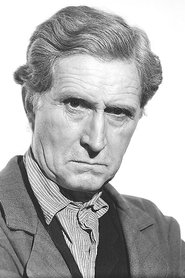
- Russell Simpson, who plays the father, would later become famous for his role as Pa Joad in John Ford's 'The Grapes of Wrath' (1940).
- The racing sequences were filmed on location at a specially constructed track on the Warner Bros. backlot.
- The film was considered moderately successful upon release, capitalizing on the public's fascination with automobiles.
Visual style
The cinematography by Devereaux Jennings captured the contrast between the old and new eras, using traditional framing for the horse-drawn carriage scenes and more dynamic camera movement for the automobile sequences. The racing scenes employed innovative tracking shots and multiple camera angles to convey the speed and excitement of early automobile racing. Jennings made effective use of natural light in outdoor scenes and created a warm, nostalgic visual style that suited the film's historical setting.
Innovations
As an early Vitaphone production, 'The First Auto' represented a significant technical achievement in synchronized sound. The film successfully coordinated a full musical score and sound effects with the visual action, requiring precise timing during both filming and projection. The production team solved the challenge of recording authentic early automobile sounds, which were difficult to reproduce in the studio. The racing sequences demonstrated advanced techniques for capturing high-speed action on film, using multiple cameras and careful planning to ensure both safety and visual excitement.
Music
The film featured a synchronized musical score and sound effects using Warner Bros.' Vitaphone system. The score was composed by Louis Silvers, who created music that reflected the transition from the 19th to the 20th century, incorporating both traditional melodies and more modern, rhythmic pieces for the automobile sequences. Sound effects included horse hooves, carriage wheels, engine noises, and the distinctive sounds of early automobiles starting and running, all synchronized to the on-screen action.
Famous quotes
Times are changing, Amos. The horseless carriage is here to stay!
You can't stop progress, father. You can only choose whether to be part of it.
There's something magical about these machines. They're not just transportation - they're the future!
Memorable scenes
- The climactic race between the horse-drawn carriage and the newly built automobile, representing the symbolic transition between eras; The tender father-son moment where they reconcile their differences; The sequence showing the step-by-step construction of the first automobile, with Barney Oldfield providing technical guidance; The chaotic town square scene where automobiles first arrive, causing confusion and excitement among the townspeople.
What audiences thought
Audiences in 1927 responded positively to the film's nostalgic appeal and exciting racing sequences. The timing was perfect as many viewers had personal memories of or family stories about the transition from horses to automobiles. Barney Oldfield's presence as himself added to the film's appeal for audiences familiar with his racing fame. The film performed modestly at the box office, benefiting from the public's fascination with both automobiles and the new sound technology being introduced in theaters.
Film connections
Influenced by
- The General (1926)
- The Crowd (1928)
- Sunrise: A Song of Two Humans (1927)
This film influenced
- The Speed Queen (1928)
- The Racing Strain (1928)
- Wheels of Progress (1927)
Film restoration
The film is preserved in the Warner Bros. archive and has been restored by the UCLA Film and Television Archive. While not widely available on home video, copies exist in film archives and have occasionally been screened at classic film festivals. The restoration work has preserved both the visual elements and the Vitaphone soundtrack, maintaining the film's original audio-visual presentation.
Where to watch
- The film is occasionally broadcast on Turner Classic Movies (TCM)
- Available through some classic film streaming services specializing in silent cinema
- Can be viewed at film archives and museums including the UCLA Film & Television Archive
- Screened at select classic film festivals and silent film events