William Demarest
Actor
Born: February 27, 1892 in St. Paul, Minnesota, USA Died: December 28, 1983 Active: 1926-1978 Birth Name: Carl William Demarest
Films
3 films
About William Demarest
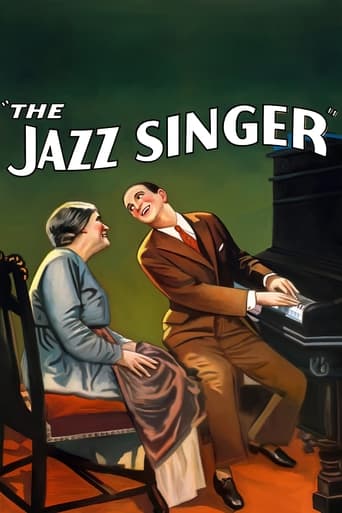
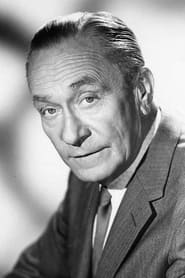
Prolific American character actor: over six decades, from the silent era through the Golden Age of Hollywood and into television. Born in St. Paul, Minnesota, he began his entertainment career in vaudeville as a teenager before transitioning to films in the 1920s. Demarest quickly established himself as a reliable supporting actor, appearing in numerous silent films including the landmark 'The Jazz Singer' (1927). His distinctive gravelly voice and cantankerous persona made him a perfect fit for the transition to sound pictures, where he excelled in comic and dramatic roles. He became a favorite collaborator of director Preston Sturges, appearing in seven of his films including 'The Lady Eve' and 'Sullivan's Travels'. After his film career waned in the 1950s, Demarest successfully transitioned to television, most famously playing Uncle Charley O'Casey in the popular sitcom 'My Three Sons'. His final film appearance was in 'The Gnome-Mobile' (1967), capping a remarkable career that encompassed over 200 film and television appearances.
The Craft
On Screen
Demarest was known for his distinctive gravelly voice and his ability to portray cantankerous, world-weary characters with underlying warmth. His acting style combined sharp comic timing with genuine emotional depth, often playing gruff but lovable authority figures. He had a remarkable ability to deliver rapid-fire dialogue with perfect timing, making him especially valuable in screwball comedies. His physical comedy skills, honed in vaudeville, allowed him to excel in both verbal and visual humor.
Milestones
- Appeared in the first feature-length 'talkie' film 'The Jazz Singer' (1927)
- Became Preston Sturges' favorite character actor, appearing in 7 of his films
- Received Academy Award nomination for Best Supporting Actor for 'The Jolson Story' (1946)
- Successfully transitioned to television as Uncle Charley in 'My Three Sons' (1965-1972)
- Served in the U.S. Army during World War I
- Began career in vaudeville at age 13
Best Known For
Iconic Roles
Must-See Films
Accolades
Won
- Academy Award nomination for Best Supporting Actor for 'The Jolson Story' (1946)
- Golden Boot Award (1983)
Nominated
- Academy Award for Best Supporting Actor for 'The Jolson Story' (1946)
- Emmy Award nomination for Outstanding Performance by an Actor in a Supporting Role in Comedy for 'My Three Sons' (1966)
Special Recognition
- Hollywood Walk of Fame star (1960)
- Golden Boot Award for contributions to Western films (1983)
- Inducted into the Western Performers Hall of Fame
Working Relationships
Worked Often With
Studios
Why They Matter
Impact on Culture
William Demarest played a significant role in the transition from silent films to talkies, appearing in the landmark 'The Jazz Singer' which revolutionized cinema. His work with Preston Sturges helped define the American screwball comedy genre, with his distinctive performances becoming archetypes for the gruff but lovable character. His successful transition to television demonstrated how classic Hollywood actors could adapt to the new medium, paving the way for other film actors to find success on the small screen. His portrayal of Uncle Charley in 'My Three Sons' helped establish the template for the wise-cracking but caring elder character in family sitcoms.
Lasting Legacy
Demarest left behind a legacy as one of Hollywood's most reliable and recognizable character actors. His ability to blend comedy with pathos influenced generations of character actors who followed. His extensive filmography serves as a comprehensive record of American cinema from the late silent era through the studio system's golden age. His work preserved the vaudeville tradition in American film and television, maintaining the art of physical and verbal comedy for new audiences. His performances remain studied examples of character acting excellence.
Who They Inspired
Demarest influenced countless character actors through his distinctive style of playing curmudgeonly characters with underlying warmth. His work with Preston Sturges set a standard for ensemble comedy performances. His successful television career demonstrated how film actors could transition to the new medium, influencing many of his contemporaries. His portrayal of authority figures who were both stern and sympathetic became a template for similar characters in film and television for decades.
Off Screen
William Demarest was married three times throughout his life. He served in the United States Army during World War I, which interrupted his early entertainment career. Despite his long career in Hollywood, he maintained a relatively private personal life. He was known among his colleagues as a professional and reliable actor who brought his vaudeville work ethic to every production. In his later years, he retired to Palm Desert, California, where he lived until his death at age 91.
Education
Attended local schools in St. Paul, Minnesota; left formal education to pursue vaudeville career at age 13
Family
- Estelle Zimand (1926-1930)
- Lucille Thayer (1931-1935)
- Rosalind Thorne (1939-1983)
Did You Know?
- Was one of the few actors to successfully transition from silent films to television
- Served in the U.S. Army during World War I and was gassed in combat
- Began performing in vaudeville at age 13 with his brother
- Appeared in seven films directed by Preston Sturges, more than any other actor
- His distinctive gravelly voice was the result of being gassed during WWI
- Was originally considered for the role of Grandpa in 'The Waltons' before Will Geer was cast
- Made his film debut in a short called 'The Jolly Jailer' (1926)
- Was a skilled dancer and singer from his vaudeville days
- His final film appearance was in Disney's 'The Gnome-Mobile' (1967)
- Received his star on the Hollywood Walk of Fame in 1960
- Was a close friend of fellow character actor Edgar Buchanan
- Often played characters much older than his actual age
In Their Own Words
I've been playing old men since I was 30 years old
In vaudeville, you learned to be funny or you starved
The secret to playing a curmudgeon is to let the audience see the heart underneath
Working with Preston Sturges was like being in a comedy laboratory
Television gave me a second career when I thought my movie days were over
Frequently Asked Questions
Who was William Demarest?
Prolific American character with credits in this catalog. He was known for his distinctive gravelly voice and for playing cantankerous but lovable characters in over 200 film and television productions.
What films is William Demarest best known for?
Titles linked here include The Jazz Singer (1927), The Lady Eve (1941).
When was William Demarest born and when did he die?
Born February 27, 1892; died December 28, 1983.
What awards did William Demarest win?
Demarest received an Academy Award nomination for Best Supporting Actor for 'The Jolson Story' (1946) and won a Golden Boot Award in 1983 for his contributions to Western films. He also received a star on the Hollywood Walk of Fame in 1960.
What was William Demarest's acting style?
Demarest was known for his distinctive gravelly voice and his ability to portray cantankerous characters with underlying warmth. His style combined sharp comic timing honed in vaudeville with genuine emotional depth, making him particularly effective in screwball comedies and dramatic supporting roles.