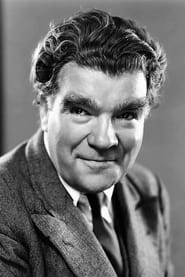
Gibson Gowland
Actor
Born: December 4, 1877 in Spennymoor, County Durham, England Died: September 9, 1951 Active: 1919-1929
Films
8 films
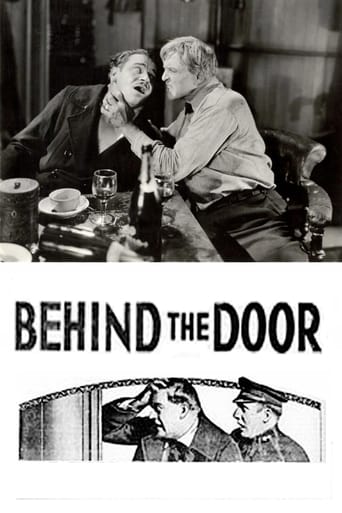
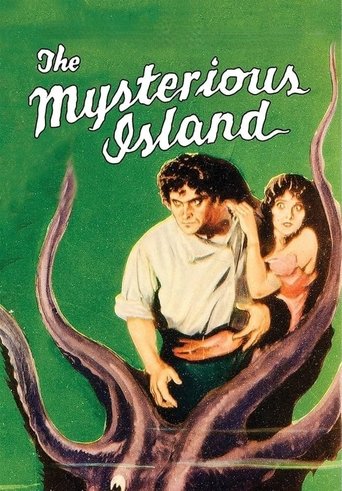
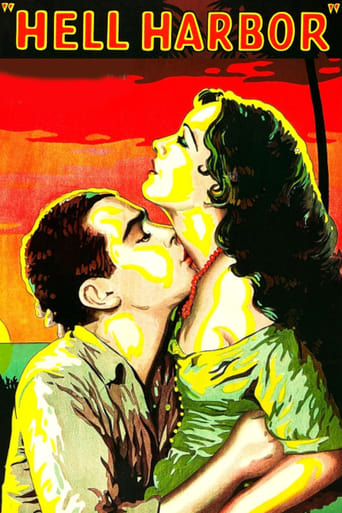
About Gibson Gowland
British character actor who achieved prominence during Hollywood's silent film era, beginning his career on the English stage before transitioning to American cinema. His most and career-defining role came in Erich von Stroheim's masterpiece 'Greed' (1924), where he portrayed McTeague, a simple dentist whose descent into tragedy showcased Gowland's remarkable ability to convey deep psychological complexity and raw emotion. Throughout his decade-long film career, Gowland specialized in intense, physically demanding roles, often cast as antagonists or troubled protagonists due to his imposing presence and powerful screen demeanor. He collaborated with several prominent directors of the era, including multiple projects with von Stroheim and appearances in Universal's horror productions. Gowland's career effectively ended with the transition to sound films, as his thick British accent proved challenging for the new medium, leading him to return briefly to stage work before his death in 1951.
The Craft
On Screen
Gowland was known for his intense, physically expressive acting style characteristic of the late silent era. He employed broad gestures and powerful facial expressions to convey complex emotions, particularly effective in psychological dramas. His performances were marked by a raw, visceral quality that brought depth to even supporting roles. Gowland's imposing physical presence allowed him to dominate scenes, while his ability to portray both vulnerability and menace made him versatile in character roles. His style was particularly suited to the exaggerated demands of silent film acting, yet he brought nuance and psychological realism to his performances.
Milestones
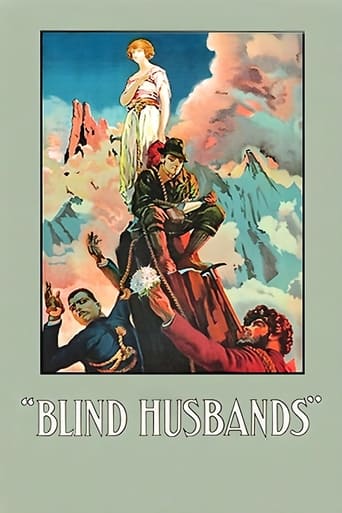
- Breakthrough role in Erich von Stroheim's 'Blind Husbands' (1919)
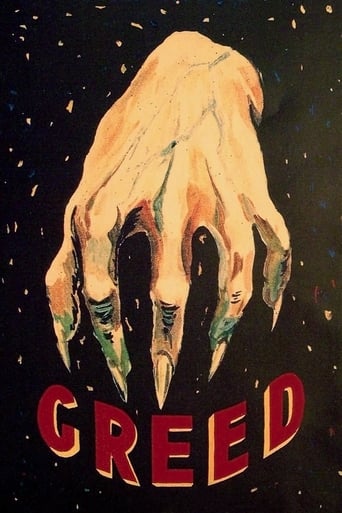
- Iconic starring role as McTeague in 'Greed' (1924)
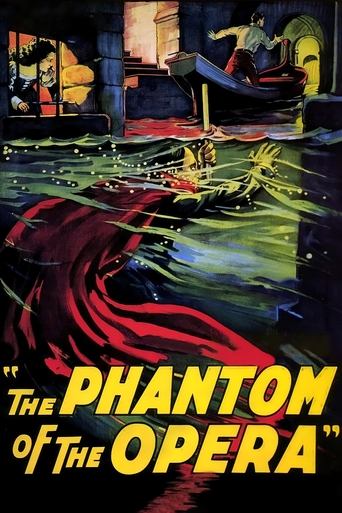
- Memorable appearance in 'The Phantom of the Opera' (1925)
- Collaboration with director Erich von Stroheim on multiple films
- Transition from English stage to Hollywood silent cinema
Best Known For
Iconic Roles
Must-See Films
Accolades
Special Recognition
- Star on Hollywood Walk of Fame (for contributions to motion pictures)
Working Relationships
Worked Often With
Studios
Why They Matter
Impact on Culture
Gibson Gowland's most significant cultural impact comes through his performance in 'Greed,' now considered one of the greatest films ever made. His portrayal of McTeague helped establish the template for the tragic anti-hero in American cinema, influencing generations of character actors. Gowland's work demonstrated the potential for deep psychological storytelling in silent film, proving that complex character studies could thrive without dialogue. His collaboration with von Stroheim represented.
Lasting Legacy
Gowland's legacy is primarily tied to his unforgettable performance in 'Greed,' which has ensured his place in cinema history despite his relatively brief career. Film scholars and historians frequently cite his work as an example of the highest achievement in silent film acting, particularly his ability to convey complex psychological states through physical performance alone. His portrayal of McTeague remains a touchstone for actors studying character development and the portrayal of gradual mental deterioration. While not a household name like some of his contemporaries, Gowland is revered among cinephiles and film historians as a master craftsman of silent cinema.
Who They Inspired
Gowland influenced subsequent generations of character actors through his demonstration of how physical presence and subtle expression could convey complex psychological states. His work in 'Greed' particularly influenced actors in method acting traditions, showing how complete immersion in a character's psychology could create powerful, memorable performances. Directors studying von Stroheim's techniques often analyze Gowland's performance as an example of perfect actor-director collaboration. His ability to play both sympathetic and villainous characters with equal conviction paved the way for more nuanced character acting in Hollywood.
Off Screen
Gibson Gowland married actress Sylvia Breamer in 1919, and their marriage coincided with his breakthrough in American cinema. The couple worked together on several films during the early 1920s before divorcing. Gowland was known as a serious, dedicated actor who took his craft seriously, often immersing himself completely in his roles. After his film career ended with the advent of sound, he struggled financially and returned to stage work in England and America. He spent his final years in relative obscurity, living in London until his death from a heart attack at age 73.
Education
Educated in England, began theatrical training in local dramatic societies before joining professional stage companies
Family
- Sylvia Breamer (1919-1925)
Did You Know?
- His role in 'Greed' was originally meant for another actor, but Erich von Stroheim insisted on casting Gowland after seeing his intensity
- The original version of 'Greed' was over 10 hours long, with Gowland's performance being the central thread throughout
- He was a stage actor in England for over 15 years before appearing in his first film at age 42
- Gowland performed many of his own stunts in 'Greed,' including scenes in the Death Valley desert
- His thick British accent made the transition to talkies difficult, contributing to his career decline
- Despite being typecast as villains, Gowland was known as a gentle, soft-spoken man in real life
- He was one of the few actors to work with Erich von Stroheim on multiple films without conflicts
- Gowland's performance in 'Greed' was praised by critics of the era as 'the most powerful male performance of the year'
- He continued acting in minor stage productions well into the 1940s, long after his film career ended
- Gowland — founding member of the Screen Actors Guild, joining in its early years
In Their Own Words
In silent pictures, you had to put your whole soul into your eyes. Every emotion had to show there, or you failed the audience.
Von Stroheim taught me that acting wasn't about pretending, but about becoming. When I played McTeague, I was McTeague.
The talkies destroyed many good actors, not because they couldn't speak, but because they couldn't speak the way Hollywood wanted them to.
Frequently Asked Questions
Who was Gibson Gowland?
British character with credits in this catalog. He specialized in intense, psychologically complex roles and was regarded as one of the finest character actors of his time.
What films is Gibson Gowland best known for?
Titles linked here include Greed (1924), Blind Husbands (1919).
When was Gibson Gowland born and when did he die?
Born December 4, 1877; died September 9, 1951.
What awards did Gibson Gowland win?
During his lifetime, Gowland did not receive major film awards, as many of the prestigious film honors were established after his career ended. However, he was posthumously honored with a star on the Hollywood Walk of Fame for his contributions to motion pictures, recognizing his impact on cinema history.
What was Gibson Gowland's acting style?
Gowland was known for his intense, physically expressive acting style that combined broad gestures with subtle facial expressions. He brought a raw, visceral quality to his performances, particularly effective in psychological dramas. His style was perfectly suited to the demands of silent film, allowing him to convey complex emotions and psychological depth without dialogue.
Why did Gibson Gowland's career end with the advent of sound films?
Gowland's career declined with the transition to talkies primarily due to his thick British accent, which didn't fit the sound film market of early Hollywood. Like many silent film actors, he struggled to adapt to the new requirements of sound cinema, and his distinctive acting style, perfect for silent films, didn't translate as effectively to the medium of sound.
What was Gibson Gowland's relationship with director Erich von Stroheim?
Gowland had a significant professional relationship with Erich von Stroheim, who cast him in several films including 'Blind Husbands' and the masterpiece 'Greed'. Von Stroheim considered Gowland one of his favorite actors and praised his ability to understand complex characters. Their collaboration produced some of the most psychologically sophisticated films of the silent era.
How is Gibson Gowland remembered today?
Today, Gibson Gowland is remembered primarily for his extraordinary performance in 'Greed,' which is now considered one of the greatest films ever made. Film scholars and cinema enthusiasts regard him as a master craftsman of silent film acting, and his work continues to be studied for its psychological depth and emotional intensity. While not a household name, he holds an important place in cinema history among those who appreciate the art of silent film.