Behind the Door
"Oscar Krug is looked upon with suspicion by his neighbors"
Keys: Space play/pause · ←/→ 10s · F fullscreen · M mute · </> speed
About this film
Oscar Krug is looked upon with suspicion by his neighbors because of his German name. When the US is drawn into the war with Germany, he enlists and travels the seas with his wife, Alice Morse. During a submarine attack Alice is snatched from Krug's side by a German officer. Krug now lives to have his revenge, and when the opportunity presents itself, he will have it.
Cast & crew
More films like this

More Drama films
View all →







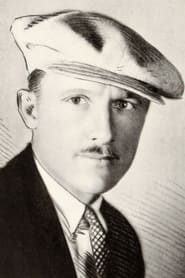
More from Irvin Willat
View all →


More about this film
About the production
Release dateMarch 30, 1919
Budget$150,000 (estimated for 1919 production)
Box officeCommercially successful, though exact figures are not documented
ProductionFamous Players-Lasky Corporation, Paramount Pictures
Filmed inSanta Catalina Island, California, Paramount Studios, Hollywood, California
The picture was notable for its realistic submarine sequences, filmed using actual Navy vessels. The controversial revenge sequence required careful negotiation with censors and was reportedly cut in some markets. Production faced challenges due to the picture's graphic content, which pushed the boundaries of what was acceptable in 1919. The ship scenes were filmed on location using real naval equipment, adding to the picture's authenticity.
Themes
Revenge and its psychological costPrejudice and xenophobiaLoyalty and patriotismThe brutality of warIdentity and belonging
Themes & topics
World War ISubmarine warfareRevenge plotAnti-German sentimentNaval battleKidnappingPsychological traumaMarriagePatriotismBrutalityObsessionVigilantismSea adventureTragedyPropaganda
Historical background
By 1919, Famous Players-Lasky Corporation was supplying United States theaters with titles like Behind the Door, part of the broader expansion of filmed entertainment into working-class districts and small towns.
Why this film matters
Programmers and historians revisit Behind the Door (1919) because its story—oscar krug is looked upon with suspicion by his neighbors because of his german name—illustrates popular narrative habits and production norms of the period.
Making of
The production of 'Behind the Door' was marked by its ambitious scope and controversial content. Director Irvin Willat, leveraging his naval background, insisted on using real Navy vessels and equipment for authenticity. The submarine sequences were particularly challenging to film, requiring coordination with the U.S. Navy and innovative underwater photography techniques. Wallace Beery's portrayal of the German villain was so methodical and intense that it allegedly caused psychological distress during filming. The most notorious scene, involving Krug's revenge, required multiple takes and careful choreography to achieve the desired impact while appeasing studio censors. the picture's post-production was extensive, with particular attention paid to the tinting of sequences to enhance emotional impact - blue tones for sea scenes, red for violent moments, and amber for domestic scenes.
What critics said
English-language trade reviews of Behind the Door are limited for 1919. Where notices survive, they stress pacing and photographic clarity; later criticism values the title as archival evidence of studio style.
Did you know?
- the picture was considered extremely violent for its time, with some critics calling it 'sadistic' and 'brutal'
- Wallace Beery's performance as the villain was so convincing that he received death threats from audience members
- The famous revenge sequence was so controversial that it was cut by several state censorship boards
- the picture was one of the first to realistically depict submarine warfare on screen
- Hobart Bosworth performed his own stunts in several dangerous sea sequences
- The original negative was thought lost for decades until a complete print was discovered in the 1970s
- the picture's anti-German sentiment reflected genuine post-WWI tensions in America
- Director Irvin Willat was a former sailor, which contributed to the picture's authentic naval sequences
- The movie was banned in several countries including Germany and Austria
- Jane Novak's character was one of the first film heroines to be depicted as a military wife
Awards & recognition
- No major awards were documented for, though it received recognition from several film societies for its technical achievements in naval photography
Visual style
The cinematography by Charles Rosher was groundbreaking for its time, particularly in the naval sequences. the picture employed innovative techniques for underwater photography and realistic shipboard action. Rosher used special filters and lighting to create distinct moods for different settings - the cold blue tones of the sea, the warm amber of domestic scenes, and the harsh reds for violent moments. The camera work during the submarine attack sequence was particularly praised for its kinetic energy and realism. the picture also made effective use of location shooting on Santa Catalina Island, providing authentic maritime backdrops that studio sets couldn't replicate.
Innovations
the picture pioneered several technical innovations in maritime filmmaking. The submarine sequences utilized newly developed underwater cameras and waterproof housings, allowing for unprecedented realistic shots of naval warfare. The production developed special rigging systems for filming on actual Navy vessels, enabling dynamic camera movement during battle scenes. the picture's special effects, particularly the torpedo attacks and ship explosions, were considered state-of-the-art for 1919. The movie also employed sophisticated tinting techniques to enhance emotional impact, using different color processes for various narrative elements. These technical achievements significantly influenced later maritime and war films.
Music
As a silent film, 'Behind the Door' was accompanied by live musical performances during its theatrical run. The original score was composed by Victor Schertzinger, who specialized in creating mood-appropriate music for dramatic films. The score featured leitmotifs for main characters and themes, with particularly ominous music for the German villain and tender melodies for romantic scenes. Modern restorations have been accompanied by newly composed scores that attempt to capture the picture's dramatic range while respecting contemporary musical sensibilities. The original cue sheets suggest a rich orchestral approach with prominent use of strings and brass for the naval sequences.
Famous quotes
I will have my revenge - and it will be complete." (Oscar Krug, intertitle)
In war, there are no winners - only survivors." (Opening intertitle)
Hate is a fire that consumes the hater first." (Narrative intertitle)
When love is taken, what remains but vengeance?" (Alice Morse, intertitle)
The sea takes all - but it also gives back what it owes." (Closing intertitle)
Memorable scenes
- The submarine attack sequence where Alice is abducted - a masterclass in silent era action filmmaking with realistic naval warfare footage
- The climactic revenge scene in the lighthouse - so controversial it was cut in several markets, featuring one of cinema's earliest depictions of psychological torture
- The opening town scenes showing prejudice against German-Americans - powerful social commentary for 1919
- The tender domestic scenes between Oscar and Alice aboard ship - establishing the emotional stakes before tragedy strikes
- The final confrontation between Krug and Brandt - a tense psychological battle that influenced countless later revenge films
What audiences thought
the picture was a commercial success upon its release, drawing large audiences despite - or perhaps because of - its controversial content. Many viewers were shocked by its graphic nature, with some reportedly fainting during the revenge sequence. The anti-German sentiment resonated with post-war audiences, though German-American communities protested the picture's portrayal of their heritage. Over time, audience appreciation has grown, particularly among silent film enthusiasts who recognize its artistic achievements. the picture's reputation as a 'lost classic' was enhanced by its scarcity before restoration, making it a sought-after title among film collectors and historians.
Film connections
Influenced by
- German Expressionist cinema (in its visual style)
- D.W. Griffith's epic storytelling techniques
- Contemporary war literature
- Stage melodramas of the 1910s
- Naval adventure stories popular during WWI
This film influenced
- All Quiet on the Western Front (1930)
- The Big Parade (1925)
- Later submarine films like 'Destination Tokyo'
- Film noir revenge narratives
- Psychological thrillers of the 1940s and 1950s
Film restoration
the picture was considered lost for decades until a complete 35mm print was discovered in the 1970s at the Library of Congress. the picture has since been restored by several archives, including the Museum of Modern Art and the UCLA Film and Television Archive. While some scenes originally cut by censors remain missing, the restored version represents the most complete version known to exist. The restoration has preserved the original tinting schemes and intertitles. the picture is now considered well-preserved with multiple archival copies held by major film institutions.
Where to watch
- The Criterion Collection (Blu-ray/DVD)
- Kino Lorber (DVD release)
- The Library of Congress (online streaming for research)
- Film preservation society screenings
- Silent film festivals and retrospectives
- Some streaming services specializing in classic films
- Educational institutions with film studies programs