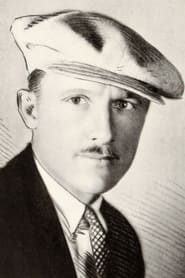
Irvin Willat
Director
Born: November 18, 1890 in Stamford, Connecticut, USA Died: April 17, 1976 Active: 1914-1937 Birth Name: Irvin V. Willat
Films
5 films
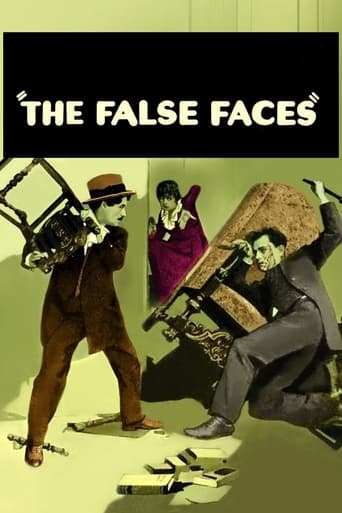
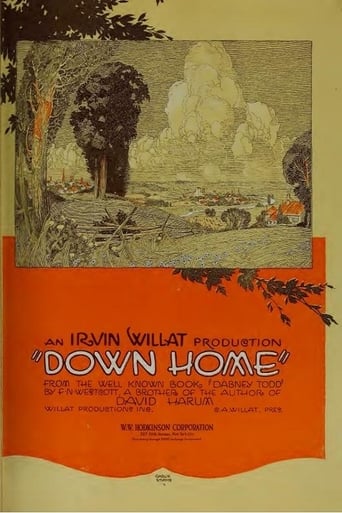
About Irvin Willat
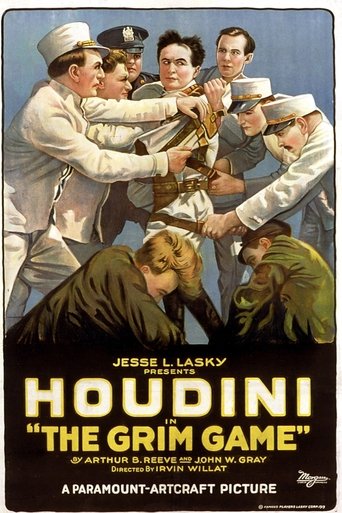
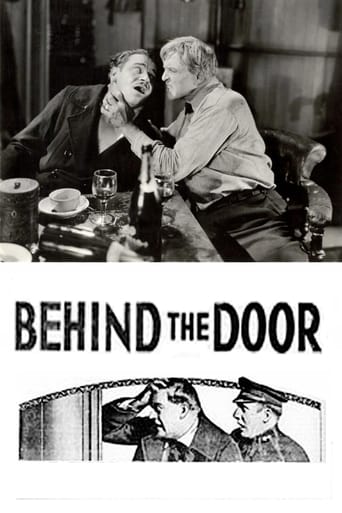
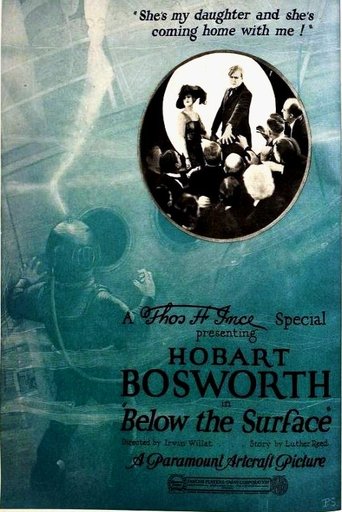
Irvin V. Willat — American film director during the silent era, best known for his work with producer and actor Harry Houdini. Born in Stamford, Connecticut, Willat began his career in the film industry in the early 1910s, initially working as a cinematographer before transitioning to directing. His breakthrough came in 1919 when he directed four notable films: 'The Grim Game' starring Houdini, 'Behind the Door' with Hobart Bosworth, 'The False Faces' featuring Henry B. Walthall, and 'Below the Surface.' Willat was particularly skilled at creating suspenseful narratives and innovative action sequences, which made him an ideal collaborator for Houdini's death-defying stunts. Throughout the 1920s, he continued directing for various studios, working with stars such as Mary Pickford and Thomas Meighan. His career declined with the advent of sound films, and he made his final directorial effort in 1937. Willat's contributions to silent cinema, particularly in the thriller and adventure genres, remain significant though often overlooked in film history.
The Craft
Behind the Camera
Willat was known for his dynamic visual storytelling and ability to create tension through innovative camera work. His direction emphasized suspense and spectacle, particularly evident in his collaborations with Houdini where he captured death-defying stunts with remarkable clarity and drama. He had a keen eye for composition and movement, often employing rapid editing and close-ups to heighten emotional impact. Willat's approach to action sequences was ahead of its time, combining practical effects with strategic camera placement to create visceral experiences for audiences.
Milestones
- Director of 'The Grim Game' (1919) starring Harry Houdini
- Directed the controversial war film 'Behind the Door' (1919)
- Cinematographer on early films before transitioning to directing
- Collaborated with major stars of the silent era
- Successfully navigated the transition from cinematography to directing
Best Known For
Must-See Films
Working Relationships
Worked Often With
Studios
Why They Matter
Impact on Culture
Irvin Willat's impact on cinema lies primarily in his contribution to the thriller and adventure genres during the silent era. His work with Harry Houdini helped establish the template for action cinema, demonstrating how real stunts could be effectively captured on film to create maximum audience excitement. 'Behind the Door' (1919) was particularly controversial for its time, dealing with themes of revenge and PTSD from World War I, pushing the boundaries of what was acceptable in mainstream cinema. Willat's technical innovations in filming action sequences influenced subsequent directors in the genre, though his name is often overshadowed by more famous contemporaries.
Lasting Legacy
Though not as widely remembered as some of his contemporaries, Irvin Willat left an indelible mark on silent cinema through his technical prowess and storytelling abilities. His films, particularly those made with Harry Houdini, are studied by film historians for their innovative approach to action and suspense. The preservation of his works has allowed modern audiences to appreciate the sophistication of silent film techniques. Willat represents the generation of filmmakers who successfully transitioned from the early days of cinema to the more sophisticated productions of the 1920s, even if they couldn't adapt to the sound revolution.
Who They Inspired
Willat's techniques for filming action sequences and creating suspense influenced subsequent directors in the thriller genre. His work demonstrated the potential of cinema to create visceral experiences through visual storytelling rather than relying on intertitles. Directors who followed in the action and adventure genres built upon foundations that filmmakers like Willat helped establish. His collaboration with Houdini also showed how specialized performers could be effectively showcased through cinematic techniques, a model that would be replicated with stunt performers and action stars throughout film history.
Off Screen
Irvin Willat married actress Billie Dove in 1923, and their marriage was one of Hollywood's notable unions during the silent era. Dove was a rising star at the time, and Willat directed her in several films including 'The Lone Star' (1923) and 'The Age of Innocence' (1924). The couple divorced in 1929, which coincided with Willat's declining career prospects in the new sound era. After his directorial career ended, Willat largely retreated from public life and lived in relative obscurity until his death in 1976 in Santa Monica, California.
Education
Limited information available about formal education, likely self-taught in film techniques
Family
- Billie Dove (1923-1929)
Did You Know?
- Willat began his film career as a cinematographer before becoming a director
- He directed four films in 1919 alone, showing remarkable productivity
- His marriage to Billie Dove was considered one of Hollywood's power couples of the 1920s
- 'The Grim Game' featured a real plane collision that was accidentally captured during filming
- Willat was one of the few directors who successfully captured Houdini's death-defying stunts on camera
- His film 'Behind the Door' was considered so controversial that it was banned in several countries
- After the advent of sound, Willat's directing career rapidly declined
- He was known for his technical innovations in camera placement and movement
- Willat often served as his own cinematographer on early films
- His final directorial credit was in 1937, ending a career that spanned over two decades
In Their Own Words
The camera must capture not just what happens, but the feeling of what happens
Working with Houdini taught me that the impossible is merely a challenge to be filmed
Silent film is the purest form of cinema - images telling stories without words
Frequently Asked Questions
Who was Irvin Willat?
American on YTB.my. He directed notable films including 'The Grim Game' (1919) and 'Behind the Door' (1919).
What films is Irvin Willat best known for?
Titles linked here include The Grim Game (1919), Behind the Door (1919).
When was Irvin Willat born and when did he die?
Born November 18, 1890; died April 17, 1976.
What awards did Irvin Willat win?
There are no major recorded awards or nominations for Irvin Willat, which was common for many directors of the silent era who worked before the establishment of major film awards like the Academy Awards.
What was Irvin Willat's directing style?
Willat's directing style emphasized dynamic visual storytelling, suspense, and innovative action sequences. He was particularly skilled at capturing stunts and creating tension through strategic camera work and editing, making him ideal for thriller and adventure films.
Did Irvin Willat work with any famous actors?
Yes, Willat worked with several notable silent era stars including Harry Houdini, Billie Dove (whom he later married), Hobart Bosworth, Thomas Meighan, and Henry B. Walthall. His collaboration with Houdini was particularly significant.