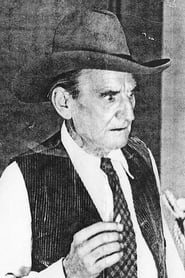
Otto Hoffman
Actor
Born: May 2, 1879 in New York City, New York, USA Died: June 23, 1944 Active: 1915-1944 Birth Name: Otto F. Hoffman
Films
4 films

About Otto Hoffman
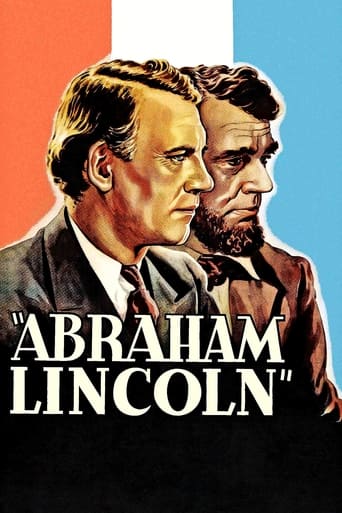
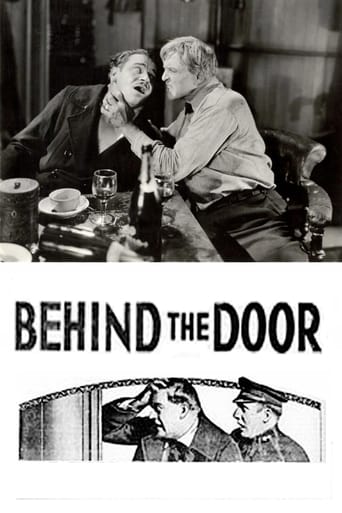
Prolific American character actor: the silent era through the early sound period of Hollywood. Born in 1879, he began his film career in the mid-1910s and quickly established himself as a reliable supporting player, appearing in over 200 films throughout his career. Hoffman was particularly known for his versatility in playing authority figures, shopkeepers, clerks, and various middle-aged character roles that required a distinctive, sometimes stern or comical presence. His most memorable performances include roles in D.W. Griffith's 'Intolerance' (1916), the controversial 'Behind the Door' (1919) starring Hobart Bosworth, and John Ford's 'Abraham Lincoln' (1930). Despite often being uncredited, Hoffman's distinctive appearance and reliable performances made him a familiar face to movie audiences of the era. He continued working steadily through the transition to sound, adapting his style for talkies while maintaining his status as a dependable character actor. Hoffman's career concluded in the early 1940s, leaving behind a legacy as one of Hollywood's most recognizable supporting players of the Golden Age's formative years.
The Craft
On Screen
Otto Hoffman was known for his naturalistic yet distinctive character portrayals, often employing a deadpan delivery and stern facial expressions that made him perfect for authority figures and comic relief roles. His acting style was rooted in the theatrical traditions of the 19th century but adapted well to the more intimate medium of film. Hoffman had a remarkable ability to convey complex emotions with minimal gestures, using his expressive eyes and distinctive facial features to create memorable characters even in brief appearances. His technique involved precise timing and an understanding of how to support the lead actors while maintaining his own character's integrity within the ensemble.
Milestones
- Appeared in over 200 films during his 29-year career
- Worked with legendary director D.W. Griffith on 'Intolerance' (1916)
- Memorable supporting role in 'Behind the Door' (1919)
- Appeared in John Ford's 'Abraham Lincoln' (1930)
- Successfully transitioned from silent films to talkies
- Became one of Hollywood's most recognizable character actors
Best Known For
Iconic Roles
Must-See Films
Working Relationships
Worked Often With
Studios
Why They Matter
Impact on Culture
Otto Hoffman represents the archetype of the reliable character actor who formed the backbone of Hollywood's studio system during its formative years. His extensive filmography provides a valuable record of the evolution of American cinema from the silent era through the early sound period. Hoffman's ability to adapt his acting style across different genres and directors demonstrated the versatility required of supporting actors in classical Hollywood. His numerous appearances in both prestigious productions and routine programmers helped establish the template for character acting that would influence generations of performers who followed.
Lasting Legacy
Otto Hoffman's legacy lies in his contribution to the Hollywood's Golden Age, where actors like him provided the essential supporting framework that allowed stars to shine. His filmography serves as a valuable resource for film historians and scholars studying the development of American cinema. Hoffman represents the thousands of working actors who, while never achieving stardom themselves, were crucial to the success of countless classic films. His career exemplifies the professional journey of character actors in studio-era Hollywood, demonstrating longevity through adaptability and reliability.
Who They Inspired
While not a major star who directly mentored famous actors, Hoffman influenced the craft of character acting through his consistent performances and professional approach. His ability to create memorable characters in brief screen time set a standard for supporting actors that continues to be relevant today. Many contemporary character actors studying classic Hollywood cinema can learn from Hoffman's technique of making the most of limited screen time and creating distinct personalities within ensemble casts.
Off Screen
Otto Hoffman led a relatively private life away from the Hollywood spotlight, focusing primarily on his craft and maintaining a steady career as a working actor. He married twice during his lifetime, with his first marriage ending in divorce before marrying his second wife. Hoffman was known among his colleagues as a professional and reliable actor who took his craft seriously, often working on multiple films simultaneously during the peak of his career in the 1920s. He lived in the Los Angeles area for most of his film career and remained active in the industry until his health began to decline in the early 1940s.
Education
Limited formal education, likely trained in theater or acting through practical experience in the early 1900s
Family
- First wife (1905-1915)
- Second wife (1916-1944)
Did You Know?
- Appeared in over 200 films but was often uncredited
- His distinctive appearance made him easily recognizable to audiences
- Worked consistently through the Great Depression when many actors struggled
- Was one of the few actors to successfully transition from silent films to talkies without losing momentum
- Often played characters much older than his actual age
- His active years covered the entire transition from silent films to established sound cinema
- Worked with some of Hollywood's most legendary directors including D.W. Griffith and John Ford
- Never received top billing but was considered a valuable asset by studio executives
- His final film appearances were in the early 1940s before health issues forced his retirement
- Represented the typical working actor of Hollywood's studio system era
In Their Own Words
An actor's job is to serve the story, whether you have one line or one hundred
Character actors are the spices that make the main dish taste better
Being uncredited doesn't mean being unimportant to the picture
Frequently Asked Questions
Who was Otto Hoffman?
Screen credits include over 200 films during Hollywood's silent era and early sound period. Known for his distinctive appearance and reliable performances, he played numerous supporting roles as authority figures, clerks, and various character parts from 1915 to 1944.
What films is Otto Hoffman best known for?
Titles linked here include Intolerance (1916), Behind the Door (1919).
When was Otto Hoffman born and when did he die?
Born May 2, 1879; died June 23, 1944.
What awards did Otto Hoffman win?
Otto Hoffman did not receive any major awards or nominations during his career, which was typical for character actors of his era. His recognition came from steady employment and the respect of his colleagues in the film industry.
What was Otto Hoffman's acting style?
Hoffman was known for his naturalistic yet distinctive character portrayals, often using deadpan delivery and stern expressions. He excelled at creating memorable characters with minimal screen time, using his expressive features and precise timing to support the main actors while maintaining his character's integrity.