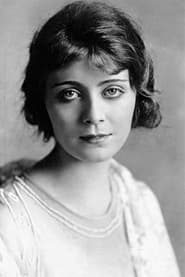
Jane Novak
Actor
Born: January 1, 1896 in St. Louis, Missouri, USA Died: February 3, 1990 Active: 1913-1930 Birth Name: Johana Barbara Novak
Films
3 films
About Jane Novak
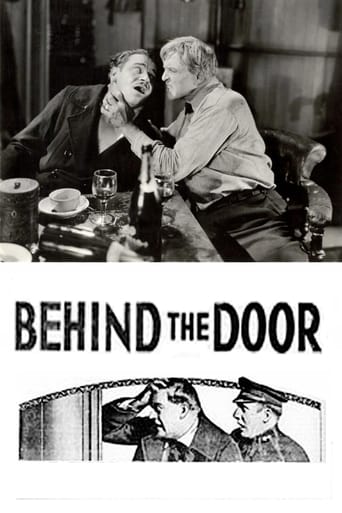
Prolific American actress who rose to prominence during the silent film era, starring in over 100 films between 1913 and 1930. Born Johana Barbara Novak to Czech immigrant parents in St. Louis, Missouri, she was discovered by director Frank Borzage while working as a secretary in Los Angeles. Her breakthrough came in 1917 when she signed with Paramount Pictures and quickly became one of the studio's most reliable leading ladies. Novak was particularly known for her dramatic roles and intense screen presence, often playing strong-willed heroines in westerns and melodramas. Her most acclaimed performance came in the controversial war drama 'Behind the Door' (1919), where she starred opposite Hobart Bosworth in a film that was considered shockingly violent for its time. Throughout the 1920s, she worked with many of the era's biggest stars, including Wallace Reid, and maintained a steady career through the transition to sound films, though her roles diminished in the early 1930s. She retired from acting in 1930 after appearing in her final film, 'The Last Parade', and lived a quiet life in California until her death in 1990 at age 94.
The Craft
On Screen
Novak was known for her naturalistic yet emotionally intense acting style that set her apart from many of her silent film contemporaries. She possessed a remarkable ability to convey complex emotions through subtle facial expressions and body language, making her particularly effective in dramatic roles. Her performances often featured a combination of strength and vulnerability, allowing her to portray both independent heroines and romantic leads with equal conviction. Critics praised her for avoiding the exaggerated gestures common in silent cinema, instead favoring a more restrained and believable approach that helped bridge the gap between theatrical and cinematic acting.
Milestones
- Signed with Paramount Pictures in 1917
- Starred in controversial hit 'Behind the Door' (1919)
- Appeared in over 100 silent films
- Successfully transitioned to talkies in late 1920s
- Worked with major stars like Wallace Reid and Hobart Bosworth
Best Known For
Iconic Roles
Must-See Films
Accolades
Special Recognition
- Hollywood Walk of Fame star (located at 6340 Hollywood Boulevard)
Working Relationships
Worked Often With
Studios
Why They Matter
Impact on Culture
Jane Novak represented the transition from theatrical acting styles to more naturalistic film performances during the silent era. Her work in controversial films like 'Behind the Door' helped push boundaries of what was considered acceptable content in mainstream cinema. As one of Paramount's leading ladies during the studio's formative years, she contributed to establishing the star system that would dominate Hollywood for decades. Her ability to portray strong female characters in an era when women's roles were often limited helped pave the way for more complex female representations in American cinema.
Lasting Legacy
Jane Novak's legacy lies in her contributions to the development of naturalistic acting in silent cinema and her role in establishing Paramount Pictures as a major studio. Though largely forgotten by mainstream audiences today, she remains significant among film historians as an example of the many talented actresses who formed the backbone of early Hollywood. Her extensive filmography provides valuable documentation of the evolution of American cinema from the teens through the early sound era. The preservation of her films, particularly 'Behind the Door', has ensured that her work continues to be studied by scholars and appreciated by silent film enthusiasts.
Who They Inspired
Novak influenced subsequent generations of actors through her rejection of exaggerated theatrical gestures in favor of more subtle, emotionally truthful performances. Her ability to convey complex emotions without dialogue demonstrated the power of visual storytelling in cinema. While she didn't directly mentor many actors, her work style influenced the acting techniques that would become standard in Hollywood's Golden Age. Her success in both dramatic and genre films showed the versatility required of film actors, influencing how performers approached their careers in the studio system.
Off Screen
Jane Novak married actor Frank Brownlee in 1921, and their marriage lasted until his death in 1948. The couple had one daughter together. After retiring from films in 1930, Novak largely withdrew from public life, focusing on her family and personal interests. She lived for many years in the San Fernando Valley area of Los Angeles and was known to occasionally attend silent film revival events in her later years. Despite her early fame, she remained humble about her career achievements and rarely gave interviews about her time in Hollywood.
Education
Limited formal education; completed basic schooling in St. Louis before moving to Los Angeles
Family
- Frank Brownlee (1921-1948)
Did You Know?
- She was of Czech descent and her original name was Johana Barbara Novak
- She was discovered while working as a secretary for a Los Angeles insurance company
- Her controversial film 'Behind the Door' (1919) was considered so shocking that it was banned in several countries
- She appeared in over 100 films during her 17-year career
- She successfully made the transition from silent films to talkies, unlike many of her contemporaries
- Her husband Frank Brownlee was also a character actor who appeared in many of her films
- She received a star on the Hollywood Walk of Fame for her contributions to motion pictures
- She lived to be 94 years old, outliving most of her silent film contemporaries
- Despite her fame, she rarely gave interviews about her career after retiring
- She was one of the few silent film stars to live into the 1990s
In Their Own Words
I never thought of myself as a star. I was just an actress trying to do good work.
The secret to silent acting was not in the gestures, but in the eyes. The audience had to see what you were feeling.
Frequently Asked Questions
Who was Jane Novak?
American actress who starred in over 100 films during the silent era, particularly known for her work with Paramount Pictures in the late 1910s and 1920s. She was celebrated for her naturalistic acting style and dramatic roles in films like 'Behind the Door' (1919).
What films is Jane Novak best known for?
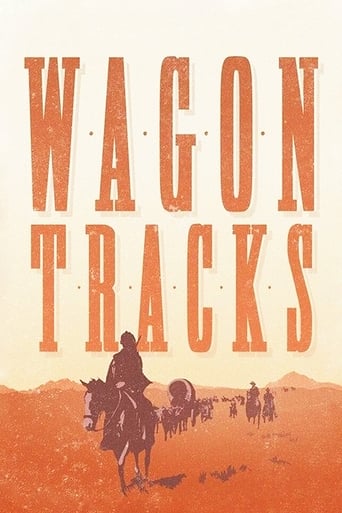
Titles linked here include Behind the Door (1919), Wagon Tracks (1919).
When was Jane Novak born and when did she die?
Born January 1, 1896; died February 3, 1990.
What awards did Jane Novak win?
While Jane Novak did not receive major acting awards during her career, she was honored with a star on the Hollywood Walk of Fame for her contributions to motion pictures.
What was Jane Novak's acting style?
Jane Novak was known for her naturalistic and emotionally intense acting style that avoided the exaggerated gestures common in silent cinema. She excelled at conveying complex emotions through subtle facial expressions and body language, making her particularly effective in dramatic roles.