J.P. Lockney
Actor
Born: March 17, 1867 in Philadelphia, Pennsylvania, USA Died: October 7, 1922 Active: 1915-1922 Birth Name: John Patrick Lockney
Films
4 films

About J.P. Lockney
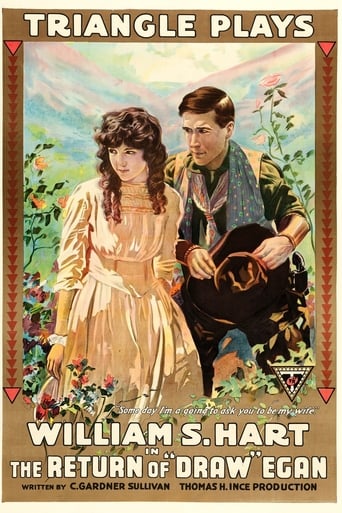
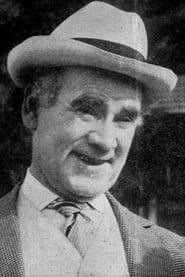
John Patrick Lockney — American character actor who found his calling in the burgeoning silent film industry during the 1910s. Born in Philadelphia in 1867, Lockney began his acting career on the stage before transitioning to motion pictures in his late 40s, making him one of the older actors to enter the film industry during that era. Between 1915 and his death in 1922, he appeared in over 100 films, establishing himself as a reliable supporting actor who specialized in portraying authority figures such as judges, doctors, ministers, and businessmen. Lockney worked extensively with prominent silent film stars like William S. Hart, appearing in several of his Westerns including 'The Return of Draw Egan' (1916). His distinctive appearance, with his bald head and dignified bearing, made him instantly recognizable to audiences of the time. Despite his relatively short film career of just seven years, Lockney's prolific output and consistent performances made him a familiar face in Hollywood productions. His career was cut short by his untimely death at age 55, but his contributions to silent cinema remain significant as an example of the character actors who provided the foundation for many classic films of the era.
The Craft
On Screen
Lockney specialized in portraying dignified, authoritative characters with a commanding presence. His acting style was typical of the silent era, relying heavily on facial expressions and body language to convey emotion and character. With his distinctive bald appearance and stern demeanor, he brought gravitas to roles as judges, doctors, ministers, and other professional figures. Lockney's performances were characterized by their reliability and consistency, making him a valuable supporting actor who could be counted on to deliver solid, believable performances that anchored the dramatic scenes he appeared in.
Milestones
- Appeared in over 100 films in just 7 years
- Frequent collaborator with William S. Hart Westerns
- Transitioned from stage acting to silent films in his late 40s
- Established himself as a reliable character actor specializing in authority figures
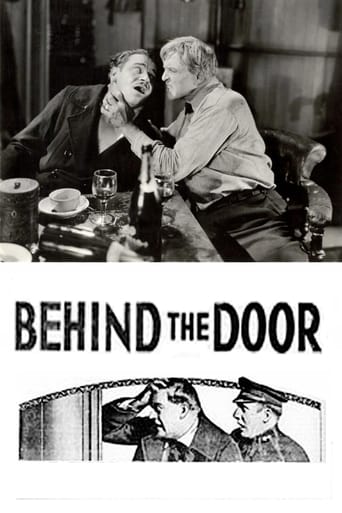
- Notable supporting role in 'Behind the Door' (1919) starring Hobart Bosworth
Best Known For
Iconic Roles
Must-See Films
Working Relationships
Worked Often With
Studios
Why They Matter
Impact on Culture
J.P. Lockney represents the archetype of the reliable character actor who provided essential support to leading players during the silent era. His prolific output of over 100 films in just seven years demonstrates the demanding production schedules of early Hollywood and the crucial role that supporting actors played in the industry's development. Lockney's specialization in authority figures helped establish character tropes that would persist throughout cinema history, contributing to the visual language of film that audiences came to expect. His work with prominent Western star William S. Hart helped define the genre conventions that would influence countless Western films that followed. Though not a star in his own right, Lockney's consistent performances contributed to the quality and success of many significant silent films, exemplifying how character actors formed the backbone of early Hollywood productions.
Lasting Legacy
J.P. Lockney's legacy lies in his contribution to the foundation of American cinema as one of the many dedicated character actors who brought depth and authenticity to silent films. His filmography serves as a valuable record of the types of supporting roles that were essential to storytelling during the silent era. While his name may not be widely recognized today, film historians and silent cinema enthusiasts appreciate his work as an example of the craftsmanship that went into early film productions. Lockney's career demonstrates how actors could successfully transition from stage to screen during this pivotal period in entertainment history. His performances survive as part of the historical record of American cinema, providing insight into the acting styles and production values of the 1910s and early 1920s.
Who They Inspired
While J.P. Lockney did not have the widespread influence of leading stars, his work as a character actor influenced how supporting roles were conceived and executed in silent cinema. His ability to quickly establish character through appearance and demeanor set a standard for efficiency in film acting that would become increasingly important as production speeds accelerated. His collaborations with major stars like William S. Hart helped establish the dynamic between leading players and supporting cast members that would become a hallmark of Hollywood filmmaking. Lockney's career path, transitioning from stage to film in middle age, provided a model for other theater actors looking to enter the burgeoning film industry during its formative years.
Off Screen
John Patrick Lockney was born into an Irish-American family in Philadelphia and began his career in theater before transitioning to film. He married Mary E. Lockney, and they had at least one child together. Lockney's decision to enter the film industry in his late 40s was somewhat unusual for the time, as most film actors were younger. His move to Hollywood coincided with the rapid growth of the American film industry, and he quickly established himself as a reliable character actor. Unfortunately, his life and career were cut short when he died of heart disease in Hollywood at the age of 55, leaving behind a legacy of over 100 film performances.
Education
No specific educational information is widely documented, though he likely received formal training for his stage career
Family
- Mary E. Lockney
Did You Know?
- Lockney appeared in over 100 films in just 7 years, averaging more than 14 films per year
- He began his film career at age 48, making him one of the older actors to enter silent films
- His distinctive bald appearance made him instantly recognizable to silent film audiences
- Lockney frequently played judges and other authority figures, becoming typecast in these roles
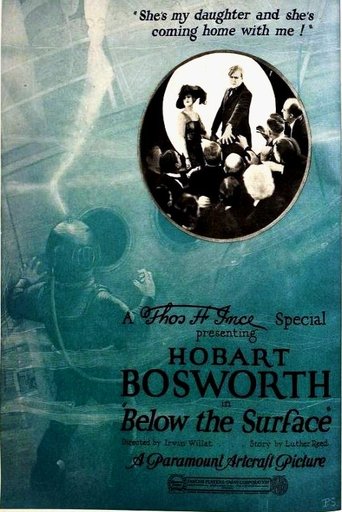
- He worked with some of the biggest stars of the silent era, including William S. Hart and Hobart Bosworth
- Despite his prolific output, he never achieved leading man status, remaining a character actor throughout his career
- His death at age 55 cut short what might have been an even more extensive filmography
- Lockney transitioned from a successful stage career to film during the early days of Hollywood
- Many of his films are now considered lost, a common fate for silent cinema productions
- He worked during the transitional period when Hollywood was establishing itself as the center of American film production
In Their Own Words
No widely documented quotes from J.P. Lockney survive, as was common for character actors of the silent era
Frequently Asked Questions
Who was J.P. Lockney?
J.P. Lockney (John Patrick Lockney) was an American silent film actor who appeared in over 100 films between 1915 and 1922. He was known for playing authority figures such as judges, doctors, and ministers, and frequently collaborated with Western star William S. Hart.
What films is J.P. Lockney best known for?
Titles linked here include The Return of Draw Egan (1916), Behind the Door (1919).
When was J.P. Lockney born and when did he die?
Born March 17, 1867; died October 7, 1922.
What awards did J.P. Lockney win?
There are no documented awards or nominations for J.P. Lockney, which was common for character actors during the silent era before the establishment of major film awards like the Academy Awards.
What was J.P. Lockney's acting style?
Lockney specialized in portraying dignified authority figures with a commanding presence. His acting style relied on facial expressions and body language typical of the silent era, and he became typecast in roles as judges, doctors, and other professional characters.
How many films did J.P. Lockney appear in?
J.P. Lockney appeared in over 100 films during his seven-year career in silent cinema, making him.
Did J.P. Lockney work with any famous directors or actors?
Yes, Lockney frequently collaborated with Western star William S. Hart and worked with directors like William Desmond Taylor and Reginald Barker. He also appeared with prominent actors like Hobart Bosworth.