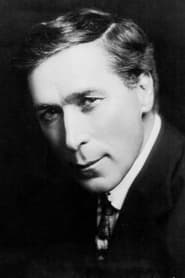
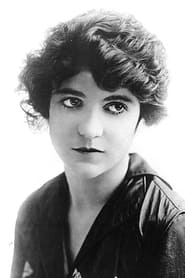
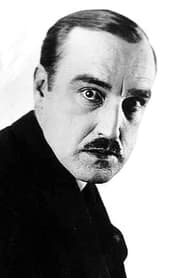
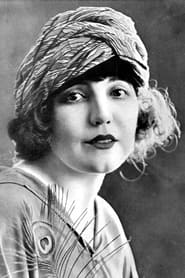
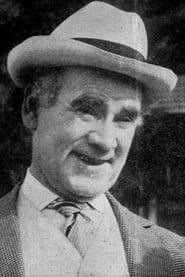


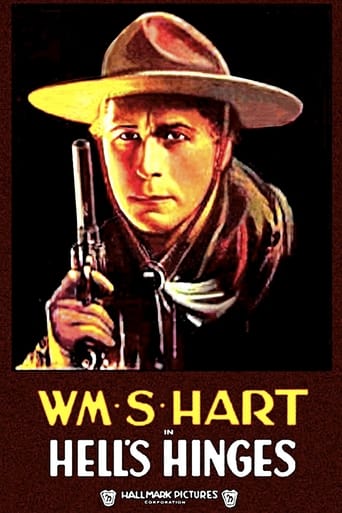
The Return of Draw Egan
"The Return of Draw Egan (1916)"
Keys: Space play/pause · ←/→ 10s · F fullscreen · M mute · </> speed
About this film
A small town marshal’s secret past as an outlaw comes back to haunt him when an old associate shows up and threatens to expose his former dark deeds.
Cast & crew
More films like this
More Western films
View all →

More from William S. Hart
View all →


More about this film
About the production
Release dateOctober 15, 1916
ProductionTriangle Film Corporation, William S. Hart Productions
Filmed inSanta Monica Mountains, California, Newhall, California
This was one of Hart's most successful films during his tenure with Triangle Film Corporation. The production utilized authentic Western locations and featured Hart's signature realistic approach to Western storytelling. Hart insisted on using actual ranch locations rather than studio backdrops to maintain authenticity.
Themes
RedemptionIdentityMoral ambiguityThe conflict between past and presentThe possibility of personal transformation
Themes & topics
outlawlawmansmall townsecret identityblackmailredemptionWestern frontiermoral conflictreformed criminalpast catching up
Historical background
Contemporary records classify The Return of Draw Egan (1916) as 1916 film, placing it within the silent era before feature-length dominance.
Why this film matters
The Return of Draw Egan (1916) helps trace genre evolution, performer careers, and the material conditions of silent exhibition.
Making of
William S. Hart brought his extensive experience as a Shakespearean stage actor to his Western roles, infusing them with psychological depth and complexity. For 'The Return of Draw Egan,' Hart collaborated closely with director Lambert Hillyer, who would become a frequent collaborator. The production team scouted authentic Western locations in California to achieve the realistic atmosphere Hart demanded. Hart was known for his meticulous attention to detail, from costume design to character mannerisms, often spending weeks researching Western lifestyles and visiting actual frontier towns to ensure authenticity. The film's production reflected Hart's philosophy that Westerns should be treated as serious dramatic art rather than mere entertainment.
What critics said
Modern write-ups on The Return of Draw Egan (1916) tend to focus on preservation status, stylistic choices, and placement within director or studio filmographies.
Did you know?
- William S. Hart was not only the star but also had significant creative control over the production, as was typical for his films during this period.
- The film was one of several Westerns Hart made for Triangle Film Corporation before establishing his own production company.
- Hart was known for performing many of his own stunts, adding to the authenticity of his Westerns.
- The film's title character 'Draw Egan' became one of Hart's most memorable outlaw personas.
- Margery Wilson, who plays the female lead, appeared in multiple films with Hart during this era.
- The film was shot during the golden age of silent Westerns when Hart was one of the genre's biggest stars.
- Hart's realistic portrayal of Western characters helped establish the genre's serious dramatic potential.
- The film's themes of redemption and moral ambiguity were hallmarks of Hart's Western films.
- Triangle Film Corporation was one of the major studios of the 1910s before its financial collapse in the early 1920s.
- The film's success helped cement Hart's reputation as the premier Western star of his time.
Visual style
The cinematography by Joseph H. August utilized natural lighting and authentic outdoor locations to create a realistic Western atmosphere. The film employed innovative camera techniques for its time, including dynamic camera movements during action sequences and carefully composed close-ups to emphasize emotional moments. August's work captured the rugged beauty of the California landscapes, using them as more than mere backdrops but as integral elements of the storytelling. The visual style balanced the romanticism of the West with a gritty realism that became characteristic of Hart's Westerns.
Innovations
The film demonstrated advanced filmmaking techniques for its time, including sophisticated editing patterns and effective use of cross-cutting to build suspense. The production made innovative use of location shooting, which was still relatively uncommon in 1916. The film's narrative structure, with its complex character motivations and moral ambiguity, represented a more sophisticated approach to storytelling than was typical for Westerns of the period. The technical quality of the film's preservation and restoration has allowed modern audiences to appreciate its visual artistry.
Music
As a silent film, 'The Return of Draw Egan' would have been accompanied by live musical performances in theaters. The typical score would have included popular songs of the era, classical pieces, and original compositions designed to enhance the emotional impact of key scenes. Theater orchestras or pianists would have used cue sheets provided by the studio to synchronize the music with the on-screen action. The music would have ranged from dramatic orchestral pieces during tense moments to romantic melodies during scenes between Hart and Wilson's characters.
Famous quotes
A man's past is like a shadow - it follows him everywhere.
You can't outrun yourself, no matter how far you ride.
Respectability is the hardest mask to wear.
In the West, a man is judged by what he does, not what he used to be.
Memorable scenes
- The dramatic confrontation between Draw Egan and Arizona Joe when the past is revealed
- Egan's internal struggle as he weighs his new life against his old identity
- The final gunfight where Egan must choose between his outlaw skills and lawman duties
- The tender moments between Egan and the town's schoolteacher, representing his hope for a new life
What audiences thought
The film was well-received by audiences of 1916, contributing to Hart's status as especially popular film stars of the era. Contemporary accounts indicate that audiences were particularly drawn to Hart's authentic portrayal of Western characters and the film's moral complexity. The film's success at the box office helped establish Hart as a bankable star and solidified the commercial viability of feature-length Westerns. Audience response reflected the growing sophistication of moviegoers during the 1910s, who increasingly demanded more substantial narratives and character development in their entertainment.
Film connections
Influenced by
- Hart's stage background in Shakespearean drama
- The literary tradition of the Western novel
- Contemporary dime novels about the West
- The historical reality of frontier justice
This film influenced
- Subsequent William S. Hart Westerns
- John Ford's early Westerns
- The revisionist Westerns of the 1950s-60s
- Modern films exploring outlaw redemption themes
Film restoration
The film is preserved in the Library of Congress collection and has been restored by several film archives. A complete 35mm print exists and has been made available through various film preservation organizations. The restoration work has maintained the film's visual quality, allowing modern audiences to appreciate Hart's performance and the film's technical achievements.
Where to watch
- Library of Congress National Screening Room
- Various film archive collections
- Silent film festivals and retrospectives
- Specialized streaming services focusing on classic cinema
- Educational institutions with film studies programs