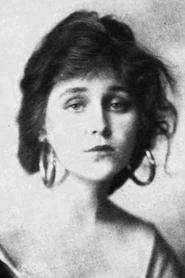
Florence La Badie
Actor
Born: April 27, 1888 in New York City, New York, USA Died: October 13, 1917 Active: 1909-1917 Birth Name: Florence Russ
Films
13 films

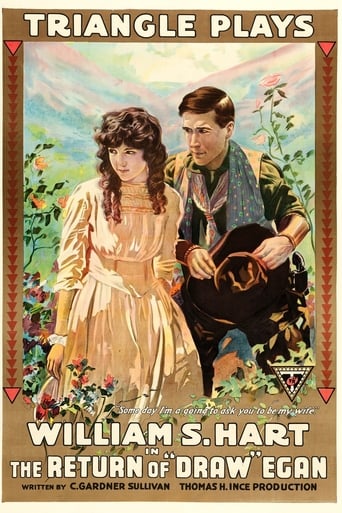
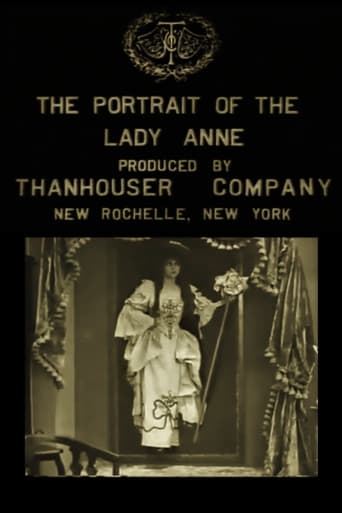
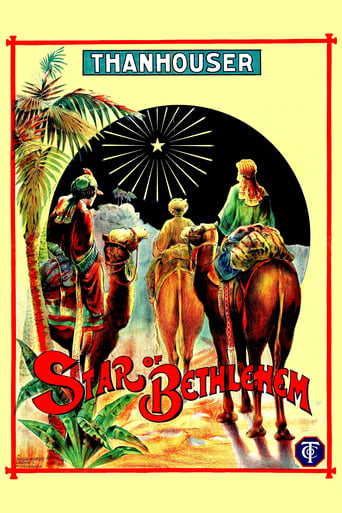
About Florence La Badie
Silent film actress who rose to prominence during the early years of American cinema. Born in New York City to Canadian parents, she began her career as a model and stage performer before transitioning to films in 1909 with Biograph Studios. La Badie quickly became popular actresses of the early 1910s, working extensively with Thanhouser Film Corporation where she starred in numerous successful productions. She was particularly known for her versatility, excelling in dramatic roles, romantic comedies, and adventure films. Her career was tragically cut short when she died in 1917 at the age of 29 from injuries sustained in a car accident, making her one of the first major film stars to die in such a manner. During her brief but impactful career, she appeared in over 180 films and was considered one of the highest-paid actresses of her time. Her death shocked the film industry and her devoted fans, marking the end of what promised to be a career in silent cinema.
The Craft
On Screen
La Badie was known for her naturalistic acting style that departed from the exaggerated theatrical gestures common in early cinema. She brought subtlety and emotional depth to her performances, using nuanced facial expressions and body language to convey complex emotions. Her screen presence was described as both ethereal and grounded, allowing her to portray a wide range of characters from innocent heroines to sophisticated society women. She was particularly adept at conveying inner turmoil and romantic longing through minimal gestures, making her performances feel authentic and relatable to contemporary audiences.
Milestones
- Signed with Thanhouser Film Corporation in 1911
- Starred in the popular 'Million Dollar Mystery' serial (1914)
- Became one of the highest-paid actresses of the silent era
- Appeared in over 180 films during her career
- Pioneered the modern film star persona with dedicated fan clubs
Best Known For
Iconic Roles
Must-See Films
Accolades
Special Recognition
- Posthumous star on the Hollywood Walk of Fame (1960)
Working Relationships
Worked Often With
Studios
Why They Matter
Impact on Culture
Florence La Badie was instrumental in establishing the concept of the modern film star during the transitional period when movies were gaining cultural legitimacy. She was one of the first actresses to have dedicated fan clubs and to receive thousands of fan letters weekly, demonstrating the emerging celebrity culture in America. Her work in Thanhouser productions helped establish the studio as a major competitor to the more prominent Edison and Biograph studios. Her tragic death in 1917 marked one of the first major celebrity fatalities in film history and sparked discussions about automobile safety. The outpouring of public grief following her death demonstrated the profound emotional connection audiences had developed with film performers, solidifying the cultural power of cinema stars in American society.
Lasting Legacy
Florence La Badie's legacy endures as proof of the women who shaped early cinema. Despite her career spanning less than a decade, she left an indelible mark on silent film through her innovative acting techniques and star power. Many of her films, particularly those made at Thanhouser, have been preserved by film archives and continue to be studied by cinema historians for their artistic merit and historical significance. She is remembered as one of the first true film stars who bridged the gap between stage acting and cinematic performance. Her posthumous star on the Hollywood Walk of Fame ensures her place in film history, and her surviving films serve as valuable artifacts documenting the evolution of American cinema during its formative years.
Who They Inspired
La Badie influenced subsequent generations of film actresses through her naturalistic acting style, which helped move cinema away from theatrical affectation toward more realistic performances. Her success demonstrated that film actresses could achieve the same level of fame and financial success as their male counterparts, paving the way for future female stars. Her work with Thanhouser showed that independent studios could compete with major studios by developing star-driven productions. The fan culture that developed around her became a model for how studios would market and promote their stars throughout the Golden Age of Hollywood. Her approach to character development and emotional authenticity influenced acting techniques that would become standard in cinema throughout the 20th century.
Off Screen
Florence La Badie was born Florence Russ to Joseph J. Russ and Amanda C. La Badie, with her father being of French-Canadian descent and her mother of Scottish heritage. She was raised in Montreal, Canada, before returning to New York to pursue her career. She was known for her intelligence and fluency in both English and French. At the time of her death, she was engaged to Daniel Carson Goodman, a prominent writer and film critic. Her tragic death in a car accident occurred just two weeks before her planned wedding, and her funeral was attended by thousands of grieving fans.
Education
Educated in Montreal, Canada; attended convent schools where she developed her linguistic abilities in both English and French
Family
- Never married (engaged to Daniel Carson Goodman at time of death)
Did You Know?
- She was one of the first film stars to have her own fan club
- Her death occurred just two weeks before her planned wedding
- She appeared in over 180 films in just 8 years
- She was fluent in both English and French
- Her car accident was one of the first celebrity automobile fatalities
- She was one of the highest-paid actresses of her time, earning $500 per week
- Her funeral procession was attended by an estimated 10,000 mourners
- Many of her Thanhouser films have been preserved by the Library of Congress
- She was originally discovered while working as a model in New York
- Her last completed film was 'The Man Without a Country' (1917)
In Their Own Words
I love my work because it allows me to become so many different people, each with their own story to tell
The camera is a friend that understands the smallest emotion
Every film is a chance to touch someone's heart across time and space
Being an actress isn't about pretending, it's about finding the truth in every character
Frequently Asked Questions
Who was Florence La Badie?
silent film actress who rose to fame in the early 1910s, starring in over 180 films and becoming.
What films is Florence La Badie best known for?
Titles linked here include The Million Dollar Mystery (1914), Cinderella (1911).
When was Florence La Badie born and when did she die?
Born April 27, 1888; died October 13, 1917.
What awards did Florence La Badie win?
During her lifetime, formal film awards were not yet established, but she received posthumous recognition with a star on the Hollywood Walk of Fame in 1960 for her contributions to cinema.
What was Florence La Badie's acting style?
La Badie was known for her naturalistic acting style that departed from theatrical gestures, using subtle facial expressions and emotional authenticity to convey complex characters, helping establish more realistic film acting techniques.
How did Florence La Badie die?
She died from injuries sustained in a car accident on October 13, 1917, making her one of the first major film stars to die in such a manner and shocking both the film industry and her devoted fans.
What was Florence La Badie's connection to Thanhouser Film Corporation?
She was the leading actress at Thanhouser Film Corporation from 1911 until her death in 1917, becoming the studio's biggest star and appearing in many of their most successful productions.