The Portrait of Lady Anne
"A ghost arranges her heir's marriage"
Keys: Space play/pause · ←/→ 10s · F fullscreen · M mute · </> speed
About this film
Selfish Lady Anne's ghost must ensure her descendant marries the right man to atone for past cruelty. A 1912 supernatural romance of inherited obligation.
Cast & crew
More films like this
More Fantasy films
View all →

More about this film
About the production
Release dateOctober 22, 1912
ProductionThanhouser Film Corporation
Filmed inNew Rochelle, New York
This was one of Thanhouser's early supernatural productions, utilizing double exposure techniques for the ghost effects. The film was shot during Thanhouser's peak production period when they were releasing multiple films per week. The ghost effects were achieved through in-camera techniques rather than post-production, requiring precise timing and blocking from the actors.
Themes
Themes & topics
Historical background
The Portrait of Lady Anne (1912) reached audiences during the nickelodeon era, when exhibitors mixed shorts and features on the same program.
Why this film matters
Historians retain The Portrait of Lady Anne as a record of how filmmakers in 1912 addressed popular genres.
Making of
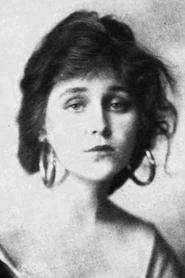
The production of 'The Portrait of Lady Anne' took place at Thanhouser's studio in New Rochelle, New York, which was then known as the 'Hollywood of the East.' Director Lloyd B. Carleton was one of Thanhouser's most prolific directors, often handling multiple projects simultaneously. The ghost effects were particularly challenging for the time, requiring the use of multiple exposure techniques that had to be perfectly timed during filming. Florence La Badie, who played both Lady Anne and her descendant, had to perform her scenes with precise timing to allow for the ghostly overlay effects. The film's supernatural elements were enhanced through the use of tinting, with blue tones applied to the ghost scenes during the printing process. The production was typical of Thanhouser's efficient approach, completing the entire film in just a few days as was common for short films of this era.
What critics said
Trade coverage from 1912 treated The Portrait of Lady Anne as program material; later writers evaluate it through preservation and genre context.
Did you know?
- the release was released during the height of the spiritualism movement in America, when interest in ghosts and the supernatural was at a peak in popular culture.
- Florence La Badie was one of Thanhouser's biggest stars and would tragically die in a car accident just four years later in 1917.
- The film used innovative special effects for its time, including multiple exposures to create the ghostly apparitions.
- Thanhouser Film Corporation was among the leading innovative early film studios, known for their quality productions and technical achievements.
- The film's theme of ancestral spirits influencing the living was a popular motif in early supernatural cinema.
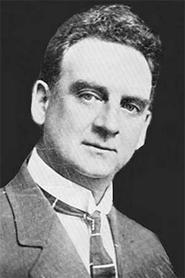
- Justus D. Barnes was famous for being the bandit who gets shot in Edwin S. Porter's 'The Great Train Robbery' (1903).
- the release was part of Thanhouser's 'Thanhouser Twins' series, though La Badie was not actually one of the famous Thanhouser twins.
- The original film print was tinted in blue for the supernatural scenes, a common practice in silent era films.
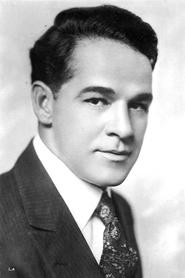
- William Russell would later become a major star in Western films during the 1920s.
- The film was distributed through the Motion Picture Distributing and Sales Company, one of the early film exchanges.
Visual style
The cinematography by Carl Louis Gregory utilized multiple exposure techniques to create the ghostly apparitions, which was cutting-edge for 1912. The film employed careful lighting to distinguish between the natural and supernatural worlds, with the ghost scenes featuring softer, more ethereal lighting. The camera work was relatively static, as was typical of the period, but showed growing sophistication in composition and framing. The use of tinting, particularly blue tones for supernatural sequences, enhanced the otherworldly atmosphere of the film.
Innovations
The film's most significant technical achievement was its use of multiple exposure photography to create convincing ghost effects without post-production manipulation. The double exposure technique required precise blocking and timing from both actors and camera operators. The film also demonstrated sophisticated use of tinting to enhance mood and differentiate between natural and supernatural elements. These effects were particularly impressive for 1912 and showcased Thanhouser's commitment to technical innovation in an era when many studios were still producing very basic films.
Music
As a silent film, 'The Portrait of Lady Anne' would have been accompanied by live musical performance during its theatrical run. The typical score would have been provided by a house pianist or small orchestra, using popular classical pieces and stock musical cues appropriate to the mood of each scene. For the supernatural sequences, music with mysterious or ethereal qualities would have been selected, while romantic scenes would have been accompanied by popular love themes of the period.
Famous quotes
From beyond the veil, I watch and wait to right the wrongs I committed in life.
My penance is to ensure that my descendant does not repeat my mistakes.
Love knows no boundaries, not even that between life and death.
Memorable scenes
- The first appearance of Lady Anne's ghost, emerging from her portrait with ethereal transparency
- The supernatural intervention scene where the ghost prevents the wrong marriage
- The final redemption moment where Lady Anne's spirit finds peace after successfully guiding her descendant
What audiences thought
The film was well-received by audiences of 1912, who were fascinated by supernatural stories and the technical innovations that made ghost effects possible on screen. Thanhouser films were known for their quality, and this production lived up to the studio's reputation. The combination of romance, supernatural elements, and moral themes appealed to the family audiences that were the primary market for films of this era. Audience letters published in trade papers of the time frequently mentioned being 'thrilled' by the ghost scenes and 'moved' by the story of redemption.
Film connections
Influenced by
- The Ghost of Slumber Mountain (1918)
- The Haunted House (1917)
- A Christmas Carol adaptations
This film influenced
- Ghost story films of the 1920s
- Supernatural romance genre
- Ancestral ghost narrative films
Film restoration
The film is partially preserved with some reels missing from the Library of Congress collection. Fragments and stills exist in various archives including the Thanhouser collection and the Museum of Modern Art. A restored version combining available footage with still photographs and intertitles has been assembled by film preservationists.
Where to watch
- Available on DVD from Thanhouser Company Film Preservation releases
- Streaming on some classic film archive websites
- Screenings at silent film festivals and museum retrospectives
- Available through academic film archives and libraries