Harry Benham
Actor
Born: February 26, 1888 in Valparaiso, Indiana, USA Died: April 17, 1969 Active: 1911-1915 (primary period), with occasional work through 1918
Films
5 films
About Harry Benham
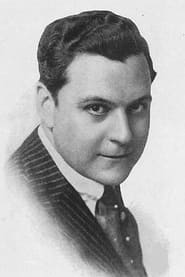
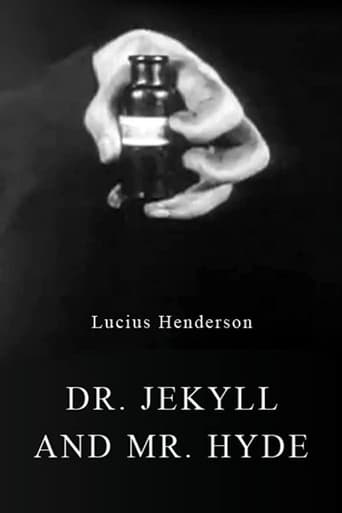
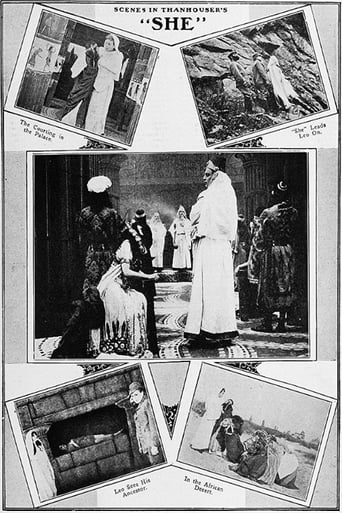
Prominent American silent film actor who rose to fame as one of the leading men for the Thanhouser Film Corporation during the early 1910s. Born in Indiana in 1888, Benham entered the film industry during its formative years and quickly established himself as a reliable and popular leading actor. He starred in numerous productions for Thanhouser between 1911 and 1915, often playing romantic leads opposite the studio's most popular actresses including Marguerite Snow, Florence La Badie, and Muriel Ostriche. His filmography during this prolific period included adaptations of literary classics, contemporary dramas, and early horror films like the 1912 version of Dr. Jekyll and Mr. Hyde. Benham's screen presence and acting style embodied the transition from stage acting to the more subtle techniques required for the new medium of cinema. After leaving Thanhouser around 1915, he made a few additional films for other studios before gradually retiring from acting. He spent his later years working in real estate and other business ventures, living long enough to witness the complete transformation of the film industry from silent pictures to the modern era of cinema.
The Craft
On Screen
Harry Benham's acting style represented the transitional period from theatrical melodrama to more naturalistic screen performance. Like many early film actors, he employed exaggerated gestures and facial expressions to convey emotion in silent films, but gradually developed a more subtle approach suited to the camera. His performances were characterized by earnest sincerity and a dignified presence that made him particularly effective in romantic and dramatic roles. Benham had the ability to convey complex emotions through his eyes and subtle expressions, a skill that became increasingly important as film acting evolved away from stage conventions.
Milestones
- Leading actor for Thanhouser Film Corporation (1911-1915)
- Starred in over 100 films during his career
- Played romantic leads opposite Thanhouser's top actresses
- Appeared in early horror adaptation Dr. Jekyll and Mr. Hyde (1912)
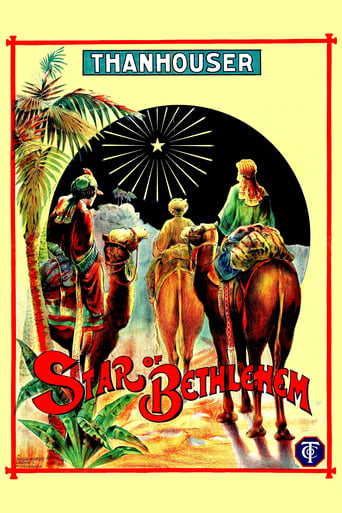
- Featured in The Star of Bethlehem (1912), one of Thanhouser's most ambitious productions
Best Known For
Iconic Roles
Must-See Films
Accolades
Special Recognition
- Pioneer of American Silent Cinema
- Key contributor to Thanhouser Film Corporation's success
Working Relationships
Worked Often With
Studios
Why They Matter
Impact on Culture
Harry Benham contributed significantly to the development of American cinema during its crucial formative years. As one of Thanhouser's leading men, he helped establish the star system that would become fundamental to Hollywood's success. His performances in early adaptations of literary classics helped demonstrate cinema's potential as a serious artistic medium. Benham's work in films like Dr. Jekyll and Mr. Hyde (1912) contributed to the early development of the horror genre in American cinema. His consistent presence in Thanhouser productions during the studio's most creative period (1911-1915) helped establish the company as.
Lasting Legacy
Harry Benham's legacy lies in his role as one of the leading men of American silent cinema. While his name is not widely recognized today, he was instrumental in helping establish the template for the romantic leading man in American films. His body of work with Thanhouser represents an important chapter in the development of narrative cinema in the United States. Film historians and silent cinema enthusiasts recognize Benham as a significant figure who helped bridge the gap between theatrical acting traditions and the new art form of cinema. His performances, preserved in the surviving Thanhouser films, provide valuable insight into the evolution of film acting techniques during the medium's crucial early years.
Who They Inspired
Harry Benham influenced subsequent generations of film actors through his naturalistic approach to screen performance during a transitional period in cinema history. His work helped establish the conventions of romantic leading roles in American film, influencing how leading men would be cast and directed for decades to come. His success at Thanhouser demonstrated the commercial viability of American-produced films featuring American actors, contributing to the industry's shift away from reliance on European imports. While he did not directly mentor famous later actors, his performances served as examples for actors entering the industry during the mid-1910s, helping to establish professional standards for film acting.
Off Screen
Harry Benham was born into a family in Indiana and moved to the East Coast to pursue his acting career. He married and had a family, though details about his personal relationships are scarce in historical records. After retiring from films, he transitioned to a career in real estate and business, demonstrating adaptability beyond the entertainment industry. Benham lived through the entire evolution of cinema from its primitive beginnings to the sophisticated industry it became, though he chose not to remain active in films during the transition to sound. He spent his later years in New York, where he passed away in 1969 at the age of 81.
Did You Know?
- Harry Benham appeared in over 100 films during his career, most of which were one or two-reel shorts
- He was one of the highest-paid actors at Thanhouser during his peak years
- The 1912 Dr. Jekyll and Mr. Hyde in which he starred was one of the earliest American horror films
- Benham was often paired with actress Marguerite Snow, and they became
- Many of Thanhouser's films, including some of Benham's work, were lost when the studio's New York facility burned in 1913
- Unlike many silent film actors, Benham successfully transitioned to business after leaving the film industry
- The Star of Bethlehem (1912), one of his most ambitious films, was Thanhouser's first three-reel production
- Benham was part of Thanhouser's stock company of actors, which was unusual for the time when most studios used freelance performers
- His active years covered the crucial period when American cinema was establishing itself as a dominant force in the global film market
- Benham's surviving films are now preserved by film archives and occasionally screened at silent film festivals
In Their Own Words
(On early film acting) 'The camera demands truth. You cannot lie to it as you might to a theater audience in the back rows.'
(On his Thanhouser years) 'We were pioneers. Every film was an experiment, every performance a discovery of what this new medium could be.'
Frequently Asked Questions
Who was Harry Benham?
American silent film with credits in this catalog. He appeared in over 100 films and was known for his romantic roles and adaptations of literary classics.
What films is Harry Benham best known for?
Titles linked here include Dr. Jekyll and Mr. Hyde (1912), The Star of Bethlehem (1912).
When was Harry Benham born and when did he die?
Born February 26, 1888; died April 17, 1969.
What awards did Harry Benham win?
Harry Benham did not receive formal awards during his career, as the award system for films was not established during his active years. However, he is recognized as a pioneer of American silent cinema.
What was Harry Benham's acting style?
Benham's acting style represented the transition from theatrical melodrama to naturalistic screen performance, characterized by earnest sincerity and a dignified presence that evolved from exaggerated gestures to more subtle camera-appropriate techniques.
Why did Harry Benham's career end so early?
Benham's film career was relatively brief, ending around 1915 when he left Thanhouser. He made a few additional films before retiring from acting and transitioning to a successful career in real estate and business.
What was the Thanhouser Film Corporation?
The Thanhouser Film Corporation was an American film studio (1910-1920) where Benham — leading actor. It was known for its quality productions and competed successfully with European imports during early cinema.