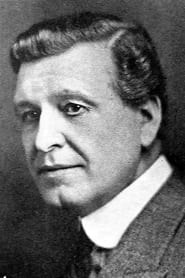
She
"First filmed She quest"
Keys: Space play/pause · ←/→ 10s · F fullscreen · M mute · </> speed
About this film
First screen attempt at H. Rider Haggard's novel She: Leo Vincey and Holly seek immortal queen Ayesha in lost kingdom Kôr in this primitive early adaptation.
Cast & crew
More films like this
More Fantasy films
View all →


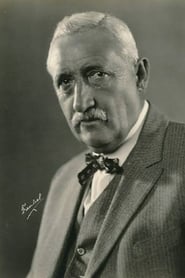
More from George Nichols
View all →


More about this film
About the production
Release dateOctober 3, 1911
Box officeUnknown - box office figures from 1911 were not systematically recorded
ProductionThanhouser Film Corporation
Filmed inNew Rochelle, New York (Thanhouser Studios)
This was one of Thanhouser's early prestige productions, utilizing elaborate sets and costumes to create the fantasy African kingdom. The production employed special effects techniques of the era including double exposure for supernatural elements. The film was shot entirely on studio sets, as location shooting was rare in 1911. The production team created detailed props and costumes to evoke the exotic setting described in Haggard's novel.
Themes
Immortality and its consequencesObsessive loveThe corrupting nature of absolute powerCivilization versus barbarismReincarnation and eternal return
Themes & topics
Historical background
Silent era fantasy adaptations were rudimentary; later versions starred Betty Blythe and Helen Gahagan.
Why this film matters
As the first screen adaptation of influential adventure novels ever written, represents an important milestone in bringing classic literature to cinema. The character of Ayesha became an archetype of the powerful, dangerous woman that would appear in countless films thereafter. The film's success demonstrated the commercial viability of fantasy and science fiction genres in early cinema. It also established a template for future adaptations of Haggard's work, which would be filmed multiple times throughout the 20th century. The film contributed to the popularization of the 'lost world' subgenre in adventure cinema.
Making of
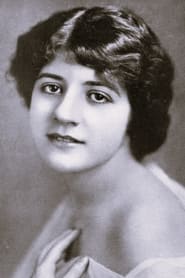
The production was part of Thanhouser's strategy to compete with larger studios by producing high-quality literary adaptations. Director George Nichols, who also acted in many Thanhouser films, brought theatrical experience to the project. The casting of Marguerite Snow as Ayesha was considered a major coup, as she was known for her expressive acting style perfect for the dramatic role. The film's elaborate sets were constructed by Thanhouser's art department under the supervision of Lloyd B. Carleton. Production took approximately three days, which was standard for one-reel films of the era. The cast rehearsed extensively to ensure the dramatic scenes would translate effectively in the silent medium.
What critics said
Survival fragmentary; cited only in Haggard adaptation histories.
Did you know?
- This was the very first film adaptation of H. Rider Haggard's famous novel, predating all other versions by several years
- The film was released in two parts on consecutive weeks to maximize audience engagement and theater revenue
- Marguerite Snow, who played Ayesha, was one of Thanhouser's biggest stars and commanded a salary of $40 per week
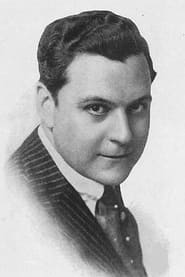
- James Cruze, who played Leo Vincey, would later become a prominent director in Hollywood, directing films like 'The Covered Wagon'
- The film's success led Thanhouser to produce other literary adaptations, including 'Jane Eyre' and 'The Old Curiosity Shop'
- The original novel was one of the best-selling books of the 19th century, having sold over 83 million copies by 1965
- The character of Ayesha was one of the first powerful female antagonists in popular literature and cinema
- Thanhouser promoted the film heavily in trade publications, emphasizing its literary pedigree and spectacular production values
- The film used innovative tinting techniques, with blue tones for night scenes and amber for daylight sequences
- Despite being a silent film, the production included detailed intertitles taken directly from Haggard's prose
Awards & recognition
- None - The Academy Awards were not established until 1929
Visual style
The cinematography was handled by Blair Smith, Thanhouser's chief cameraman. The film utilized static camera positions typical of the era, but incorporated careful composition and lighting to create dramatic effects. Special techniques included iris shots to focus attention on important details and the use of soft focus for dream sequences. The cinematographer employed backlighting to create silhouettes for dramatic scenes and used painted backdrops to extend the studio sets. The film featured some of the earliest attempts at creating supernatural visual effects through double exposure and matte shots.
Innovations
The film featured several technical innovations for its time, including sophisticated set design that created the illusion of the lost African kingdom. The production used early special effects techniques to portray supernatural elements, including double exposure for ghostly appearances and primitive matte shots. The film also experimented with color tinting, using different tints to indicate time of day and enhance mood. The elaborate costume design included multiple changes for the lead actress, which was unusual for one-reel films of the period.
Music
As a silent film, it would have been accompanied by live musical performance in theaters. Theaters typically used compiled scores featuring popular classical pieces such as Mendelssohn's 'Wedding March' for romantic scenes and Wagner's 'Ride of the Valkyries' for dramatic moments. Some larger theaters may have commissioned original compositions specifically for the film. The musical accompaniment was crucial for conveying the emotional tone and dramatic moments of the story.
Famous quotes
'I am she who must be obeyed!'
'I have waited two thousand years for you, my love!'
'The Flame of Life will make us immortal together!'
'You cannot escape your destiny!'
'Love stronger than death itself!'
Memorable scenes
- Ayesha's dramatic entrance in her throne room, surrounded by worshippers
- The climactic scene at the Flame of Life with its mystical effects
- Leo's first glimpse of the immortal queen, causing him to drop his weapon
- Ayesha's transformation scene showing her ancient power
- The final tragic moment when Ayesha realizes her immortality is lost
What audiences thought
The film was reportedly very successful with audiences, leading to increased demand for literary adaptations from Thanhouser. Contemporary newspaper advertisements emphasized the film's spectacular elements and dramatic story. The two-part release strategy proved effective, with theaters reporting strong attendance for both installments. Audience response was particularly positive toward Marguerite Snow's portrayal of the immortal queen, with many viewers requesting more films featuring the actress in similar dramatic roles.
Film connections
Influenced by
- H. Rider Haggard's 1886 novel 'She: A History of Adventure'
- Earlier literary adaptations by Thanhouser
- Theatrical traditions of melodrama
- Contemporary adventure literature
- Egyptian revival aesthetic popular in the 1910s
This film influenced
- She (1916)
- The Most Dangerous Game (1932)
- King Kong (1933)
- She (1935)
- The Lost World (1925)
- Indiana Jones series
- The Mummy (1932)
Film restoration
The film is considered lost, as no complete copies are known to exist. This is common for films from this early period, as the highly flammable nitrate film stock often deteriorated or was destroyed. Only a few production stills and promotional materials survive. The Thanhouser Company Film Preservation Archive continues to search for missing films from this era. Some fragments may exist in private collections or foreign archives, but nothing has been officially confirmed.
Where to watch
- No known viewing availability - the film is considered lost
- Production stills and promotional materials may be viewed at the Thanhouser Company Film Preservation Archive website
- Information about the film can be found in film history books and academic databases
- Some still photographs may be available through the Library of Congress