Films
3 films
About Alphonse Ethier
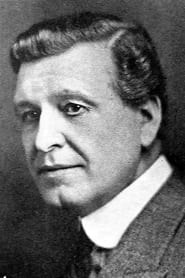
Canadian-born stage and screen actor who worked steadily during the silent era and the earliest years of sound cinema. He is Alphonse Ethier appeared in film records from 1911 through 1928, a period that places him among the large corps of dependable character players who helped establish the emotional and narrative texture of early American filmmaking. Ethier appears to have had a long career on the stage before and alongside his motion-picture work, which was common for performers of his generation as the film industry drew heavily from legitimate theater. Surviving documentation shows him in a range of supporting and featured roles rather than as a marquee star, suggesting that he was valued for reliability, presence, and versatility rather than celebrity. His filmography includes productions from the formative years of the industry, including Cinderella (1911) and the late silent western In Old Arizona (1928). Because he worked primarily in supporting capacity and left a comparatively light biographical footprint, many details of his private life remain obscure, but his name endures in cast lists that trace the evolution of early cinema from one-reel productions to feature-length storytelling.
The Craft
On Screen
Specific contemporary descriptions of Ethier's acting method are scarce, but as a performer from the silent era and early feature period, his work would have relied on clear physical expression, readable gesture, and the controlled use of facial emotion suited to nonverbal storytelling. Supporting players of his type typically balanced theatrical projection with the increasingly intimate style demanded by film close-ups, adapting stage technique to the camera's demands. His continued employment across nearly two decades suggests a style regarded as dependable, flexible, and effective in a variety of roles.
Milestones
- Appeared in motion pictures during the formative years of American screen acting, beginning in 1911
- Was active across the silent era, spanning early one-reel productions through feature-length films
- Worked in Cinderella (1911), placing him among the performers active in some of the earliest surviving narrative film records
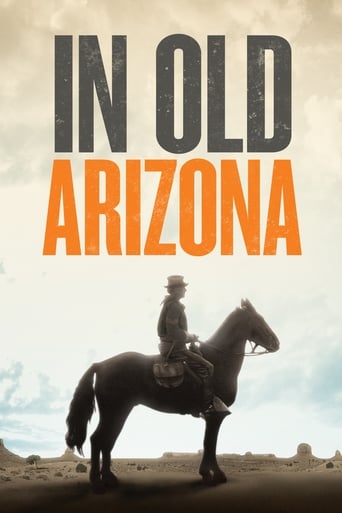
- Appeared in In Old Arizona (1928), a landmark late-silent western associated with the transition toward more sophisticated sound-era production
- Built a career as a dependable character and supporting actor rather than as a studio headliner
- Represents the kind of stage-trained performer who helped bridge theatrical acting traditions and early screen performance
Best Known For
Must-See Films
Why They Matter
Impact on Culture
Alphonse Ethier's cultural importance lies less in stardom than in representation: he is part of the foundational generation of screen performers who gave early cinema its acting vocabulary and its supporting structure. Actors like Ethier helped populate the silent screen with credible secondary figures, enabling narratives to feel inhabited and socially complete at a time when the medium was still defining itself. His career also reflects the interdependence of theater and film in the 1910s and 1920s, when many experienced actors crossed into motion pictures and adapted older performance traditions to the screen. Though not a household name, his presence in early and late silent films makes him part of the living texture of film history, especially for scholars tracking how the industry professionalized and expanded during its first two decades.
Lasting Legacy
Ethier's legacy is primarily archival and historical: he remains visible in film credits that document the development of narrative cinema from short-form productions into the feature era. His career arc, extending from 1911 to 1928, makes him useful to historians studying the continuity between stage-based acting and silent screen performance. While he did not leave behind a widely publicized star persona, his work contributed to the large ensemble of performers who made early Hollywood and the broader American film industry function as a storytelling system. For contemporary researchers, he is a reminder that classic cinema was built not only by legends but also by dependable supporting actors whose names survive in studio records and surviving prints.
Who They Inspired
Ethier's influence is best understood indirectly through the professional model he represents. As a stage-rooted actor working consistently during the silent era, he embodied the transitional performer who could adapt to changing cinematic styles and production practices. That adaptability helped set a standard for future character actors: strong screen presence, reliability across genres, and the ability to support rather than dominate a scene. His career contributes to the broader lineage of early screen acting that informed later generations of performers who learned to modulate theatrical expressiveness for the camera.
Off Screen
Publicly available information about Alphonse Ethier's personal life is extremely limited. Unlike major studio stars of the silent era, he does not appear to have generated substantial press coverage regarding marriages, family life, or private affairs in the surviving mainstream sources commonly consulted for film history. The available record primarily preserves his professional identity through cast credits and filmographies rather than through biographical profiles. As a result, details such as spouse, children, education, and residence are not securely documented in commonly accessible reference material.
Education
Not clearly documented in surviving standard film reference sources; he was likely stage-trained, but specific schooling or dramatic study is not confirmed.
Did You Know?
- He is Alphonse Ethier appeared in film records over a long span for the silent era, from 1911 to 1928.
- Cinderella (1911) places him among the actors associated with some of the earliest narrative screen productions.
- In Old Arizona (1928) is one of his notable late-career credits and sits near the end of the silent era.
- He appears to have been primarily a supporting or character actor rather than a star billed as a lead.
- His surname is sometimes a source of confusion in databases because early film records can be inconsistent in spelling and documentation.
- Unlike major stars of the era, he left behind very little publicized personal biography, which is common for many working actors of the time.
- His career illustrates how many silent-era performers moved between stage and screen without leaving extensive press coverage.
- He is an example of the many craftsmen of early cinema whose names survive mainly in credits and surviving film reference lists.
Frequently Asked Questions
Who was Alphonse Ethier?
Canadian with credits in this catalog. He is best understood as a reliable supporting or character player whose work helped populate early narrative films.
What films is Alphonse Ethier best known for?
Titles linked here include Cinderella (1911), In Old Arizona (1928).
When was Alphonse Ethier born and when did he die?
His birth and death dates are not securely documented in commonly available standard reference sources. The surviving record identifies him mainly through his filmography rather than through a detailed personal biography.
What awards did Alphonse Ethier win?
No major awards or formal honors are widely documented for him in surviving standard references. This is not unusual for working actors of the silent era, especially those who were never promoted as top-billed stars.
What was Alphonse Ethier's acting style?
As a silent-era performer, his style would have relied on expressive physicality, readable facial emotion, and clear gesture rather than spoken dialogue. His continued employment suggests he was adaptable and effective in the restrained but legible performance style required by early cinema.
What is Alphonse Ethier's legacy in film history?
His legacy lies in the historical record of early film acting and the supporting cast system that made silent cinema work. Even without star fame, his credits help document the development of American screen storytelling across nearly two decades.