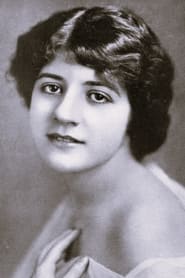
Marguerite Snow
Actor
Born: September 9, 1889 in Salt Lake City, Utah, United States Died: February 17, 1958 Active: 1911-1915
Films
3 films
About Marguerite Snow
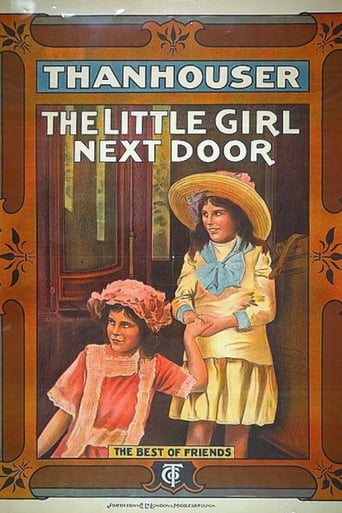
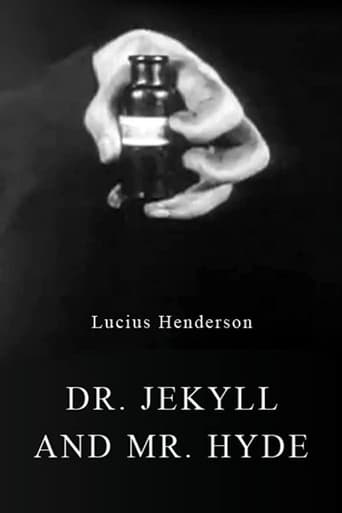
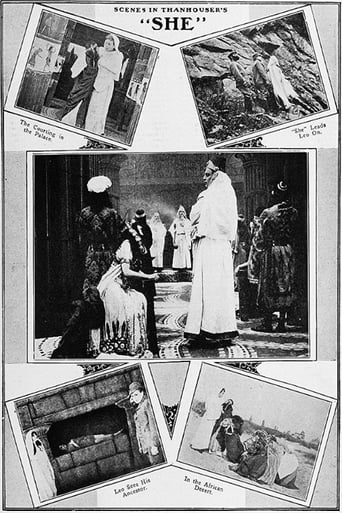
American actress who flourished during the early silent film era, making her mark in the days of cinema. Born into a theatrical family, she began her career on the stage before transitioning to motion pictures in 1911 with the Thanhouser Company, one of America's earliest film studios. Snow quickly became one of Thanhouser's most prominent leading ladies, starring in numerous short films and features that showcased her versatility and dramatic range. Her most notable work came in 1912 when she appeared in several significant productions including the adaptation of Robert Louis Stevenson's 'Dr. Jekyll and Mr. Hyde' and the popular serial 'The Million Dollar Mystery.' Despite her brief but intense period of activity primarily between 1911-1915, Snow appeared in over 70 films, establishing herself as one of the era's most prolific actresses. Her career exemplified the rapid evolution of early American cinema, from one-reel shorts to more complex feature-length narratives. Snow retired from acting in the mid-1910s, leaving behind a substantial body of work that represents an important chapter in silent film history.
The Craft
On Screen
Marguerite Snow embodied the theatrical acting style typical of the early silent era, characterized by exaggerated gestures and dramatic facial expressions that could convey emotion to audiences without dialogue. Her performances combined the melodramatic techniques of her stage background with the emerging subtleties required for the camera, allowing her to excel in both dramatic roles and lighter fare. Snow possessed a natural screen presence that translated well to the medium of film, with expressive eyes and a commanding demeanor that made her particularly effective in roles requiring emotional depth and moral complexity.
Milestones
- Leading lady for Thanhouser Company (1911-1915)
- Starred in 'Dr. Jekyll and Mr. Hyde' (1912)
- Appeared in 'The Million Dollar Mystery' serial (1914)
- Made over 70 films in just four years
- Transitioned from stage to silent film during cinema's formative years
Best Known For
Iconic Roles
Must-See Films
Accolades
Special Recognition
- Recognized as one of Thanhouser Company's most significant early stars
- Films preserved in the Library of Congress and film archives
Working Relationships
Worked Often With
Studios
Why They Matter
Impact on Culture
Marguerite Snow's career represents an important chapter in the development of American cinema during its transition from novelty to art form. As one of the Thanhouser Company's most reliable leading ladies, she helped establish the template for the American film star during an era when the concept of celebrity was still being defined. Her work in early literary adaptations, particularly 'Dr. Jekyll and Mr. Hyde,' contributed to the emerging practice of bringing classic literature to the screen, a trend that would become central to Hollywood's identity. Snow's performances in social issue films like 'The Cry of the Children' demonstrated cinema's potential as a medium for social commentary, helping to establish film as a serious art form capable of addressing complex societal issues.
Lasting Legacy
Though her career was brief, Marguerite Snow left an indelible mark on early American cinema through her extensive body of work with the Thanhouser Company. Her films serve as valuable historical documents of the transitional period in American filmmaking, capturing the evolution from simple one-reel productions to more sophisticated narrative cinema. Many of her surviving films are preserved in major film archives, ensuring that future generations can study the techniques and styles of early silent cinema. Snow's legacy also includes her role in paving the way for future generations of actresses in American film, demonstrating the possibilities for women as leading figures in the new medium of motion pictures.
Who They Inspired
Marguerite Snow influenced the development of screen acting techniques during the crucial formative years of American cinema. Her successful transition from stage to film provided a model for other theatrical performers seeking to adapt their skills for the camera. Her work with various studios helped establish professional standards for film acting during an era when such conventions were still being developed. While she did not mentor specific individuals who went on to major fame, her performances influenced the broader evolution of acting styles in silent film, contributing to the gradual shift from theatrical to more naturalistic screen performance techniques.
Off Screen
Marguerite Snow married fellow actor James Cruze in 1913, who would later become a prominent Hollywood director. Their marriage was significant both personally and professionally, as Cruze directed Snow in several of her later films. The couple divorced in 1922, and Snow largely withdrew from public life following her retirement from acting. She spent her later years away from the entertainment industry, living quietly in California until her death in 1958 at the age of 68.
Education
Educated in Salt Lake City, likely attended local schools before pursuing theatrical training
Family
- James Cruze (1913-1922)
Did You Know?
- Appeared in over 70 films in just four years of active work
- Her husband James Cruze became one of Hollywood's most successful directors in the 1920s
- Many of her Thanhouser films were thought lost but have been rediscovered in international archives
- Worked during the era when film actors were not credited by name in productions
- Her film 'The Cry of the Children' (1912) was selected for preservation in the National Film Registry
- Was one of the highest-paid actresses of her era, earning $75 per week at Thanhouser
- Her sister Mabel Snow also worked as an actress in silent films
- Retired from acting before her 30th birthday
- Surviving films demonstrate the rapid technical evolution of cinema during her brief career
- Worked with multiple film studios during their formative years
Frequently Asked Questions
Who was Marguerite Snow?
American actress who was prominent during the early silent film era, particularly known for her work with the Thanhouser Company between 1911-1915. She appeared in over 70 films and was one of the leading ladies of early American cinema before retiring from acting in her mid-20s.
What films is Marguerite Snow best known for?
Titles linked here include Dr. Jekyll and Mr. Hyde (1912), The Million Dollar Mystery (1914).
When was Marguerite Snow born and when did she die?
Born September 9, 1889; died February 17, 1958.
What awards did Marguerite Snow win?
Marguerite Snow did not receive formal awards during her career, as the film industry's award systems were not yet established during her active years. However, her films have been preserved in the National Film Registry, recognizing their historical significance.
What was Marguerite Snow's acting style?
Snow's acting style was typical of the early silent era, combining theatrical techniques with emerging film performance methods. She used exaggerated gestures and dramatic facial expressions to convey emotion without dialogue, while gradually adapting to the more subtle requirements of camera work.
Was Marguerite Snow married?
Yes, Snow married fellow actor and future director James Cruze in 1913. Their marriage lasted until 1922, during which time Cruze directed Snow in several films before he became one of Hollywood's most prominent directors of the 1920s.