Dr. Jekyll and Mr. Hyde
"Henry Jekyll experiments with scientific means of revealing the hidden."
Keys: Space play/pause · ←/→ 10s · F fullscreen · M mute · </> speed
About this film
Dr. Henry Jekyll experiments with scientific means of revealing the hidden, dark side of man and releases a murderer from within himself.
Cast & crew
More films like this
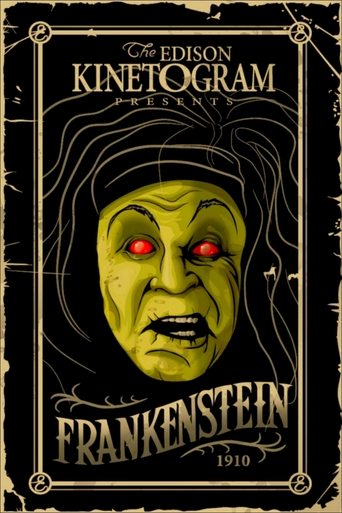
More Horror films
View all →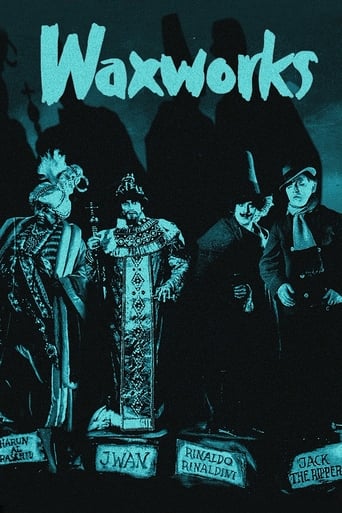
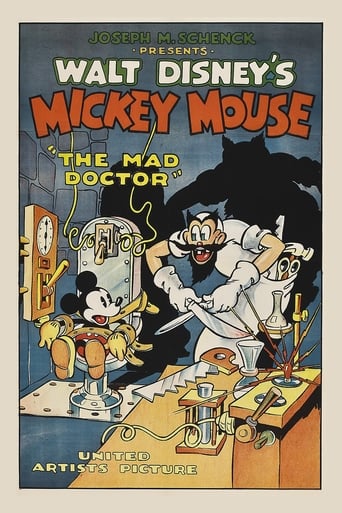
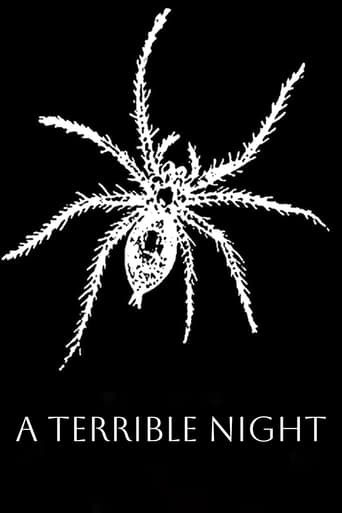

More from Lucius Henderson
View all →
More about this film
About the production
Release dateMarch 29, 1912
Box officeUnknown - box office records from 1912 are not preserved
ProductionThanhouser Film Corporation
Filmed inNew Rochelle, New York (Thanhouser Studios)
This was one of the earliest American film adaptations of Robert Louis Stevenson's famous novella. The production utilized primitive special effects for the transformation scenes, likely involving dissolves and quick cuts. The film was created during Thanhouser's peak period when they were producing multiple one-reel films weekly. The makeup for Mr. Hyde was relatively simple compared to later adaptations, consisting mainly of facial hair alteration and menacing expressions.
Themes
Duality of human natureScientific hubrisGood versus evilThe dangers of repressing dark impulsesVictorian morality
Themes & topics
transformationscientistmurderdual personalityexperimenthorrorgothicpsychological thrillermad scientistVictorian era
Historical background
By 1912, distribution was widening and Dr. Jekyll and Mr. Hyde reached audiences through the theatrical channels dominant before television.
Why this film matters
Restorations and festival bookings keep Dr. Jekyll and Mr. Hyde visible among classic-film communities.
Making of
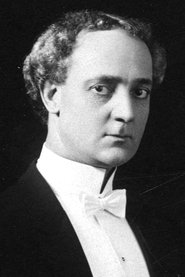
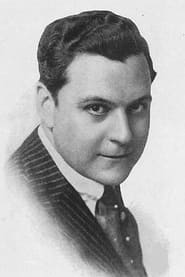
The film was produced during the height of Thanhouser's creative period under the leadership of Edwin Thanhouser. Director Lucius Henderson was a versatile filmmaker who directed numerous shorts for the studio. The production faced the typical challenges of early cinema, including limited lighting equipment, primitive cameras, and the need to shoot scenes quickly due to the cost of film stock. The transformation scenes required careful planning and coordination between the actor and camera crew to achieve the desired effect through simple editing techniques. James Cruze had to convey both the refined nature of Dr. Jekyll and the brutish character of Mr. Hyde primarily through physical acting and facial expressions, as intertitles were minimal in this early production.
What critics said
Modern retrospectives screen Dr. Jekyll and Mr. Hyde to illustrate 1912 pacing and camera norms.
Did you know?
- This was the first American film adaptation of Dr. Jekyll and Mr. Hyde, predating the famous 1920 John Barrymore version by eight years
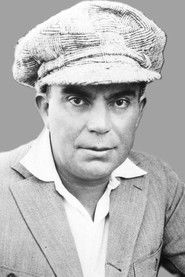
- James Cruze, who played Jekyll/Hyde, would later become a prominent director in Hollywood, directing films like 'The Covered Wagon' (1923)
- The Thanhouser Film Corporation was among the leading innovative early studios, known for their quality productions
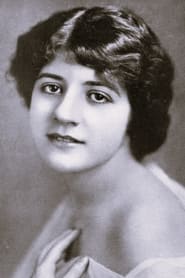
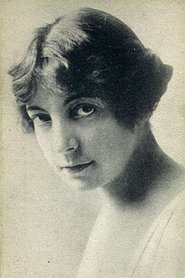
- Marie Eline, who played a child role in the film, was known as 'The Thanhouser Kid' and was one of the first child stars in cinema
- The film was released just three months after another adaptation by the Swedish studio Svenska Biografteatern, making it one of the earliest film versions of the story
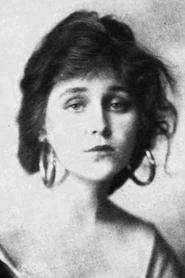
- Florence La Badie was one of Thanhouser's biggest stars and tragically died in a car accident in 1917 at age 29
- The film was considered lost for decades but was discovered and preserved by film archives
- Unlike later adaptations, this version maintains the Victorian setting and moral themes of Stevenson's original novella
- The transformation effects were achieved through in-camera techniques rather than post-production, as was common in the silent era
- This film was part of Thanhouser's strategy to produce literary adaptations to appeal to middle-class audiences
Visual style
The cinematography by Blair Smith utilized the standard techniques of the era, including static camera positions and basic lighting setups. The film employed early special effects techniques for the transformation scenes, likely using dissolve effects and jump cuts to suggest the change from Jekyll to Hyde. The visual style emphasized dramatic lighting to create the contrast between Jekyll's respectable world and Hyde's shadowy existence. The composition followed theatrical conventions of the period, with actors positioned to maximize visibility and emotional impact within the frame.
Innovations
The film demonstrated early attempts at visual effects for transformation sequences, using in-camera techniques rather than optical printing. The production showcased the growing sophistication of narrative storytelling in American cinema, with clear character development and plot progression despite the short runtime. The makeup effects, while simple by modern standards, were innovative for their time in creating a distinct visual difference between the two characters played by the same actor.
Music
As a silent film, it would have been accompanied by live musical performance in theaters, typically piano or organ music. The score would have been improvised by the theater musician or selected from standard mood music libraries. The music would have emphasized the dramatic moments, particularly the transformation scenes and Hyde's violent acts. No original composed score exists for this film, as was typical for productions of this era.
Famous quotes
As a silent film, dialogue was conveyed through intertitles. Key phrases from the story would have appeared on cards, such as: 'Dr. Jekyll's terrible secret', 'The transformation begins', 'Hyde's reign of terror'
Memorable scenes
- The transformation sequence where Dr. Jekyll first drinks the potion and begins his change into Mr. Hyde, achieved through primitive but effective editing techniques of the era
What audiences thought
The film was well-received by audiences of 1912, who were fascinated by the horror genre and stories of transformation. As a Thanhouser production, it benefited from the studio's reputation for quality entertainment. The theme of good versus evil resonated with contemporary audiences, and the shocking nature of Mr. Hyde's crimes provided the thrills that early cinema audiences sought. The film's success helped demonstrate that audiences would respond positively to more sophisticated psychological themes in motion pictures, encouraging studios to pursue similar literary adaptations.
Film connections
Influenced by
- The Strange Case of Dr. Jekyll and Mr. Hyde by Robert Louis Stevenson (1886)
This film influenced
- Dr. Jekyll and Mr. Hyde (1920)
- Dr. Jekyll and Mr. Hyde (1931)
- Dr. Jekyll and Mr. Hyde (1941)
- Numerous later adaptations and transformation films
Film restoration
The film was once considered lost but has been preserved and restored by film archives. A print exists in the Library of Congress collection and has been made available through various archival and educational channels. The restoration has allowed modern audiences to study this important early horror adaptation.
Where to watch
- Library of Congress National Screening Room
- Various film archive websites
- Educational film collections
- Some public domain compilation DVDs of early horror films