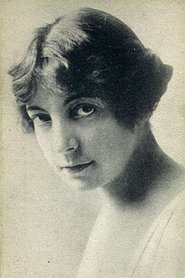
Jane Gail
Actor
Born: August 16, 1890 in Salem, New York, USA Died: January 30, 1963 Active: 1912-1920 Birth Name: Jane Gail Boucher
Films
4 films
About Jane Gail
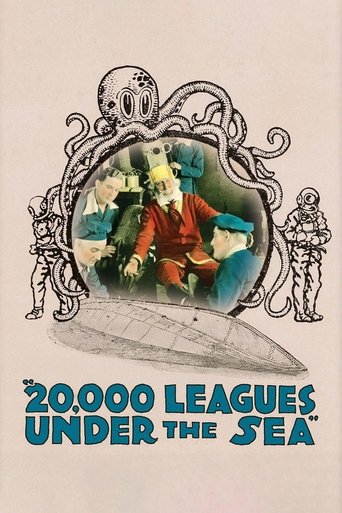
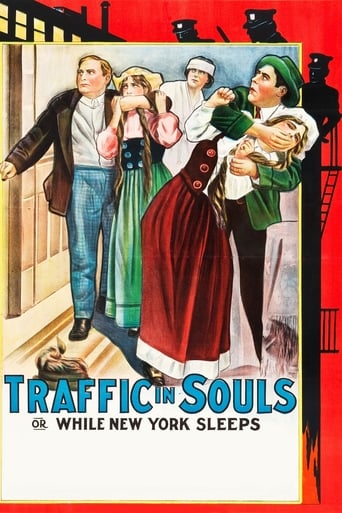
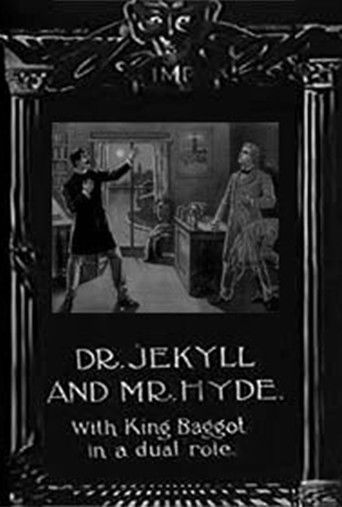
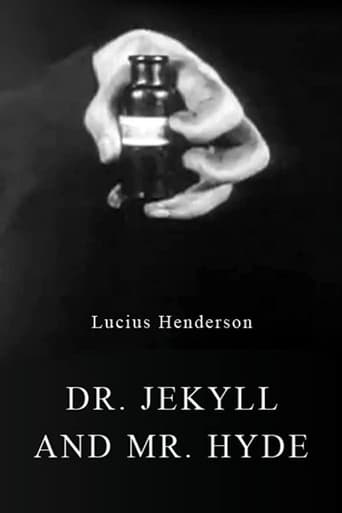
Actress of the American silent film era who rose to prominence during the foundational years of Hollywood cinema. Born in Salem, New York, she entered the film industry in 1912, quickly establishing herself as a versatile performer capable of handling both dramatic and romantic roles. Her breakthrough came with the controversial yet commercially successful 'Traffic in Souls' (1913), one of the earliest feature-length films to tackle social issues. Gail demonstrated remarkable range by appearing in two different adaptations of 'Dr. Jekyll and Mr. Hyde' in consecutive years (1912 and 1913), showcasing her adaptability to different interpretations of the same source material. Her role in '20,000 Leagues Under the Sea' (1916) placed her among the first actors to bring Jules Verne's literary works to the silver screen. While her career was relatively brief, spanning roughly from 1912 to 1920, she worked with several directors and production companies that were shaping the language of cinema. After retiring from acting, she largely disappeared from public life, leaving behind a legacy of performances that helped define early American narrative filmmaking.
The Craft
On Screen
Jane Gail embodied the theatrical acting style typical of the early silent era, characterized by exaggerated gestures and facial expressions to convey emotion without dialogue. Her performances were marked by a certain delicacy and vulnerability that made her particularly effective in melodramatic roles. She had a natural ability to express complex emotions through her eyes and subtle body movements, which set her apart from many of her contemporaries who relied heavily on broad gestures. Gail's technique evolved with the medium, showing increasing subtlety in her later performances as film acting conventions became more sophisticated.
Milestones
- Breakthrough role in 'Traffic in Souls' (1913), one of the first feature-length American films
- Starred in two different adaptations of 'Dr. Jekyll and Mr. Hyde' (1912 and 1913)
- Lead role in '20,000 Leagues Under the Sea' (1916), first major film adaptation
- Worked with early film directors including Lucius Henderson and Stuart Paton
- Became one of the first recognized film stars of the American silent era
Best Known For
Iconic Roles
Must-See Films
Working Relationships
Worked Often With
Studios
Why They Matter
Impact on Culture
Jane Gail's contributions to early cinema were significant during a crucial transitional period when film was evolving from short novelty attractions to sophisticated narrative art form. Her role in 'Traffic in Souls' was particularly impactful as the film was one of the first to demonstrate that feature-length films could address serious social issues while achieving commercial success. This helped establish the viability of longer, more ambitious film projects in the American industry. Her performances in literary adaptations like 'Dr. Jekyll and Mr. Hyde' and '20,000 Leagues Under the Sea' helped establish the tradition of bringing classic literature to the screen, a practice that would become a cornerstone of Hollywood filmmaking. As one of the early film stars who gained recognition through her work rather than stage background, Gail represented the new type of celebrity that the film medium was creating.
Lasting Legacy
Jane Gail's legacy lies in her contributions to the foundational development of American narrative cinema during its most formative years. While she may not be as widely remembered as some of her contemporaries who successfully transitioned to sound films, her work in several groundbreaking productions helped establish conventions that would influence filmmaking for decades. Her performances survive as valuable examples of early film acting techniques and the evolution of screen performance styles. The films in which she appeared, particularly 'Traffic in Souls' and '20,000 Leagues Under the Sea,' remain important historical artifacts that showcase the technical and artistic development of early American cinema. Her career trajectory also reflects the challenges faced by many silent era actors who found it difficult to maintain their careers as the industry rapidly evolved.
Who They Inspired
Jane Gail influenced subsequent generations of actors primarily through her work in establishing the archetype of the vulnerable yet resilient female protagonist in early American cinema. Her performances helped demonstrate how actresses could carry complex emotional narratives without dialogue, setting standards for screen acting that would evolve throughout the silent era. Her success in literary adaptations helped establish the market for classic literature adaptations, creating opportunities for future actors to work with prestigious source material. While she didn't directly mentor specific individuals who went on to greater fame, her body of work served as a reference point for actresses entering the industry during the mid-1910s.
Off Screen
Jane Gail married actor and director Phillips Smalley in 1916, though the marriage ended in divorce. She later married Harry H. Gurnee in 1925, with whom she remained until his death. Unlike many of her contemporaries, Gail largely withdrew from public life after retiring from films, choosing to live a private existence away from Hollywood. She had no children and spent her later years in New York, where she passed away in 1963 at the age of 72.
Education
Limited information available about her formal education, which was typical for actors of her era who often entered the profession through theater connections rather than formal training.
Family
- Phillips Smalley (1916-1920)
- Harry H. Gurnee (1925-1955)
Did You Know?
- She appeared in two different versions of 'Dr. Jekyll and Mr. Hyde' in consecutive years, playing different characters in each
- 'Traffic in Souls' (1913) was one of the first full-length feature films produced in America and was a massive commercial success
- Her real name was Jane Gail Boucher, but she shortened it for her film career
- She worked with director George Loane Tucker on 'Traffic in Souls', which was considered controversial for its time
- Her role in '20,000 Leagues Under the Sea' (1916) made her one of the first actresses to star in a major science fiction film
- She was part of the transition from short films to feature-length productions in American cinema
- Unlike many silent stars, she successfully retired from acting rather than struggling with the transition to sound
- Her marriage to Phillips Smalley connected her to one of early Hollywood's most prominent directing couples (Smalley was previously married to Lois Weber)
- She worked for multiple early film studios, reflecting the fluid nature of the industry before the studio system was fully established
- Her performances survive today as important examples of early American narrative cinema
In Their Own Words
The motion picture is the art form of the future, and I am proud to be part of its birth
In film, we must show what we feel, not tell it - our faces become the words
Every gesture, every glance must mean something when there are no words to help you
Frequently Asked Questions
Who was Jane Gail?
American silent film actress active from 1912 to 1920, known for her roles in early feature films including 'Traffic in Souls' and '20,000 Leagues Under the Sea.' She was one of the actresses who helped establish narrative cinema in America during its formative years.
What films is Jane Gail best known for?
Titles linked here include Traffic in Souls (1913), Dr. Jekyll and Mr. Hyde (1912).
When was Jane Gail born and when did she die?
Born August 16, 1890; died January 30, 1963.
What awards did Jane Gail win?
Jane Gail did not receive formal awards during her career, as she worked before the establishment of major award systems like the Academy Awards. Her recognition came from critical acclaim and the commercial success of her films, particularly 'Traffic in Souls' which was a groundbreaking production.
What was Jane Gail's acting style?
Jane Gail's acting style reflected the theatrical approach common in early silent cinema, characterized by expressive gestures and facial features. However, she was noted for her ability to convey subtle emotions through her eyes and developed a more nuanced technique as film acting conventions evolved throughout the 1910s.