



Traffic in Souls
"Last prostitution"
Keys: Space play/pause · ←/→ 10s · F fullscreen · M mute · </> speed
About this film
A woman, with the aid of her police officer sweetheart, endeavors to uncover the prostitution ring that has kidnapped her sister, and the philanthropist who secretly runs it.
Cast & crew
More films like this
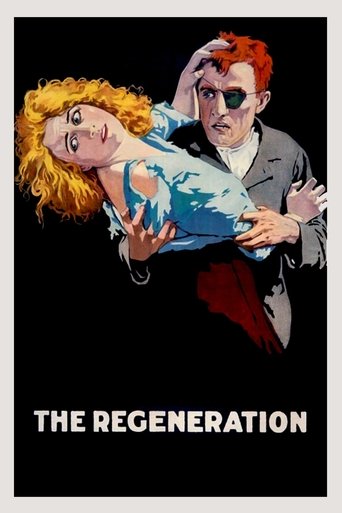
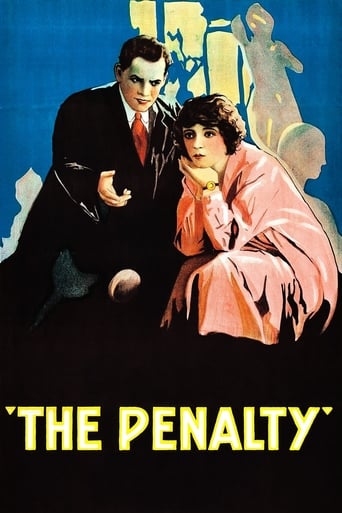
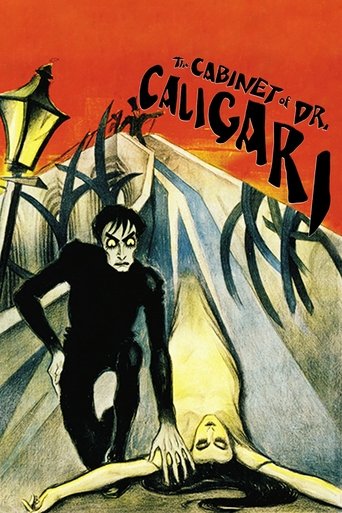
More Crime films
View all →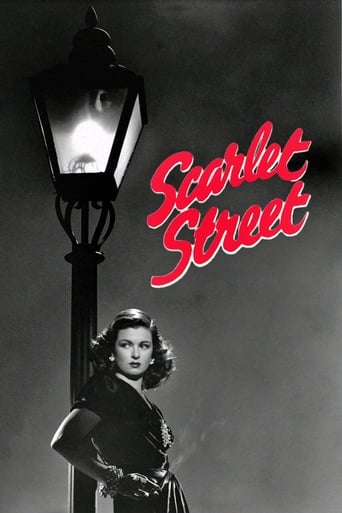


More about this film
About the production
Release dateNovember 24, 1913
BudgetApproximately $7,000 (considered substantial for 1913)
Box officeExtremely successful, reportedly earned over $450,000, making it among the leading profitable films of 1913
ProductionUniversal Film Manufacturing Company, Independent Moving Pictures (IMP)
Filmed inNew York City, New York, Fort Lee, New Jersey
Traffic in Souls was filmed in just two weeks but required extensive location shooting in New York City to capture the authentic urban atmosphere. The production faced significant challenges due to the controversial subject matter, with local authorities attempting to shut down filming in several locations. Director George Loane Tucker used innovative techniques including location shooting, night scenes, and complex narrative structure that was uncommon for the period. The film's realistic depiction of New York's underworld required careful coordination with local authorities and was partially filmed using hidden cameras to capture authentic street scenes.
Themes
White slavery and human traffickingUrban corruptionMoral hypocrisyThe exploitation of vulnerable womenThe dark side of urbanization
Themes & topics
white slaveryprostitutionkidnappingpolice investigationundercover operationsocial reformurban crimecorruptionrescue missionsister relationship
Historical background
Made in its country of production around 1913, Traffic in Souls belongs to the silent era's formative years. Its story of a woman, with the aid of her police officer sweetheart, endeavors to uncover the prostitution ring that has kidnapped her sister, and the philanthropist who secretly runs it spoke to audiences of the day through familiar genres and topical settings.
Why this film matters
Archivists and historians still cite Traffic in Souls when tracing how the silent era's formative years filmmakers staged police and officer on screen.
Making of
The production of Traffic in Souls was marked by controversy and innovation. Director George Loane Tucker, working with Universal's Carl Laemmle, pushed boundaries with both subject matter and filmmaking techniques. The film was rushed into production to capitalize on public interest in white slavery investigations that were headline news at the time. Tucker employed documentary-style filming techniques, using real locations and sometimes filming without permits to capture authentic urban scenes. The cast faced significant challenges, particularly Jane Gail who performed many of her own stunts in the rescue sequences. The film's success caught everyone by surprise, as Universal had initially planned it as a modest B-picture. The production team had to quickly produce additional prints to meet demand, and the film's profits helped fund Universal's expansion into a major studio.
What critics said
Reviews from 1913 weighed Traffic in Souls on pacing, performance, and novelty. Later criticism reads its emphasis on police, officer, sweetheart through modern standards of craft and representation.
Did you know?
- Traffic in Souls is considered one of the first feature-length films to expose white slavery, predating similar exposé films by several years
- The film was so controversial that it was banned in several cities upon release, including Chicago and Philadelphia
- Director George Loane Tucker also wrote the screenplay and reportedly based it on actual investigations into human trafficking rings
- The success of helped establish Universal as a major player in the film industry
- It was one of the first films to use the 'split screen' technique to show simultaneous action
- The film's title was changed to 'While New York Sleeps' for some markets to avoid censorship issues
- Many of the extras in the film were actual New York City residents, not professional actors
- The film's massive success led to a wave of 'vice films' in the 1910s, though most were less successful
- Traffic in Souls was one of the first films to be advertised as a 'feature presentation' rather than just another short film
- The film's realistic portrayal of police procedures led to criticism from actual law enforcement officials
Visual style
The cinematography of Traffic in Souls was innovative for its time, featuring extensive location shooting in New York City rather than relying solely on studio sets. Director of Photography Arthur Martinelli employed natural lighting techniques and experimented with night scenes using available light sources. The film made effective use of tracking shots to follow characters through urban environments and utilized split-screen techniques to show simultaneous action. The visual style emphasized the contrast between the respectable upper-class world and the seedy underworld, using lighting and composition to reinforce these divisions.
Innovations
Traffic in Souls pioneered several technical innovations that would become standard in later cinema. It was one of the first films to effectively use parallel editing to build suspense across multiple storylines. The film's use of location shooting in urban environments set a new standard for realism in American cinema. Tucker employed innovative camera techniques including tracking shots and dynamic camera movement that were unusual for the period. The film also featured one of the earliest uses of split-screen to show simultaneous action, a technique that wouldn't become common until decades later.
Music
As a silent film, Traffic in Souls was accompanied by live musical performances during its theatrical run. Theaters typically used compiled scores featuring popular classical pieces and dramatic music to enhance the suspenseful scenes. Universal provided musical cue sheets to theater orchestras, suggesting appropriate music for various scenes. The score emphasized dramatic tension during kidnapping sequences and provided romantic themes for the love story elements. Some larger theaters commissioned original compositions for the film's engagement.
Famous quotes
While New York sleeps, the traffic in souls goes on!
In this great city, virtue is a commodity and innocence is its price.
The respectable philanthropist by day becomes the slave trader by night.
Memorable scenes
- The dramatic kidnapping sequence where Lorna is lured into the white slavery trap, filmed with realistic urgency and featuring innovative camera work that emphasizes her vulnerability
- The climactic raid on the brothel, where police storm the building and rescue the enslaved women, featuring extensive action sequences and special effects for the period
- The split-screen sequence showing the simultaneous operation of the trafficking network across multiple locations in New York City
What audiences thought
Traffic in Souls was a phenomenal commercial success, drawing enormous crowds in major cities across America. Audiences were shocked by its frank depiction of white slavery but also fascinated by the exposé style. The film's success led to long lines at theaters and repeat viewings, with many newspapers reporting on the 'traffic in souls' phenomenon. Despite being banned in some conservative markets, the controversy actually increased its appeal in other areas. The film's success proved that audiences were ready for longer, more complex narratives with adult themes, fundamentally changing audience expectations for cinema.
Film connections
Influenced by
- Contemporary newspaper exposés on white slavery
- Progressive Era social reform movements
- The Chicago White Slavery Commission reports
- Earlier crime films like 'The Musketeers of Pig Alley'
This film influenced
- The Inside of the White Slave Traffic (1913)
- The Traffic in Souls sequel (1914)
- D.W. Griffith's 'The Escape' (1914)
- Various gangster films of the 1930s
- Film noir of the 1940s and 1950s
Film restoration
Traffic in Souls survives in complete form and has been preserved by major film archives. The Library of Congress holds a 35mm print in their collection, and the film has been restored by several institutions including the Museum of Modern Art. A restored version was released on DVD by Kino International as part of their 'American Silent Horror' collection. The film is considered one of the better-preserved titles from the early 1910s period, though some deterioration is visible in existing prints.
Where to watch
- Available on DVD from Kino International
- Streaming on Amazon Prime Video
- Available on the Criterion Channel
- Can be viewed at the Library of Congress Packard Campus
- Screenings occasionally held at film archives and museums including MoMA and the UCLA Film & Television Archive