Films
2 films
About William H. Turner
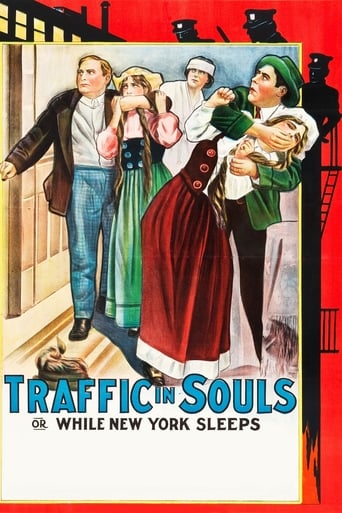
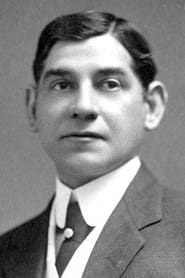
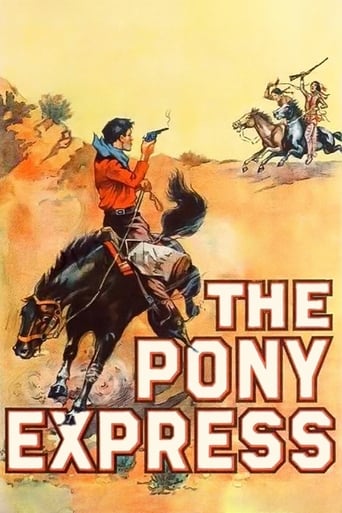
William H. Turner worked on one surviving credit: Traffic in Souls (1913). His screen career ran from 1913 to 1925, during which he appeared in several films including the notable exploitation film 'Traffic in Souls' (1913), which was one of the first feature-length films to tackle the controversial topic of white slavery. He also appeared in the Western film 'The Pony Express' (1925), which was among his later film appearances. Like many actors of his era, Turner worked during the transitional period when cinema was establishing itself as a major art form and entertainment medium. His filmography appears to be relatively limited, suggesting he may have been a character actor or someone who supplemented his income with occasional film work rather than being a full-time movie star. The transition to sound films in the late 1920s likely marked the end of his acting career, as was common for many silent era performers.
The Craft
Milestones
- Appeared in 'Traffic in Souls' (1913), one of the earliest American exploitation films
- Acted in 'The Pony Express' (1925), a silent Western film
- Worked during the silent film era spanning over a decade
Best Known For
Must-See Films
Why They Matter
Impact on Culture
William H. Turner's contribution to cinema, while modest, represents the work of countless character actors and supporting players who were essential to the film industry during its formative years. His appearance in 'Traffic in Souls' connects him to an important early film that pushed boundaries in terms of subject matter and helped establish the feature film format in American cinema. The film was controversial for its time and dealt with themes of prostitution and human trafficking, making it a significant entry in early American social problem films. While Turner himself may not have achieved star status, his participation in such films demonstrates how even minor actors contributed to groundbreaking cinema that would influence future generations of filmmakers and help establish cinema as a medium for addressing social issues.
Lasting Legacy
As a supporting actor from the silent era, William H. Turner's legacy is primarily preserved through the films in which he appeared. His work in 'Traffic in Souls' ensures his place in film history as a contributor to one of early cinema's most controversial and influential productions. The film itself has been studied by film historians as an example of early exploitation cinema and as a precursor to later social problem films. Turner's career trajectory, spanning the early years of American feature films through the mid-1920s, represents the typical path of many actors who worked during cinema's transition from short subjects to feature-length storytelling. While not a household name, his work exemplifies the collaborative nature of early filmmaking and the importance of character actors in bringing stories to life during the silent era.
Did You Know?
- Appeared in 'Traffic in Souls' (1913), which was
- The film 'Traffic in Souls' was reportedly produced on a budget of $5,700 but earned over $450,000, making it enormously successful
- Worked during a period when actors were often uncredited, making complete filmographies difficult to compile
- His active years covered the early years of American feature films through the mid-1920s
- The transition to sound films in the late 1920s likely ended the careers of many silent era actors like Turner
Frequently Asked Questions
Who was William H. Turner?
American with credits in this catalog.' He was likely a character actor or supporting player rather than a leading star.
What films is William H. Turner best known for?
Titles linked here include Traffic in Souls (1913), The Pony Express (1925).
When was William H. Turner born and when did he die?
Specific birth and death dates for William H. Turner are not readily available in historical records, which is common for many supporting actors from the silent era who were not extensively documented in contemporary press.
What awards did William H. Turner win?
There are no records of William H. Turner receiving any major awards or nominations. During the early 1910s and 1920s, the film industry had not yet established the comprehensive award systems that would later become common.
What was William H. Turner's acting style?
Specific details about William H. Turner's acting style are not well-documented, which is typical for supporting actors from the silent era. Like many actors of his time, he likely employed the exaggerated gestures and facial expressions characteristic of silent film performance.