The Pony Express
"Riders against time"
Keys: Space play/pause · ←/→ 10s · F fullscreen · M mute · </> speed
About this film
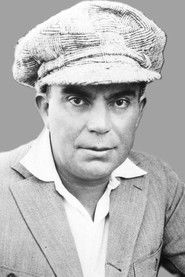
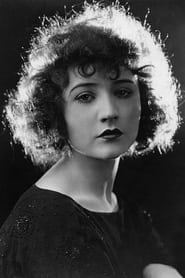
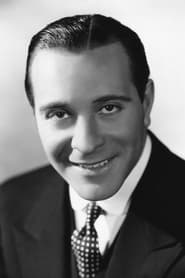
James Cruze directs Betty Compson and Ricardo Cortez in a Paramount silent about Pony Express riders.
Cast & crew
More Western films
View all →

More from James Cruze
View all →

More about this film
About the production
Release dateSeptember 20, 1925
Box officeSuccessful for its time, though exact box office figures are not available in historical records
ProductionFamous Players-Lasky Corporation
Filmed inCalifornia locations, Sierra Nevada mountains, Paramount Studios lot
James Cruze, known for his epic scale Westerns, utilized extensive location shooting to capture authentic western landscapes. The production involved hundreds of extras and elaborate stunt sequences for the riding scenes. Betty Compson, who starred in the film, was married to director James Cruze at the time, adding personal dynamics to the production. The film required careful coordination for the many horseback riding sequences and action set pieces typical of Cruze's grand productions.
Themes
Courage and individual heroism in the face of overwhelming oddsThe triumph of human determination over natural obstacles and human adversariesThe importance of communication in connecting a vast and developing nationThe conflict between civilization and wildernessRomance blossoming in challenging and dangerous circumstances
Themes & topics
Historical background
1925 placed The Pony Express within United States cinema as Famous Players-Lasky Corporation navigated wartime markets, immigration audiences, and the shift from intertitles to sound.
Why this film matters
Archivists revisit The Pony Express (1925) for James Cruze style, genre norms at Famous Players-Lasky Corporation, and the exhibition context of 96 minutes programming.
Making of
The production of 'The Pony Express' was typical of James Cruze's ambitious approach to historical epics. Cruze insisted on extensive location shooting to capture the authentic western atmosphere, taking his cast and crew to remote areas of California and the Sierra Nevada mountains. The filming was challenging due to the remote locations and the need to coordinate complex action sequences involving horses, riders, and various stunt effects. Betty Compson's role as the female lead was significant, as she was one of the few actresses of the era who could carry a major production. The relationship between Compson and Cruze (they were married from 1925-1930) may have influenced the production dynamics, though their marriage was reportedly strained during this period. The film required massive logistical planning for the many riding sequences, and the production team had to ensure the safety of both actors and animals during the dangerous stunt work. The costumes and sets were meticulously researched to reflect the 1860s period accurately, adding to the film's historical authenticity.
What critics said
Retrospective writing on The Pony Express stresses craft by James Cruze, print survival, and repertory value rather than opening-week gross alone.
Did you know?
- The film was directed by James Cruze, among the leading respected directors of silent Western epics, who was married to star Betty Compson during production
- The real Pony Express operated for only 18 months, from April 1860 to October 1861, making it one of the shortest-lived but most mail services in American history
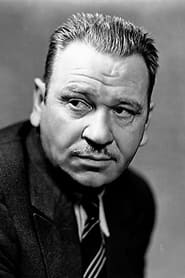
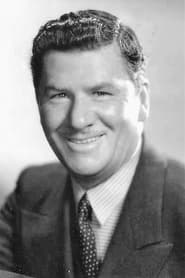
- Wallace Beery and George Bancroft, mentioned in some cast lists, do not actually appear in this film - this is a common confusion with other Paramount Westerns of the era
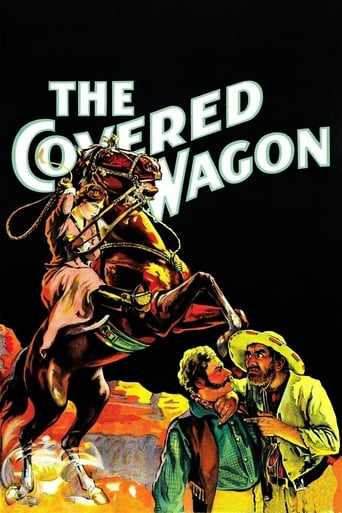
- The film was one of several historical Westerns that James Cruze directed for Paramount, following his success with 'The Covered Wagon' (1923)
- Ricardo Cortez, who played the male lead, was born Jacob Krantz and was one of the few Latin actors to achieve leading man status in Hollywood during the silent era
- The production used over 1,000 horses during filming, requiring extensive coordination and care for the animals
- Many of the riding stunts were performed by the actors themselves, as stunt doubles were not as commonly used in the 1920s
- The film's release coincided with the height of the silent film era, just two years before 'The Jazz Singer' would revolutionize the industry with sound
- Paramount invested heavily in the production, recognizing the public's appetite for historical dramas about American frontier life
- The film's intertitles were written by Anthony Coldeway, who would later receive an Academy Award nomination for Best Writing
Visual style
The cinematography of 'The Pony Express' employed the sophisticated visual storytelling techniques typical of mid-1920s cinema. The film made extensive use of long shots to capture the vast western landscapes and emphasize the isolation and danger faced by the riders. Dynamic tracking shots following horseback riders created a sense of movement and urgency that was particularly effective in silent films. The cinematographer likely used natural lighting for exterior scenes, creating authentic western atmospheres that enhanced the film's historical realism. Strategic use of close-ups conveyed emotion and highlighted important narrative moments, compensating for the lack of dialogue. The camera work during action sequences, particularly the riding scenes, would have been technically challenging for the era and demonstrated the growing sophistication of film cinematography. The visual style balanced epic scale with intimate moments, creating a rich visual tapestry that told the story without words.
Innovations
'The Pony Express' represented several significant technical achievements for mid-1920s filmmaking. The film's large-scale action sequences, particularly those involving multiple riders and horses, required considerable coordination and technical skill to capture effectively. The production likely employed some of the early camera movement techniques that were becoming more sophisticated during this period, including tracking shots that followed the riders. The seamless integration of location footage with studio sets demonstrated the growing technical capabilities of Hollywood studios. The film's ability to create convincing historical settings and costumes showcased the art department's technical expertise. The riding sequences, many of which were performed by the actors themselves, required innovative approaches to ensure safety while maintaining visual excitement. The production's use of natural landscapes combined with constructed sets showed the advancing techniques of film production design during the silent era.
Music
As a silent film, 'The Pony Express' would have been accompanied by live musical performance during its original theatrical runs. Major theaters typically employed organists or small orchestras to provide musical accompaniment that matched the mood and action on screen. The score would have included popular songs of the era, classical pieces adapted for the film's various scenes, and specially composed music for key sequences. Musical cues were often provided to theater musicians to coordinate the music with the film's important moments. The music would have been particularly crucial during action sequences to enhance excitement and during romantic scenes to underscore the emotional content. While specific details about the original musical accompaniment for this film are not documented, it would have followed the typical practices of the era for major silent productions, with music playing an essential role in the overall viewing experience.
Famous quotes
Through storm and danger, the mail must go through! - Intertitle
Riders wanted: Young, skinny, wiry fellows not over eighteen. Must be expert riders, willing to risk death daily. Orphans preferred. Wages $25 per week. - Intertitle reproducing the famous Pony Express advertisement
From St. Joseph to Sacramento in ten days - the impossible made possible! - Intertitle
Every rider carries his life in his saddlebags and the nation's hopes in his mail pouch. - Intertitle
Memorable scenes
- The spectacular sequence showing multiple riders changing horses at full speed at Pony Express stations, demonstrating the efficiency and danger of the operation
- The climactic race against time to deliver a crucial message, with the rider facing increasingly dangerous obstacles
- Romantic scenes between Betty Compson and Ricardo Cortez's characters, providing emotional relief from the constant action
- The large-scale battle sequences featuring attacks on riders by outlaws and hostile Native Americans
- The opening sequence establishing the need for faster mail service across the vast western territories
- Scenes depicting the harsh winter conditions that riders had to endure while making their deliveries
What audiences thought
The film was well-received by audiences of its time, who had a strong appetite for Western films and historical dramas. The spectacle of Pony Express riders racing across dangerous terrain proved particularly thrilling for 1920s moviegoers. The romantic subplot between Betty Compson and Ricardo Cortez's characters added emotional appeal that broadened the film's audience beyond Western enthusiasts. The film's success at the box office indicated that it resonated with contemporary audiences' interests in American history and frontier adventure. Like many successful films of the silent era, it benefited from the public's fascination with the rapidly receding American frontier and the mythology surrounding it. The film's blend of action, romance, and historical drama made it accessible to a wide audience, and its status as a major Paramount production with star power ensured strong initial attendance.
Film connections
Influenced by
- The Covered Wagon (1923) - James Cruze's earlier Western epic that established his approach to historical frontier stories
- The Iron Horse (1924) - John Ford's epic about the transcontinental railroad that demonstrated audience appetite for historical Westerns
- 19th century American literature about the West, including works by Bret Harte and Mark Twain
- The growing popularity of historical epics in 1920s cinema
- Contemporary fascination with America's frontier mythology and the closing of the West
This film influenced
- Union Pacific (1939) - Cecil B. DeMille's epic about railroad construction that shares themes of progress and sacrifice
- Stagecoach (1939) - John Ford's classic Western that owes a debt to earlier historical Westerns like this one
- Later films about mail delivery and communication in the West
- Subsequent historical Westerns that blended fact with romantic fiction
- The development of the epic Western genre throughout the 1930s and 1940s
Film restoration
The preservation status of 'The Pony Express' (1925) is uncertain. Many silent films from this era have been lost due to the unstable nature of early film stock and neglect during the transition to sound films. However, given that this was a major Paramount production directed by the notable James Cruze, there is a possibility that copies survive in film archives such as the Library of Congress, the UCLA Film & Television Archive, or other major film preservation institutions. The film may exist in incomplete form or only in certain specialized collections. Without definitive documentation from major film archives, its exact preservation status remains uncertain, and film historians continue to search for surviving copies of this important silent Western.
Where to watch
- Potentially available through specialized film archives and museum collections that preserve silent films
- May be screened at silent film festivals or classic cinema events
- Could be accessible through film libraries or academic institutions with extensive silent film collections
- If preserved, might be available through the Library of Congress or other major film preservation institutions for research purposes
- Possible availability through specialized classic film distributors or archives that focus on silent cinema