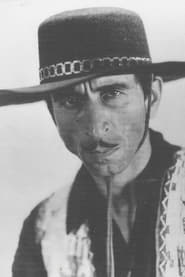
Frank Lackteen
Actor
Born: August 29, 1897 in Zgharta, Ottoman Empire (now Lebanon) Died: July 8, 1968 Active: 1915-1949 Birth Name: Frank Mohammed Lackteen
Films
4 films
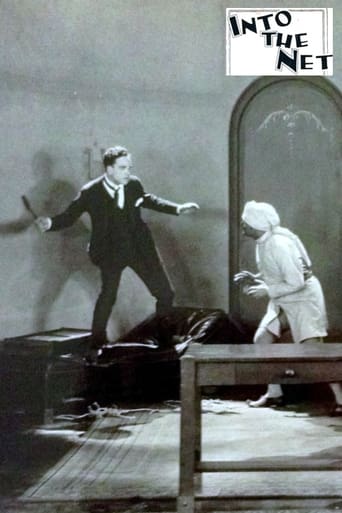
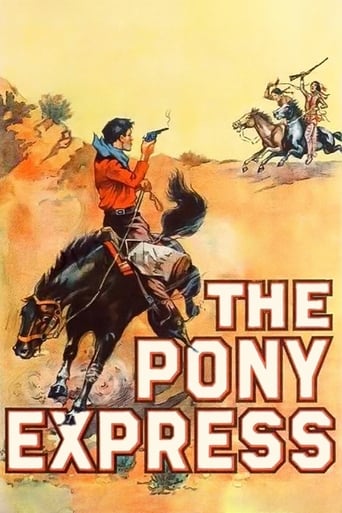
About Frank Lackteen
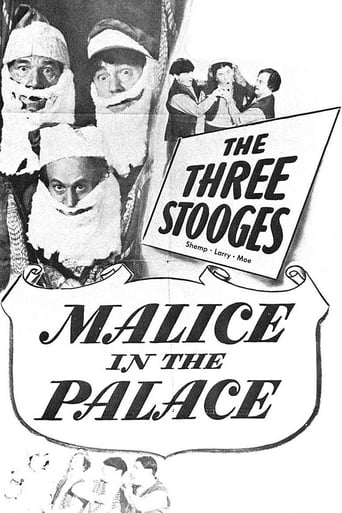
Frank Lackteen performed in over 200 films during Hollywood's golden age. Born in Lebanon, he immigrated to the United States as a child and began his film career in the silent era, often typecast in villainous or ethnic roles due to his distinctive appearance. Throughout the 1920s and 1930s, he became one of Hollywood's most recognizable supporting players, frequently appearing as henchmen, spies, or exotic characters in adventure serials, westerns, and drama films. His both the silent and sound eras, allowing him to adapt his acting style to the new medium of talkies. By the 1940s, he had become a familiar face in B-movies and serials, often working with studios like Universal and Republic Pictures. Despite never achieving leading man status, his consistent work ethic and distinctive screen presence made him a valuable character actor for three decades. His final appearances were in the late 1940s, including a memorable turn in the Three Stooges comedy 'Malice in the Palace' (1949).
The Craft
On Screen
Lackteen specialized in playing villains, henchmen, and exotic characters with a menacing presence. His distinctive facial features, including piercing eyes and a prominent nose, made him instantly recognizable on screen. In silent films, he used exaggerated physical gestures and intense facial expressions to convey emotion. With the advent of sound, he developed a gravelly voice that perfectly complemented his villainous roles, often playing foreign spies, desert chieftains, or criminal masterminds.
Milestones
- Appeared in over 200 films during his 34-year career
- Transitioned successfully from silent films to talkies
- Became a regular in Universal and Republic Pictures serials
- Worked with major stars including John Wayne, Buster Crabbe, and The Three Stooges
- Established himself as one of Hollywood's most recognizable ethnic character actors
Best Known For
Iconic Roles
Must-See Films
Working Relationships
Worked Often With
Studios
Why They Matter
Impact on Culture
Frank Lackteen represents an important figure in Hollywood history as one of the few actors of Middle Eastern descent to achieve consistent work during the studio era. While often typecast in stereotypical villainous roles, his presence helped diversify the visual landscape of American cinema during a period when ethnic diversity was rare on screen. His work in serials helped define the visual language of adventure cinema, and his menacing presence influenced how villains were portrayed in B-movies and serials for decades.
Lasting Legacy
Lackteen's legacy lies in his remarkable filmography of over 200 appearances, making him. Film historians and classic cinema enthusiasts recognize him as an essential part of Hollywood's supporting cast during the golden age. His work in serials has been preserved and celebrated by film preservationists, ensuring that future generations can appreciate his contributions to popular cinema. He remains a favorite among fans of classic serials and B-movies who appreciate his distinctive screen presence.
Who They Inspired
While Lackteen never achieved star status, his consistent work ethic and ability to transform himself into various villainous archetypes influenced subsequent generations of character actors. His success in finding a sustainable career through typecasting provided a model for other ethnic actors working in Hollywood's studio system. Film scholars studying representation in classic cinema often cite his career as an example of both the limitations and opportunities available to minority actors during this period.
Off Screen
Frank Lackteen was known as a private individual who rarely discussed his personal life in public. He immigrated to the United States with his family as a young child and grew up in the Boston area before moving to Hollywood to pursue acting. He was proud of his Lebanese heritage but often faced typecasting due to his ethnic appearance. Despite being typecast, he embraced his niche in Hollywood and became.
Education
Limited information available about his formal education, likely educated in Boston area schools after immigration
Family
- Unknown (marriage details not publicly documented)
Did You Know?
- Born in the Ottoman Empire (modern-day Lebanon) and immigrated to America as a child
- Appeared in more than 200 films but was Frank Lackteen appeared in fewer than half of them
- Often played characters of various ethnicities, not just Middle Eastern ones
- Was a regular in Universal's horror films of the 1930s
- Worked with virtually every major serial star of the 1930s and 1940s
- His distinctive appearance made him a popular choice for 'heavy' roles in B-movies
- Appeared in Three Stooges shorts in the 1940s, including 'Malice in the Palace'
- Was one of the few actors of Middle Eastern descent to have a consistent Hollywood career during this era
- His last film appearance was in 1949, after which he retired from acting
- Despite playing villains, he was reportedly well-liked by his co-stars and directors
In Their Own Words
In an interview: 'I may always play the villain, but I've made a good living at it, and audiences seem to love to hate me.'
On typecasting: 'If Hollywood wants me to be the bad guy, I'll be the best bad guy they've ever had.'
Frequently Asked Questions
Who was Frank Lackteen?
Screen credits include over 200 films from the silent era through the 1940s, often playing villains, henchmen, and exotic characters in Hollywood productions.
What films is Frank Lackteen best known for?
Titles linked here include The Phantom Empire (1935), Flash Gordon Conquers the Universe (1940).
When was Frank Lackteen born and when did he die?
Born August 29, 1897; died July 8, 1968.
What awards did Frank Lackteen win?
Frank Lackteen did not receive any major awards during his career, as was common for character actors of his era, though he was recognized for his prolific work ethic and reliability as a supporting player.
What was Frank Lackteen's acting style?
Lackteen specialized in playing menacing villains and exotic characters, using his distinctive facial features and intense screen presence to create memorable antagonists in both silent and sound films.