Ernest Torrence
Actor
Born: June 26, 1878 in Edinburgh, Scotland Died: May 15, 1933 Active: 1919-1933
Films
12 films
About Ernest Torrence
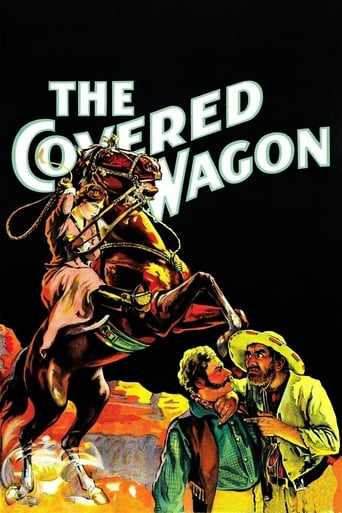
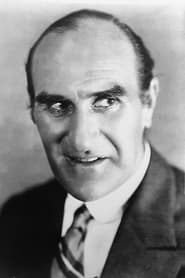
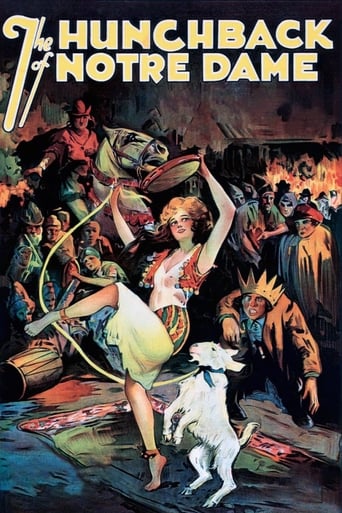
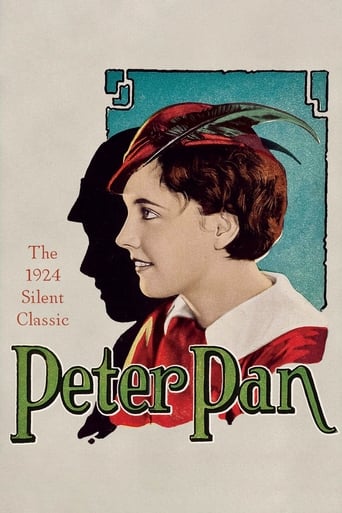
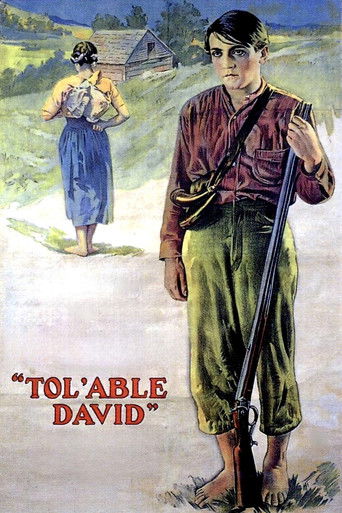
Scottish-American character actor who became recognizable faces of the silent era — known for his imposing stature and powerful screen presence. Born in Edinburgh, Scotland, he initially trained as an opera singer at the Royal Academy of Music in London before transitioning to acting on Broadway. His breakthrough film role came in 1921's Tol'able David, where his portrayal of the villainous Luke Hatburn established him as a formidable antagonist in Hollywood. Torrence went on to appear in numerous landmark silent films, including The Covered Wagon (1923), The Hunchback of Notre Dame (1923) opposite Lon Chaney, and his performance as Captain Hook in Peter Pan (1924). Standing 6'4" tall with a commanding presence, he successfully transitioned to sound films, utilizing his deep, resonant voice that had served him well in his opera career. His career was cut tragically short when he died suddenly in 1933 at age 54 from complications following surgery, just as he was establishing himself as a character actor in the new sound era.
The Craft
On Screen
Torrence was known for his imposing physical presence and commanding screen demeanor, often playing villains or authority figures with remarkable depth and complexity. His background in opera gave him exceptional vocal control and stage presence that translated powerfully to both silent and sound films. He had a unique ability to make antagonistic characters multidimensional, often bringing a sense of tragedy or pathos to his villainous roles. His acting technique combined physical intimidation with subtle emotional nuance, allowing him to dominate scenes while maintaining character authenticity.
Milestones
- Breakthrough role as Luke Hatburn in Tol'able David (1921)
- Starred in the epic Western The Covered Wagon (1923)
- Played Jehan Frollo in The Hunchback of Notre Dame (1923) opposite Lon Chaney
- Iconic portrayal of Captain Hook in Peter Pan (1924)
- Successful transition to sound films in the early 1930s
- Established himself as one of Hollywood's premier character actors
Best Known For
Iconic Roles
Must-See Films
Accolades
Special Recognition
- Posthumous star on the Hollywood Walk of Fame
Working Relationships
Worked Often With
Studios
Why They Matter
Impact on Culture
Ernest Torrence significantly influenced the development of the character actor archetype in early Hollywood cinema, particularly in the portrayal of complex antagonists. His performance as Captain Hook in Peter Pan set the standard for future interpretations of the character, combining menace with a certain theatrical charm. In The Covered Wagon, one of the first great Western epics, Torrence helped establish the template for the Western villain that would influence the genre for decades. His ability to transition successfully from silent films to talkies demonstrated that character actors with strong theatrical training could adapt to the new medium, paving the way for other stage-trained actors to enter Hollywood.
Lasting Legacy
Ernest Torrence's legacy endures through his memorable performances in some of the most significant films of the silent era. His portrayal of Captain Hook remains. As a character actor, he helped establish the importance of supporting roles in carrying the emotional weight of major productions. His career demonstrated the value of classical training and theatrical background in film acting, influencing subsequent generations of character actors. Though his career was cut short, his impact on the development of cinematic villainy and character acting continues to be recognized by film historians and classic cinema enthusiasts.
Who They Inspired
Torrence influenced subsequent generations of character actors through his demonstration that villains could be complex, multidimensional characters rather than simple antagonists. His success in both dramatic and adventure films showed the versatility possible for character actors, encouraging others to avoid typecasting. His smooth transition to sound films proved that actors with strong vocal training and stage experience could thrive in the new medium, encouraging more theatrical performers to pursue film careers. Actors like Basil Rathbone, Claude Rains, and later character actors who specialized in playing sophisticated villains owe a debt to Torrence's work in establishing the archetype of the intelligent, cultured antagonist.
Off Screen
Ernest Torrence married Catherine K. Torrence in 1914, and they remained married until his death in 1933. The couple had no children. Torrence was known for his cultured background and musical talents outside of his film career. He maintained homes in both Hollywood and New York, reflecting his continued connection to theater. His death was sudden and unexpected, occurring just days after what was described as a minor surgery, shocking the film industry and his many fans.
Education
Royal Academy of Music, London - Opera training
Family
- Catherine K. Torrence (1914-1933)
Did You Know?
- Torrence — professionally trained opera singer before turning to acting
- He stood 6'4" tall, making him an imposing figure in films
- His brother was actor David Torrence
- He was originally cast in the 1930 film 'The Big Trail' but died before filming began
- Torrence spoke multiple languages fluently, including French and German
- He was considered for the role of the Phantom in the 1925 version of 'The Phantom of the Opera'
- Despite often playing villains, he was known as a gentle, kind man off-screen
- His death certificate listed the cause as 'peritonitis following abdominal surgery'
- He was one of the few silent film actors who successfully made the transition to sound films without any decline in his career
- Torrence — skilled pianist and often entertained friends and colleagues at his home
In Their Own Words
The villain must believe he is the hero of his own story. That is what makes him truly dangerous.
In opera, we project to the back of the hall. In film, we must project to the back row of the audience's mind.
Playing the heavy is not about being evil; it's about being misunderstood in the most dramatic way possible.
The camera sees everything, especially what you try to hide. That is its magic and its curse.
Frequently Asked Questions
Who was Ernest Torrence?
Scottish-American character with credits in this catalog.
What films is Ernest Torrence best known for?
Titles linked here include Peter Pan (1924), Tol'able David (1921).
When was Ernest Torrence born and when did he die?
Born June 26, 1878; died May 15, 1933.
What was Ernest Torrence's background before acting?
Before becoming an actor, Torrence — professionally trained opera singer who studied at the Royal Academy of Music in London and performed on stage in Europe and America.
How did Ernest Torrence transition from silent films to sound films?
Torrence successfully transitioned to sound films due to his operatic training and deep, resonant voice, appearing in early talkies like 'The Bad One' (1930) and 'The Big Pond' (1930) before his untimely death.
What made Ernest Torrence's acting style distinctive?
Torrence's acting style was characterized by his imposing 6'4" stature, commanding presence, and ability to bring complexity and depth to villainous roles, often making his antagonists sympathetic or tragic figures.
What was Ernest Torrence's final film role?
Torrence's final film role was in 'Gabriel Over the White House' (1933), which was released posthumously after his death in May 1933.