
The Fighting Coward
"Quaker manners in a Southern feud"
Keys: Space play/pause · ←/→ 10s · F fullscreen · M mute · </> speed
About this film
Southerner Tom Rumford was sent up north to be raised by relatives who happen to be Quakers. As a result, he returns home a passive, peace-loving young man, completely out of place in an area where men kill over issues of honor.
Cast & crew
More films like this
More Comedy films
View all →







More from James Cruze
View all →

More about this film
About the production
Release dateMarch 30, 1924
ProductionParamount Pictures
Filmed inParamount Studios, Hollywood, California
The film was produced during the peak of James Cruze's career at Paramount, when he was one of the studio's most prestigious directors. The production utilized elaborate sets to recreate both the Quaker community in Pennsylvania and the antebellum South. The film featured extensive location shooting for outdoor sequences, which was somewhat unusual for the period. Paramount invested significantly in period-accurate costumes and props to authenticate the Southern setting.
Themes
Cultural conflict between North and SouthPacifism versus violencePersonal identity and heritageCourage and convictionHonor and reputation
Themes & topics
QuakerSouthern gentlemanDuelingHonor cultureFish out of waterCultural clashPacifistComing of ageLove triangleFamily honor
Historical background
Paramount Pictures positioned The Fighting Coward for 1924 audiences accustomed to weekly program changes in urban theaters.
Why this film matters
Revival audiences read The Fighting Coward as evidence of 1924 taste for stories about southerner tom rumford was sent up north to be raised by relatives who happen to be quaker.
Making of
Director James Cruze was known for his meticulous attention to detail and his ability to extract nuanced performances from his actors. For 'The Fighting Coward,' he worked closely with the cast to develop the cultural contrasts between the Quaker and Southern lifestyles. Ernest Torrence, who stood at 6'4" and had an imposing presence, was cast against type as a character who initially appears threatening but ultimately reveals depth. The production faced challenges in creating authentic period settings, with the art department working extensively to ensure both the Pennsylvania Quaker community and Kentucky plantation settings were historically accurate. Mary Astor, still early in her career, received guidance from Cruze on how to portray a Southern belle with both charm and strength. The film's action sequences were carefully choreographed to highlight the contrast between violence and non-violence, a theme that Cruze emphasized throughout the production.
What critics said
Silent-era reviewers devoted little space to The Fighting Coward, typical for a release of its scale in 1924.
Did you know?
- This was one of several collaborations between director James Cruze and star Ernest Torrence, who frequently played imposing character roles in Cruze's films.
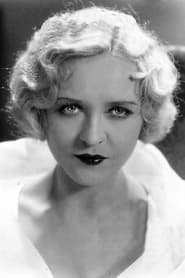
- Mary Astor was only 18 years old when she appeared in this film, early in her long and distinguished career that would span over four decades.
- The film's theme of cultural clash between North and South reflected ongoing tensions in American society nearly 60 years after the Civil War.
- Noah Beery, who plays the villain, was the father of actor Noah Beery Jr. and the older brother of Wallace Beery, creating a notable acting dynasty.
- The film was based on a story by playwright and screenwriter Waldemar Young, who frequently collaborated with director Cecil B. DeMille.
- James Cruze was known for his ability to handle both epic spectacles and intimate character dramas, and this film showcased his versatility.
- The film's title was somewhat ironic, as the protagonist's journey involves discovering that true courage has nothing to do with violence.
- Paramount marketed the film as both a comedy and a drama, reflecting the complex tone of the story.
- The film was released during the height of the silent era, just a few years before sound would revolutionize Hollywood.
- Ernest Torrence, despite his intimidating presence, was actually classically trained and had a background in opera before turning to acting.
Visual style
The cinematography by Karl Brown utilized the visual language of silent cinema to emphasize the cultural contrasts at the heart of the story. The Quaker scenes were shot with softer lighting and more static compositions to convey the peaceful, orderly nature of that community, while the Southern sequences featured more dynamic camera movement and dramatic lighting to reflect the passionate, volatile atmosphere. Brown employed careful framing to highlight the physical presence of Ernest Torrence and the delicate features of Mary Astor, creating visual contrasts that reinforced their character dynamics. The film made effective use of location shooting for outdoor scenes, particularly in sequences depicting the Kentucky landscape, which added authenticity to the production. Interior scenes were carefully lit to create the appropriate mood for each setting, with the Quaker meeting house scenes featuring natural light effects while the plantation interiors used more dramatic chiaroscuro.
Innovations
The Fighting Coward utilized several technical innovations common to mid-1920s Paramount productions. The film employed the latest in lighting technology, including the use of artificial sunlight effects for outdoor scenes shot on studio sets. The production made extensive use of multiple camera setups, allowing for more dynamic editing and visual variety than earlier silent films. The costume department created historically accurate period clothing using advanced dyeing and fabric treatment techniques available in the 1920s. The film's special effects, while minimal, included carefully orchestrated stunt sequences that required precise timing and coordination between performers and camera operators. The movie was shot on standard 35mm film with an aspect ratio of 1.33:1, which was typical for the era, but the cinematography made creative use of this format through careful composition and movement.
Music
As a silent film, The Fighting Coward would have been accompanied by live musical performance during its original theatrical run. The score would have been compiled from various classical pieces and popular songs of the era, selected to match the mood of each scene. The Quaker sequences would likely have featured more subdued, religious-themed music, while the Southern scenes would have incorporated more lively, romantic compositions. Theaters often employed full orchestras for major productions like this Paramount release, with the music carefully synchronized to the on-screen action. The film's climactic scenes would have been accompanied by increasingly dramatic musical selections to heighten the emotional impact. Unfortunately, no original cue sheets or specific musical selections for this film have survived, which was common for many silent productions.
Famous quotes
A man's courage is measured not by his willingness to fight, but by his readiness to stand for his convictions.
Honor is not found in the drawing of a gun, but in the strength of one's principles.
They call me coward because I will not kill, but I ask you, who is the braver man - he who follows the crowd, or he who follows his conscience?
Memorable scenes
- The opening sequence showing young Tom Rumford being sent away from his Southern home to live with Quaker relatives, establishing the cultural divide that drives the narrative.
- The scene where Tom first returns to his Southern home and is mocked for his pacifist beliefs, highlighting the cultural clash.
- The climactic confrontation where Tom must choose between his Quaker principles and protecting his family's honor, demonstrating his growth as a character.
What audiences thought
The Fighting Coward performed moderately well at the box office upon its release, appealing to audiences who appreciated James Cruze's reputation for quality filmmaking. Viewers responded positively to the film's humor while also engaging with its more serious themes about courage and conviction. The contrast between Northern and Southern cultures resonated with audiences in both regions, though some Southern viewers found the critique of honor culture somewhat pointed. The film's blend of comedy with thoughtful drama was seen as a refreshing change from more straightforward genre pictures of the era. Mary Astor's performance was particularly popular with male audiences, while Ernest Torrence's character arc was praised by viewers who appreciated stories of personal growth and moral courage.
Film connections
Influenced by
- The Birth of a Nation (1915) - for its portrayal of Southern culture
- Way Down East (1920) - for its moral themes and dramatic structure
- The Covered Wagon (1923) - James Cruze's previous success with American themes
This film influenced
- The Virginian (1929) - similar themes of Western honor codes
- The Plainsman (1936) - cultural conflict themes
- Gone with the Wind (1939) - Southern cultural depiction
Film restoration
The Fighting Coward is considered a lost film. No complete copies are known to exist in any film archives or private collections. This status is unfortunately common for silent films, as an estimated 75% of American silent films have been lost due to deterioration, neglect, or the destruction of nitrate film stock. Some production stills and promotional materials survive, which provide some visual documentation of the film, but the actual moving images have not been preserved. The loss of this James Cruze film represents a significant gap in the director's available filmography and in the documentation of 1920s cinema.
Where to watch
- Unfortunately, The Fighting Coward is not available for viewing as it is considered a lost film. No copies are known to exist in any format. Film enthusiasts interested in James Cruze's work can seek out his surviving films such as 'The Covered Wagon' (1923), 'The Great K&A Train Robbery' (1926), or 'I Cover the Waterfront' (1933).