
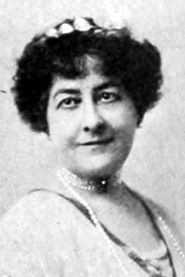
Helen Dunbar
Actor
Born: May 10, 1861 in Philadelphia, Pennsylvania, United States Died: June 28, 1934 Active: 1915-1931 Birth Name: Helen K. B. Dunbar
Films
2 films
About Helen Dunbar
American actress who flourished during the silent film era, bringing elegance and gravitas to her numerous character roles. Born in 1861, she began her film career relatively late in life, making her debut in her 50s, which gave her a natural advantage for portraying maternal and aristocratic characters. Her breakthrough came in the early 1910s when she transitioned from stage work to the burgeoning film industry, quickly establishing herself as a reliable character actress. Dunbar's most notable appearance was in the 1922 blockbuster 'Beyond the Rocks' alongside Rudolph Valentino and Gloria Swanson, where she played the character of Lady Eileen. Throughout her career, she appeared in over 60 films, working with major studios including Paramount and Famous Players-Lasky. Her performances were characterized by a dignified presence and emotional depth that resonated with audiences of the silent era. Dunbar continued acting through the transition to sound films, though her screen appearances diminished in the early 1930s. She retired from filmmaking in the early 1930s and passed away in Los Angeles in 1934, leaving behind a legacy of memorable character performances that helped define the golden age of silent cinema.
The Craft
On Screen
Helen Dunbar was known for her naturalistic yet dignified acting style that brought authenticity to her character portrayals. She specialized in playing aristocratic women, society matrons, and maternal figures with a commanding presence that required minimal theatrical gestures. Her performances were marked by subtle facial expressions and controlled body language, making her particularly effective in close-ups where her expressive eyes conveyed deep emotion. Dunbar's mature appearance and refined demeanor made her ideal for roles requiring gravitas and social standing, and she often served as a stabilizing presence in ensemble casts. Her technique was rooted in her stage experience but adapted effectively to the intimacy of the camera, allowing her to create memorable characters despite often limited screen time.
Milestones
- Breakthrough role in 'Beyond the Rocks' (1922) with Rudolph Valentino
- Prolific character actress with over 60 film appearances
- Transition from stage actress to successful film career in her 50s
- Regular performer for Paramount Pictures and Famous Players-Lasky
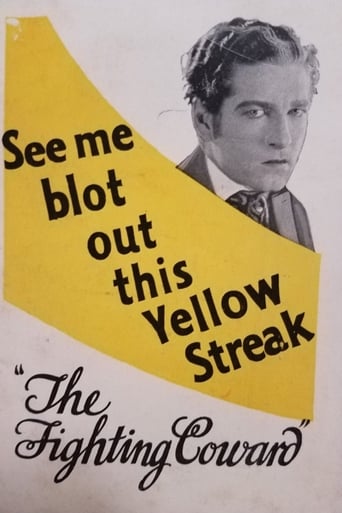
- Notable supporting role in 'The Fighting Coward' (1924)
Best Known For
Iconic Roles
Must-See Films
Accolades
Special Recognition
- Posthumous recognition as a significant contributor to silent cinema
- Featured in film preservation efforts for lost silent films
Working Relationships
Worked Often With
Studios
Why They Matter
Impact on Culture
Helen Dunbar contributed significantly to the development of character acting in silent cinema, helping establish the importance of supporting roles in creating rich, believable film worlds. Her work in major productions like 'Beyond the Rocks' helped legitimize the presence of mature actresses in an industry often focused on youthful stars. Dunbar's ability to convey complex emotions through subtle performance techniques influenced how character actors approached their craft in the silent era. Her presence in high-profile productions demonstrated the value of experienced performers in lending credibility and depth to ensemble casts. As one of the relatively few women who found success in films after age 50 during this period, she helped pave the way for future generations of mature actresses.
Lasting Legacy
Helen Dunbar's legacy lies in her substantial body of work that exemplifies the crucial role of character actors in silent cinema. Though not a major star, her performances in over 60 films provide valuable documentation of acting techniques and storytelling methods from the silent era. Her appearance in the long-lost film 'Beyond the Rocks,' which was rediscovered in 2003, has ensured her place in film history and introduced her work to new generations of cinema enthusiasts. Dunbar represents the journey of many stage actors who successfully transitioned to film, bringing theatrical skills to the new medium. Her career serves as an example of how maturity and life experience could be valuable assets in character acting, challenging the industry's typical focus on youth.
Who They Inspired
Helen Dunbar influenced subsequent generations of character actresses by demonstrating the power of subtlety and restraint in film performance. Her naturalistic approach to aristocratic and maternal roles set standards for how such characters should be portrayed on screen. Younger actresses who worked with her benefited from her professional attitude and technical mastery of silent film acting. Dunbar's success in transitioning from stage to film in mid-life provided a model for other mature performers considering careers in motion pictures. Her work continues to be studied by film historians and preservationists as representative of the high quality of supporting performances in classic Hollywood cinema.
Off Screen
Helen Dunbar maintained a relatively private personal life despite her public career. She married early in life and was widowed before beginning her film career, which may have influenced her decision to enter the film industry in her 50s. She was known among her colleagues as a professional and dedicated actress who brought life experience to her roles. Dunbar never had children and devoted herself entirely to her craft. She lived in Los Angeles during her film career and remained in California until her death. Her transition from stage to film was relatively unusual for someone of her age at the time, but her maturity and life experience became assets in her character roles.
Education
Stage acting training and theater experience in the late 19th century
Family
- Unknown (deceased before film career)
Did You Know?
- Began her film career at age 54, unusually late for an actress of her era
- Appeared in 'Beyond the Rocks,' which was considered a lost film for 80 years until a print was discovered in the Netherlands in 2003
- Made the transition from stage actress to film actress during the early days of Hollywood
- Often typecast as society women, aristocrats, and mothers due to her dignified appearance
- Worked with some of the biggest stars of the silent era including Rudolph Valentino
- Her real name was Helen K. B. Dunbar, though she rarely used her middle initials professionally
- Appeared in films for three different major studios during her career
- Was part of the stable of character actors that studios relied on to add credibility to their productions
- Continued working into the early sound era, though her appearances became less frequent
- Died in Los Angeles at age 73, having witnessed the complete transition from silent to sound films
In Their Own Words
The camera is much more honest than the stage audience - it sees everything you try to hide
Age is not a handicap in films if you have lived enough to understand human nature
Playing mothers and society women is not about acting old, it's about acting wise
Frequently Asked Questions
Who was Helen Dunbar?
American actress who worked primarily in silent films during the 1910s and 1920s. She was known for playing character roles, often portraying aristocratic women, society matrons, and maternal figures. She appeared in over 60 films and is best remembered for her role in 'Beyond the Rocks' (1922) alongside Rudolph Valentino and Gloria Swanson.
What films is Helen Dunbar best known for?
Titles linked here include Beyond the Rocks (1922), The Fighting Coward (1924).
When was Helen Dunbar born and when did she die?
Born May 10, 1861; died June 28, 1934.
What awards did Helen Dunbar win?
Helen Dunbar did not receive major formal awards during her career, which was common for character actors in the silent era. However, she has received posthumous recognition as a significant contributor to silent cinema and is featured in film preservation efforts, particularly for her work in the rediscovered film 'Beyond the Rocks'.
What was Helen Dunbar's acting style?
Helen Dunbar was known for her dignified and naturalistic acting style that brought authenticity to her character portrayals. She specialized in subtle performances with minimal theatrical gestures, using expressive facial features and controlled body language. Her mature appearance and refined demeanor made her particularly effective in roles requiring gravitas and social standing.