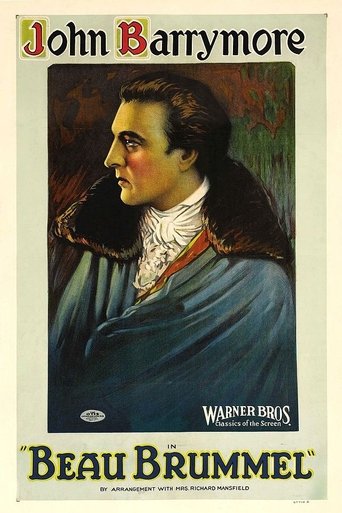

Mary Astor
Actor
Born: May 3, 1906 in Quincy, Illinois, USA Died: September 25, 1987 Active: 1921-1964 Birth Name: Lucile Vasconcellos Langhanke
Films
8 films

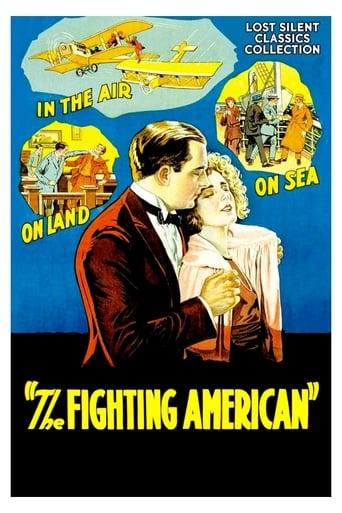
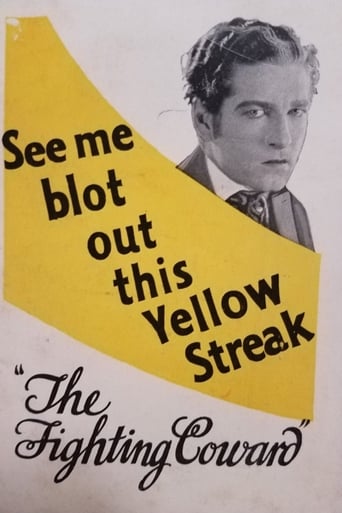
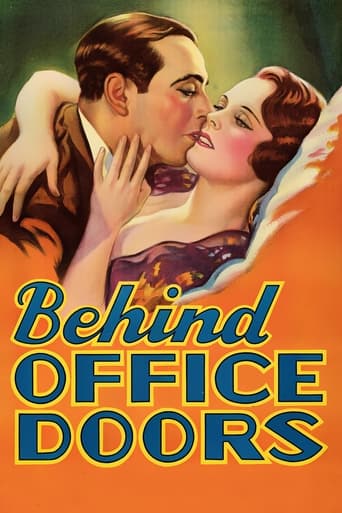
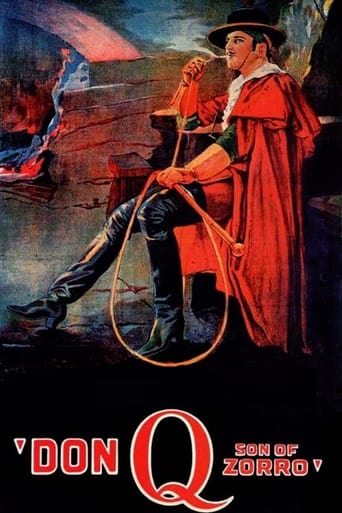
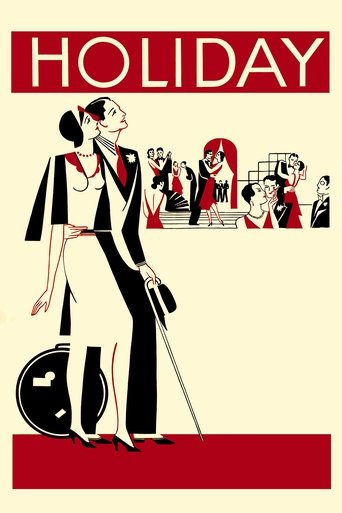
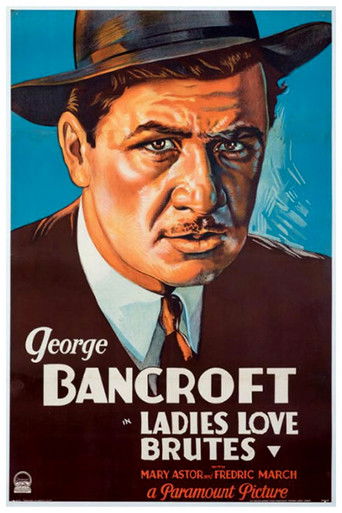
About Mary Astor
Mary Astor was born Lucile Vasconcellos Langhanke on May 3, 1906, in Quincy, Illinois, and began her film career as a teenager after winning a beauty contest in 1920. She quickly rose to prominence in silent films during the 1920s, starring opposite leading actors like John Barrymore and Rudolph Valentino. Astor successfully navigated the challenging transition to sound films in the late 1920s, showcasing her versatile acting abilities and distinctive voice. Her career reached its zenith in the 1930s and 1940s with memorable performances in films such as 'The Maltese Falcon' (1941) and 'The Great Lie' (1941), the latter earning her an Academy Award for Best Supporting Actress. Beyond her acting career, Astor became a successful author, publishing several novels including the controversial bestseller 'My Story' (1959) and the well-received 'The Incredible Charley Carewe.' She continued working in film and television throughout the 1950s and early 1960s before retiring to focus on writing and painting. Astor passed away on September 25, 1987, leaving behind a legacy as one of Hollywood's most durable and talented actresses.
The Craft
On Screen
Mary Astor was known for her sophisticated and nuanced acting style, combining emotional depth with subtle restraint. She excelled at portraying complex, often morally ambiguous characters with a naturalistic approach that was ahead of her time. Her distinctive voice and clear diction helped her master the transition to sound films, while her expressive eyes and controlled gestures made her particularly effective in close-ups. Astor specialized in playing sophisticated, intelligent women who often concealed secrets or hidden depths beneath polished exteriors.
Milestones
- Won Academy Award for Best Supporting Actress for The Great Lie (1941)
- Iconic performance as Brigid O'Shaughnessy in The Maltese Falcon (1941)
- Successful transition from silent films to talkies
- Published bestselling autobiography My Story (1959)
- Starred in over 100 films across four decades
- Became successful novelist in later life
Best Known For
Iconic Roles
Must-See Films
Accolades
Won
- Academy Award for Best Supporting Actress - The Great Lie (1941)
Nominated
- Academy Award nomination for Best Supporting Actress - The Maltese Falcon (1941)
Special Recognition
- Hollywood Walk of Fame star at 6701 Hollywood Boulevard
- Inducted into the Western Performers Hall of Fame
Working Relationships
Worked Often With
Studios
Why They Matter
Impact on Culture
Mary Astor significantly impacted Hollywood cinema by embodying the sophisticated, complex woman who could be both alluring and dangerous. Her portrayal of Brigid O'Shaughnessy in 'The Maltese Falcon' helped define the film noir femme fatale archetype, influencing countless subsequent films and actresses. Astor's successful navigation from silent films through the golden age of Hollywood demonstrated remarkable adaptability and longevity in an industry known for its fleeting fame. Her public struggles with personal scandals and subsequent career recovery also helped pave the way for more open discussions about the personal lives of Hollywood stars.
Lasting Legacy
Mary Astor's legacy endures through her iconic film performances, particularly in film noir classics, and her successful second career as a published author. She is remembered as one of Hollywood's most versatile actresses, capable of playing everything from romantic leads to complex antagonists. Her autobiography provided unprecedented insight into Golden Age Hollywood, while her novels demonstrated creative talents beyond acting. Astor's ability to reinvent herself multiple times throughout her life—from silent film star to sound actress to author—serves as an inspiration for performers seeking longevity in the entertainment industry.
Who They Inspired
Mary Astor influenced generations of actresses through her naturalistic acting style and ability to portray complex, morally ambiguous characters. Her work in film noir helped establish the template for the femme fatale, affecting performances by actresses like Barbara Stanwyck, Lana Turner, and later, Kathleen Turner. Astor's successful transition from silent films to talkies provided a model for other actors facing the technological revolution in cinema. Her candid autobiography also opened doors for more honest celebrity memoirs, influencing how stars would later share their personal stories with the public.
Off Screen
Mary Astor's personal life was marked by both glamour and controversy. She married four times: to director Kenneth Hawks (1928-1930, who died in a plane crash), physician Franklyn Thorpe (1931-1936), Mexican film director Manuel del Camacho (1936-1941), and stockbroker Thomas Wheelock (1945-1955). She had one daughter, Marylyn Thorpe, with whom she had a strained relationship that became public during a highly publicized custody battle in 1936. The custody case revealed Astor's personal diaries, which contained details about her affair with playwright George S. Kaufman, creating a major scandal that temporarily damaged her career. Despite these personal challenges, Astor maintained her professional standing and eventually rebuilt her reputation.
Education
Attended public schools in Quincy, Illinois, and later studied at the Professional Children's School in New York City while beginning her film career
Family
- Kenneth Hawks (1928-1930)
- Dr. Franklyn Thorpe (1931-1936)
- Manuel del Camacho (1936-1941)
- Thomas Wheelock (1945-1955)
Did You Know?
- Won her Academy Award for The Great Lie in the same year she was nominated for The Maltese Falcon (1941)
- Her personal diaries, revealed during a 1936 custody battle, became a national sensation and nearly destroyed her career
- Was discovered at age 14 after winning a 'Motion Picture Charming Contest' in Motion Picture Magazine
- Spoke fluent German, which helped her in international film markets
- Published five novels, including the bestselling 'The Incredible Charley Carewe' in 1960
- Her first husband, Kenneth Hawks, was the brother of director Howard Hawks
- Was a talented painter and had several art exhibitions in her later years
- Turned down the role of Melanie Hamilton in Gone with the Wind (1939)
- Was a close friend of Bette Davis, despite their on-screen rivalry in The Great Lie
- Her final film role was in Hush. Hush, Sweet Charlotte (1964) alongside Bette Davis
In Their Own Words
I've learned one thing in life: that the only way to be happy is to be yourself.
Hollywood is a place where they'll pay you a thousand dollars for a kiss and fifty cents for your soul.
The trouble with being a movie star is that you're always playing someone else. I wanted to be myself.
I never wanted to be a star. I wanted to be an actress. There's a difference.
Life is too short to be little. You have to think big to be big.
Frequently Asked Questions
Who was Mary Astor?
American actress whose active years covered over four decades, from silent films in the 1920s through the golden age of Hollywood. She is best remembered for her Academy Award-winning performance in 'The Great Lie' and her iconic role as Brigid O'Shaughnessy in 'The Maltese Falcon.' Beyond acting, she became a successful author, publishing several novels and a candid autobiography.
What films is Mary Astor best known for?
Titles linked here include The Maltese Falcon (1941), The Great Lie (1941).
When was Mary Astor born and when did she die?
Born May 3, 1906; died September 25, 1987.
What awards did Mary Astor win?
Mary Astor won the Academy Award for Best Supporting Actress for her performance in 'The Great Lie' (1941). She was also nominated for Best Supporting Actress the same year for her role in 'The Maltese Falcon.' Additionally, she received a star on the Hollywood Walk of Fame and was inducted into the Western Performers Hall of Fame.
What was Mary Astor's acting style?
Mary Astor was known for her sophisticated and naturalistic acting style, characterized by emotional depth and subtle restraint. She excelled at portraying complex, intelligent women with hidden depths beneath polished exteriors. Her distinctive voice and clear diction helped her master the transition to sound films, while her expressive performances made her particularly effective in dramatic and film noir roles.
How did Mary Astor transition from silent films to talkies?
Mary Astor successfully transitioned from silent films to talkies in the late 1920s due to her distinctive voice, clear diction, and versatile acting abilities. Unlike many silent film stars who struggled with sound, Astor's theatrical training and natural speaking voice allowed her to adapt seamlessly, actually enhancing her career prospects in the new medium.
What controversies affected Mary Astor's career?
The most significant controversy was the 1936 custody battle over her daughter, during which her personal diaries revealing affairs were made public, creating a major scandal. Despite temporarily damaging her career, Astor eventually recovered and even used these experiences in her later writing career, publishing a candid autobiography that became a bestseller.
What was Mary Astor's life after acting?
After retiring from acting in 1964, Mary Astor focused on her successful writing career, publishing several novels including 'The Incredible Charley Carewe' and her bestselling autobiography 'My Story.' She also pursued painting and had several art exhibitions. She spent her final years in California, continuing to write and paint until her death in 1987.