

Behind Office Doors
"The secretary who held the company together"
Keys: Space play/pause · ←/→ 10s · F fullscreen · M mute · </> speed
About this film
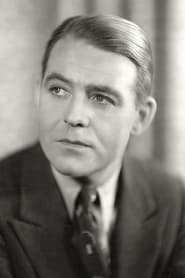
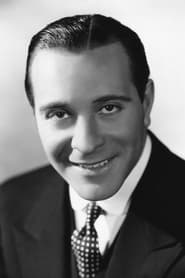
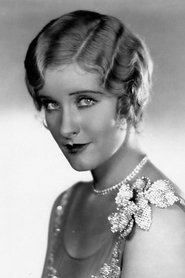
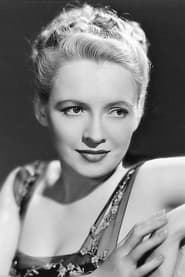
Mary Linden is the secretary who is the unheralded power behind successful executive James Duneen. He takes her for granted until rival Wales tries to take her away from him.
Cast & crew
More Drama films
View all →






More from Melville W. Brown
View all →
More about this film
About the production
Release dateFebruary 7, 1931
Box officeUnknown
ProductionRKO Radio Pictures
Filmed inRKO Studios, Hollywood, California
Behind Office Doors was produced during the pre-Code era, allowing for more mature themes and situations. The film was shot quickly on a modest budget, typical of RKO's productions during this period. The office sets were designed to reflect the modern business environment of the early 1930s, with Art Deco influences that were popular at the time.
Themes
Women in the workplaceUnrequited loveProfessional recognitionGender dynamics in businessOffice politics
Themes & topics
SecretaryOffice romanceBusiness executiveWorkplace dramaLove trianglePre-Code filmGreat Depression eraProfessional womanCorporate worldRomantic drama
Historical background
Behind Office Doors appeared in 1931, when the studio era between the Great Depression and World War II shaped how movies were financed, distributed, and discussed. Audiences of the day encountered the work amid shifting tastes in acting, pacing, and spectacle. Its focus on mary linden is the secretary who is the unheralded power behind successful executive james duneen mirrors themes circulating in popular culture of that moment.
Why this film matters
Behind Office Doors (1931) belongs to the wider archive of world cinema, documenting mary linden is the secretary who is the. Archivists and historians value such titles for what they reveal about craft, genre, and audience expectations. Restorations and festival screenings keep the work visible to viewers far beyond its first run.
Making of
Behind Office Doors was filmed during a transitional period in Hollywood when the industry was fully embracing sound technology. The production faced challenges typical of early talkies, including the need for stationary cameras and microphones that limited movement. Mary Astor, who had a pleasant speaking voice, adapted well to the new medium. Director Melville W. Brown, more comfortable with comedies, had to adjust his directing style for the dramatic material. The film's office setting required careful sound design to create an authentic business atmosphere while maintaining clear dialogue. The chemistry between Astor and Ames was developed through rehearsals, as both actors were accustomed to the faster-paced silent film era. The production team worked closely with RKO's art department to create realistic office interiors that reflected the modern corporate environment of the time.
What critics said
Press coverage from 1931 is fragmentary for many titles of this vintage; surviving notices for Behind Office Doors tend to stress novelty, star power, or topical appeal. Later writing places the picture within its national and generic context, weighing both period conventions and moments that still land for modern viewers. Streaming and disc releases have revived discussion among classic-film audiences.
Did you know?
- This film was released during the pre-Code era, before the enforcement of the Hays Code in 1934, which allowed for more mature themes including workplace romance and gender politics.
- Mary Astor was one of the few actresses who successfully transitioned from silent films to talkies, and this film showcased her ability to carry a dramatic role with dialogue.
- Robert Ames died tragically young at age 42 from alcoholism just three years after this film was released, making Behind Office Doors one of his final major roles.
- The film's portrayal of a capable woman in a business environment was relatively progressive for its time, reflecting the changing roles of women during the Great Depression era.
- Ricardo Cortez, who played the romantic rival, had originally been a silent film star and had to adapt his acting style for talkies.
- The office setting and business world depicted in the film was influenced by the real corporate culture of New York City during the early 1930s.
- Director Melville W. Brown was primarily known for comedies, making this dramatic film somewhat of a departure from his usual work.
- The film's title was sometimes marketed as 'Behind Office Doors' with quotation marks in promotional materials to emphasize its behind-the-scenes nature.
- This was one of the early films to explore the concept of the 'office wife' - a secretary who was indispensable to her boss both professionally and personally.
- The film was released just months after the stock market crash of 1929, and its business setting resonated with audiences concerned about economic stability.
Visual style
The cinematography of Behind Office Doors was handled by Jack MacKenzie, who employed techniques typical of early sound films while creating a visual style appropriate for the office setting. The film uses medium shots and close-ups effectively to capture the intimate dynamics between characters in the confined office space. The lighting design emphasizes the contrast between the professional brightness of the daytime office scenes and the more romantic, shadowy evening sequences. MacKenzie's camera work, while somewhat constrained by early sound recording equipment, manages to convey the hierarchical structure of the corporate environment through strategic positioning and framing. The office sets are photographed to appear both impressive and realistic, reflecting the power dynamics of the business world. The film's visual style successfully transitions between the professional world of the office and the more personal moments between characters.
Innovations
Behind Office Doors utilized the sound technology available in 1931 to create a realistic office environment with ambient sounds and clear dialogue. The film's production team employed early microphone techniques that allowed for more natural-sounding conversations while maintaining the necessary audio quality. The set design incorporated sound-absorbing materials to reduce echo and improve audio clarity, a significant concern in early sound films. The film's editing successfully balanced dialogue scenes with visual storytelling, demonstrating the growing sophistication of film language in the sound era. The lighting techniques used were adapted to work with the sensitive film stocks required for sound recording, creating a visual style that complemented both the dramatic and romantic elements of the story. The technical crew managed to create believable office environments while working within the constraints of early sound recording equipment.
Music
The musical score for Behind Office Doors was composed by Max Steiner, who was one of RKO's prominent composers during this period. Steiner's score complemented the film's dramatic and romantic elements without overwhelming the dialogue, which was crucial in early sound films. The music helped establish the professional atmosphere of the office scenes with subtle, business-like themes, while providing more romantic melodies for the personal moments between characters. As was common in early talkies, the film also included some diegetic music - music that exists within the world of the story - particularly in scenes set in restaurants or social venues. The sound design was carefully managed to create an authentic office environment with typewriters, telephones, and other office sounds that added realism to the production. The soundtrack represents the sophisticated approach to film music that was developing during this transitional period in Hollywood.
Famous quotes
Mary Linden: 'I've been running this office for five years, and you've been taking the credit for it.'
James Duneen: 'Mary, you're more than a secretary to me... you're the brains of this operation.'
Ronald Wales: 'A woman with your talents shouldn't be hidden behind a desk. She should be appreciated.'
Mary Linden: 'I'm not asking for the moon, Mr. Duneen. Just a little recognition would be nice.'
James Duneen: 'I never realized... I never saw what was right in front of me all along.'
Memorable scenes
- The climactic scene where Mary finally confronts James about taking her for granted, leading to his emotional realization of her true importance to both his professional success and personal happiness.
- The tense boardroom meeting where Mary subtly guides James through a crucial business deal, demonstrating her intelligence and expertise while remaining in the background.
- The romantic dinner scene where Ronald Wales attempts to woo Mary away from James, forcing her to evaluate her feelings and professional loyalty.
What audiences thought
Contemporary audiences responded positively to Behind Office Doors, particularly to Mary Astor's relatable portrayal of an overlooked but capable professional woman. The film resonated with Depression-era audiences who were concerned about job security and workplace advancement. Many viewers, especially women, appreciated seeing a female character who was competent and valued for her professional abilities rather than just her beauty. The romantic elements of the story also appealed to audiences looking for escapist entertainment during difficult economic times. The film performed moderately well at the box office, though it was not a major blockbuster. In retrospect, audiences and film enthusiasts have come to appreciate the film as an early example of workplace-centered drama and as a showcase for Mary Astor's talents during the transition to sound cinema.
Film connections
Influenced by
- The influence of stage plays about office life
- The growing genre of workplace films in early sound cinema
- The tradition of romantic comedies about mistaken identity and unrecognized worth
This film influenced
- Later films about capable secretaries and office romances
- The 'career woman' films of the 1930s and 1940s
- Workplace comedies and dramas that featured strong female characters
Film restoration
Behind Office Doors is believed to be preserved in the film archives, though it is not widely available on modern home video formats. The film exists in the collection of major film archives, including the Library of Congress, and has been preserved on safety film stock. However, like many films from this era, it has not received a full digital restoration and may show signs of age in available copies. The film occasionally appears in retrospective screenings of pre-Code cinema or Mary Astor film festivals.
Where to watch
- Rare television broadcasts on classic movie channels
- Film archive screenings and retrospectives
- Potential availability through specialty film distributors
- Possible inclusion in Mary Astor or pre-Code film collections