Melville W. Brown
Director
Born: March 10, 1887 in Portland, Oregon, United States Died: October 31, 1938 Active: 1928-1931 Birth Name: Melville William Brown
Films
4 films
About Melville W. Brown
American film director and screenwriter who worked during the pivotal transition period from silent films to talkies in the late 1920s and early 1930s. Beginning his career in Hollywood during the silent era, Brown quickly established himself as a competent director capable of handling both dramatic and comedic material. His most notable work came during his brief but productive period at RKO Radio Pictures, where he directed several significant early sound films. Brown's career, though relatively short, coincided with transformative periods in cinema history, and he successfully navigated the technical and artistic challenges of early sound production. His film 'Check and Double Check' (1930) was particularly significant as it was the first film to feature the popular comedy duo Amos 'n' Andy, making it an important cultural artifact of its time. After directing his final film in 1931, Brown's directorial career came to an abrupt end, though he continued to work in other capacities within the film industry. His work remains of interest to film historians studying the transition from silent to sound cinema and the representation of African American performers in early Hollywood.
The Craft
Behind the Camera
Brown's directing style was characterized by its efficiency and adaptability during the challenging transition from silent to sound cinema. He demonstrated particular skill in handling dialogue scenes and was adept at working with actors adjusting to the new demands of sound recording. His approach was straightforward and commercially minded, focusing on clear storytelling that would appeal to mainstream audiences of the era. Brown showed versatility across genres, from comedy to drama, though his work generally adhered to conventional Hollywood norms of the period.
Milestones
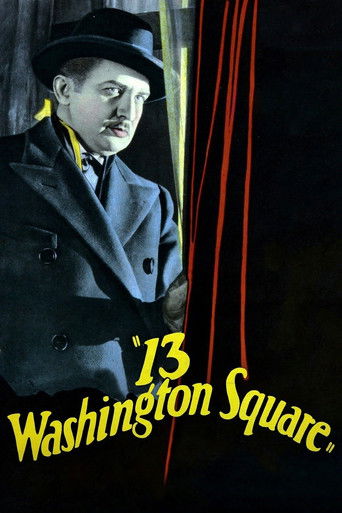
- Directed '13 Washington Square' (1928)
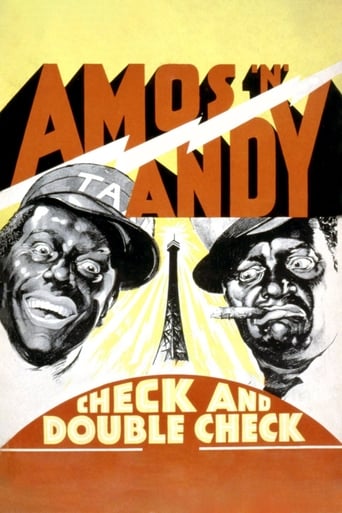
- Directed the first Amos 'n' Andy film 'Check and Double Check' (1930)
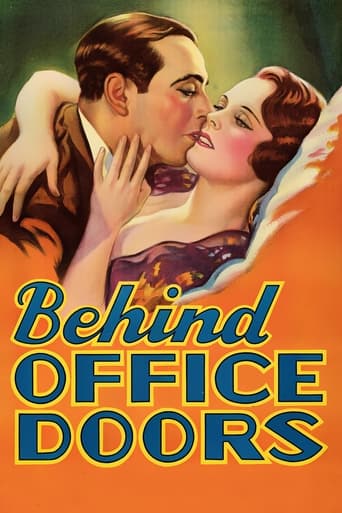
- Directed the pre-Code drama 'Behind Office Doors' (1931)
- Successfully transitioned from silent to sound films
- Worked primarily with RKO Radio Pictures during their early years
Best Known For
Must-See Films
Working Relationships
Worked Often With
Studios
Why They Matter
Impact on Culture
Melville W. Brown's most significant cultural impact came through his direction of 'Check and Double Check' (1930), the first film adaptation of the wildly popular Amos 'n' Andy radio show. This film represented an important moment in entertainment history, marking the transition of radio stars to the big screen and reflecting the complex racial dynamics of early 20th-century American media. While controversial by modern standards due to its use of white actors in blackface for the lead roles, the film was a commercial success and demonstrated the growing power of radio as a source of film content. Brown's work during the silent-to-sound transition period also serves as valuable documentation of the technical and artistic challenges faced by directors during this revolutionary era in cinema history.
Lasting Legacy
Though not widely remembered today, Melville W. Brown's legacy lies in his contribution to early sound cinema and his documentation of the entertainment industry's evolution during the late 1920s and early 1930s. His films serve as important artifacts for understanding the technical and artistic development of early sound pictures, particularly in terms of how directors adapted their techniques for the new medium. The controversy surrounding 'Check and Double Check' has made his work a subject of academic study regarding race representation in early Hollywood. Brown's career trajectory also exemplifies the precarious nature of directing careers during the studio system's formative years, where even successful directors could quickly find themselves out of work due to changing industry dynamics or personal circumstances.
Who They Inspired
Brown's direct influence on other filmmakers appears limited due to his relatively short career and early death. However, his work in adapting radio properties for film helped establish patterns that would become increasingly common as radio's influence grew in the 1930s and 1940s. His experience navigating the technical challenges of early sound production contributed to the collective knowledge that helped shape the development of sound cinema techniques. The commercial success of his films, particularly 'Check and Double Check,' demonstrated to studios the viability of adapting popular radio shows for the screen, influencing subsequent production decisions throughout the 1930s.
Off Screen
Melville W. Brown married actress and screenwriter Evelyn Selbie in 1917, though the marriage ended in divorce. He later married actress Alice Day, sister of the more famous Marceline Day, in 1925. Brown struggled with health issues in his later years, which may have contributed to his early retirement from directing. He passed away relatively young at the age of 51 in 1938, just seven years after his final directorial effort. His personal life reflected the transient nature of early Hollywood relationships and the pressures of the film industry during its formative years.
Education
Limited information is available about Brown's formal education, though he likely received some training in dramatic arts or journalism before entering the film industry, as was common for early film directors.
Family
- Evelyn Selbie (1917-1924)
- Alice Day (1925-1938)
Did You Know?
- Brown's final film 'Behind Office Doors' (1931) was a pre-Code drama that explored themes of workplace romance and gender dynamics that would soon be restricted by the Hays Code
- Despite directing several successful films, Brown's directorial career lasted only four years from 1928 to 1931
- His film 'Check and Double Check' was so popular that it helped establish RKO Radio Pictures as a major studio
- Brown was married to two actresses during his lifetime, reflecting the interconnected nature of early Hollywood relationships
- He died at age 51, just seven years after directing his last film
- His film '13 Washington Square' was based on a popular stage play and demonstrated his ability to adapt theatrical works for the screen
- Brown worked during the exact period when Hollywood was transitioning from silent films to talkies, making him part of a generation of directors who had to master both mediums
- The controversy surrounding 'Check and Double Check' has made it a subject of ongoing academic discussion about race representation in early cinema
In Their Own Words
No widely documented quotes from Melville W. Brown have survived in historical records, which was common for directors of his era who worked primarily behind the camera
Frequently Asked Questions
Who was Melville W. Brown?
American on YTB.my. He directed several notable films including 'Check and Double Check' (1930), the first film featuring the popular Amos 'n' Andy characters, and worked primarily with RKO Radio Pictures during their early years.
What films is Melville W. Brown best known for?
Titles linked here include Check and Double Check (1930), 13 Washington Square (1928).
When was Melville W. Brown born and when did he die?
Born March 10, 1887; died October 31, 1938.
What awards did Melville W. Brown win?
There are no documented awards or nominations for Melville W. Brown's work as a director. During his era, many directors who worked in commercial cinema did not receive the formal recognition that became more common in later decades of Hollywood history.
What was Melville W. Brown's directing style?
Brown's directing style was characterized by its efficiency and adaptability during the challenging transition to sound cinema. He demonstrated skill in handling dialogue scenes and worked effectively across genres from comedy to drama. His approach was commercially focused, emphasizing clear storytelling that would appeal to mainstream audiences of the early sound era.